Amp Sub Kit

Amp Sub Kit is the essential package that powers a car’s low‑frequency soundstage. By pairing a subwoofer with an integrated amplifier, you unlock deeper bass, higher volume, and cleaner audio. This guide walks you through the types, wiring, installation tricks, and maintenance so you can enjoy a showroom‑level sound in your daily drive.
Key Takeaways
- What an Amp Sub Kit Is: A bundled set that includes a subwoofer, amplifier, and wiring, ready for quick installation.
- Choosing the Right Power: Match the amplifier’s RMS power to your subwoofer’s rating for safe, loud performance.
- Wire Gauge Matters: Use the correct wire gauge to prevent voltage drop and heat buildup.
- Installation Tips: Keep cables neat, secure, and shielded to avoid interference and damage.
- Maintenance Checklist: Clean connections, check for corrosion, and test regularly to keep the kit running smoothly.
[FEATURED_IMAGE_PLACEHOLDER]
📑 Table of Contents
- Introduction: Why an Amp Sub Kit Is a Game Changer
- 1. Understanding the Basics of an Amp Sub Kit
- 2. Selecting the Right Power for Your Subwoofer
- 3. Wiring Essentials: Choosing the Right Gauge
- 4. Step‑by‑Step Installation Guide
- 5. Troubleshooting Common Issues
- 6. Maintenance Tips to Keep Your Amp Sub Kit Performing
- Conclusion: Elevate Your Drive with a Professional‑Grade Bass System
Introduction: Why an Amp Sub Kit Is a Game Changer
Picture this: you’re cruising down the highway, the sun is setting, and your favorite playlist is blasting. The music doesn’t just fill the cabin; it vibrates the floorboards and sends a deep, resonant boom that feels like a live concert. That’s the power of a properly installed amp sub kit. Without a dedicated amplifier, a subwoofer struggles to deliver clean, powerful bass. The result? Distortion, wasted power, and a less-than-immersive audio experience.
In this guide, we’ll demystify amp sub kit setup. From selecting the right components to wiring and maintenance, you’ll learn how to turn your car’s sound system into a bass‑heavy powerhouse without breaking the bank.
1. Understanding the Basics of an Amp Sub Kit
What’s Inside the Kit?
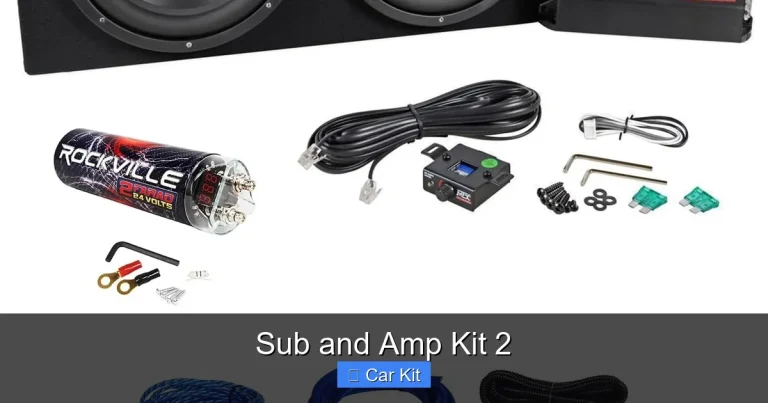
Most amp sub kit packages come with:

Visual guide about Amp Sub Kit
Image source: img.freepik.com
- A high‑efficiency subwoofer (usually 1‑2 inches to 12 inches in diameter)
- A dedicated amplifier (4‑pole or 8‑pole, depending on power needs)
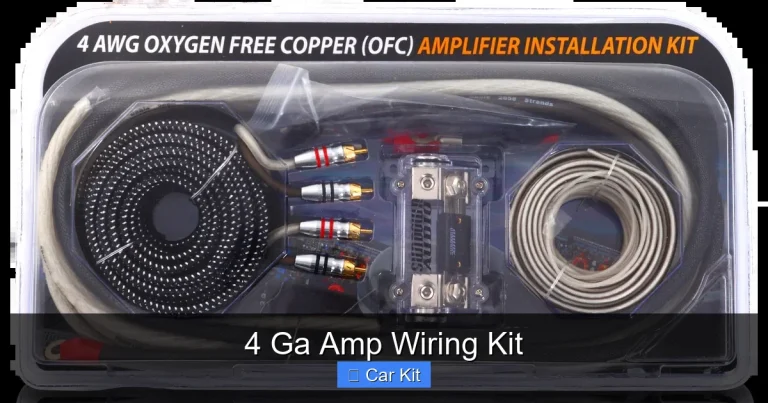
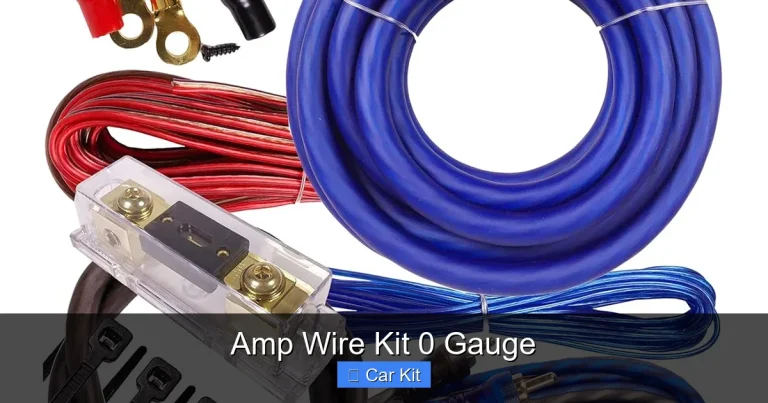
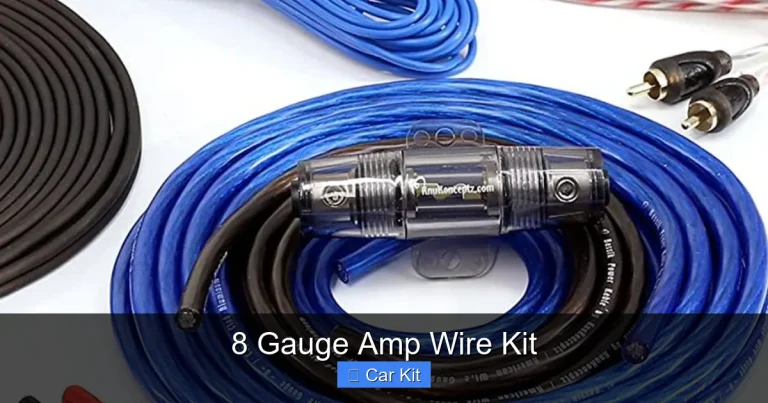
- Heavy‑gauge power and ground wires
- Speaker and power cables, often pre‑terminated
- Mounting hardware and installation instructions
Some kits also include an RCA cable and a remote turn‑on switch for convenience.
Why Use an Amp Sub Kit?
1. Optimized Performance: The amplifier is tuned to the subwoofer’s impedance, delivering clean, distortion‑free bass.
2. Easy Installation: Pre‑wired kits cut down on guesswork and reduce the risk of wiring errors.
3. Space Efficiency: Compact designs keep the kit out of the way while delivering maximum power.
2. Selecting the Right Power for Your Subwoofer
RMS vs. Peak Power
When shopping, pay attention to the amplifier’s RMS rating. RMS (root mean square) is the continuous power the amp can deliver, while peak power is a short burst. A subwoofer rated for 200 W RMS should pair with a 200 W RMS amp for a balanced setup.
Matching Impedance
Subwoofers typically come in 4 Ω, 2 Ω, or 1 Ω configurations. Your amp must support the same impedance; otherwise, you risk overheating or damage. Check the amp’s specifications or look for an amp sub kit that lists compatible subwoofer models.
Power Supply Considerations
Installing an amp demands a robust power source. If your car’s factory alternator can’t handle the extra load, consider an aftermarket alternator upgrade or a separate battery.
3. Wiring Essentials: Choosing the Right Gauge
Wire Gauge Basics
Wire gauge is measured in American Wire Gauge (AWG). Lower numbers mean thicker wire:
- 4 AWG – Ideal for 4×300 W amps or higher.
- 8 AWG – Works for most 4×200 W amps.
- 10 AWG – Suitable for 4×100 W amps.
Calculating Wire Length and Resistance
Longer runs increase voltage drop. Use an online amp calculator to determine the optimal gauge for your specific wiring distance. Remember: a 10 AWG wire is 10 % thicker than 12 AWG.
Grounding Is Key
Secure ground connections to prevent hum. Attach the ground wire to a clean, unpainted metal spot near the battery or chassis.
4. Step‑by‑Step Installation Guide
Preparation
1. Disconnect the battery.
2. Clear the installation area (usually under the dash or in the trunk).
Mounting the Subwoofer
Use the mounting brackets supplied. Center the subwoofer for balanced bass distribution. Tighten all screws firmly but avoid overtightening, which can crack the enclosure.
Connecting the Amplifier
1. Run the power cable from the amp to the battery (+ terminal).
2. Connect the ground cable from the amp to the chassis.
3. Wire the speaker cable from the amp to the subwoofer. Most kits use a 4‑pole connection.
Final Checks
Reconnect the battery. Turn on the radio, set the amp’s gain to low, and play a track. Gradually increase volume to test for distortion. Adjust the amp’s bass boost and crossover settings as needed.
5. Troubleshooting Common Issues
Hum or Buzz
- Check ground connections.
- Ensure cables are shielded and not crossing power wires.
- Verify that the amp’s gain isn’t set too high.
Distortion at Low Volumes
Likely cause: amp gain set too high or subwoofer overdriven. Reduce gain or add a low‑pass filter.
Heat Build‑Up
Check if the amp is in a vented enclosure. Use a fan or move the amp to a cooler spot if temperatures rise above 80 °C.
6. Maintenance Tips to Keep Your Amp Sub Kit Performing
- Clean Connectors: Wipe terminals with a soft cloth to remove corrosion.
- Check Wire Integrity: Inspect for frays or cuts every few months.
- Test Regularly: Play a variety of tracks to ensure consistent performance.
- Protect from Moisture: Use gaskets and sealants where cables exit the vehicle.
Conclusion: Elevate Your Drive with a Professional‑Grade Bass System
Investing in a quality amp sub kit transforms your car’s audio landscape. With the right components, proper wiring, and attentive maintenance, you’ll enjoy powerful, clean bass that turns every trip into an audio experience. Whether you’re a casual listener or a gearhead, the steps outlined above will guide you to a sound system that’s both reliable and impressive.
Frequently Asked Questions
What is the difference between a subwoofer and an amp sub kit?
A subwoofer is the speaker component that reproduces low frequencies, while an amp sub kit includes the subwoofer, a dedicated amplifier, and wiring—all ready for installation.
Can I install an amp sub kit in any car?
Most cars can accommodate an amp sub kit, but you need sufficient power capacity. Check your vehicle’s alternator rating and consider an upgrade if needed.
Do I need a separate battery for the amp?
Not always. If your car’s alternator can supply enough current, a separate battery isn’t necessary. However, for high‑power setups, a secondary battery can improve performance.
How do I choose the right wire gauge?
Use the amp’s power rating and the length of the run. A 4 AWG wire is suitable for 4×300 W amps, while 8 AWG works for 4×200 W amps.
What maintenance does an amp sub kit require?
Regularly clean the terminals, inspect wires for damage, and test the system with different audio levels to ensure consistent performance.
Can I upgrade my existing subwoofer with a new amp?
Yes, but ensure the new amplifier matches your subwoofer’s impedance and power rating for optimal performance.
—
[https://iowncars.com/sub-and-amp-wire-kit/](https://iowncars.com/sub-and-amp-wire-kit/)
[https://iowncars.com/amp-wiring-kit-ofc/](https://iowncars.com/amp-wiring-kit-ofc/)
[https://iowncars.com/subwoofer-and-amp-kit/](https://iowncars.com/subwoofer-and-amp-kit/)