A Car Traveling with a Velocity of 80 Km Hr
A car traveling with a velocity of 80 km/hr is a common highway speed that balances efficiency and safety for most drivers. Understanding how this speed affects fuel consumption, vehicle handling, and braking distance helps you drive smarter and save money.
When you think about a car traveling with a velocity of 80 km/hr, you are looking at a speed that feels natural on many roads. This speed is often the sweet spot between getting somewhere quickly and keeping fuel costs low. In this article we will break down what 80 km/hr really means for your car, your wallet, and your safety. We will also share practical tips that any driver can use to make the most of this common cruising speed.
Key Takeaways
- Speed Basics: 80 km/hr equals about 50 mph, a typical city‑to‑suburban cruising speed.
- Fuel Impact: Maintaining a steady 80 km/hr usually offers the best fuel economy for most cars.
- Physics Simplified: At this speed, kinetic energy is moderate, making braking distances predictable.
- Safety Considerations: Proper lane discipline and following distance become crucial at 80 km/hr.
- Vehicle Preparation: Tyres, brakes, and alignment should be checked to handle 80 km/hr confidently.
- Real‑World Tips: Use cruise control, avoid rapid acceleration, and stay aware of traffic flow.
📑 Table of Contents
Understanding Speed: 80 km/hr Explained
What Does 80 km/hr Feel Like?
Imagine sitting behind the wheel and gradually pressing the accelerator until the speedometer hovers around 80 km/hr. At this point you notice the engine humming smoothly, the wind rushing past at a manageable level, and the ride feeling steady. This speed is often used on suburban highways, country roads, and even some city streets where traffic flow permits.
In many countries, 80 km/hr is the posted speed limit for certain expressways. Drivers who understand the physics behind this speed can anticipate how their vehicle will respond. The car’s aerodynamic drag begins to increase, but not dramatically. Tire wear is still moderate, and most modern transmissions operate efficiently in this range.
Common Scenarios for 80 km/hr
You might be heading to a meeting, traveling to a weekend getaway, or simply cruising after work. In each case, a car traveling with a velocity of 80 km/hr lets you maintain a comfortable rhythm without feeling rushed. It also gives you enough time to react to changes in traffic, road conditions, or unexpected obstacles.
Whether you drive a compact sedan, a midsize SUV, or a light truck, 80 km/hr remains a versatile speed. It is fast enough to cover distance quickly, yet slow enough to keep fuel consumption in check. This balance makes it an excellent reference point for learning safe driving habits.
Physics Behind Constant Velocity
Force and Motion at 80 km/hr
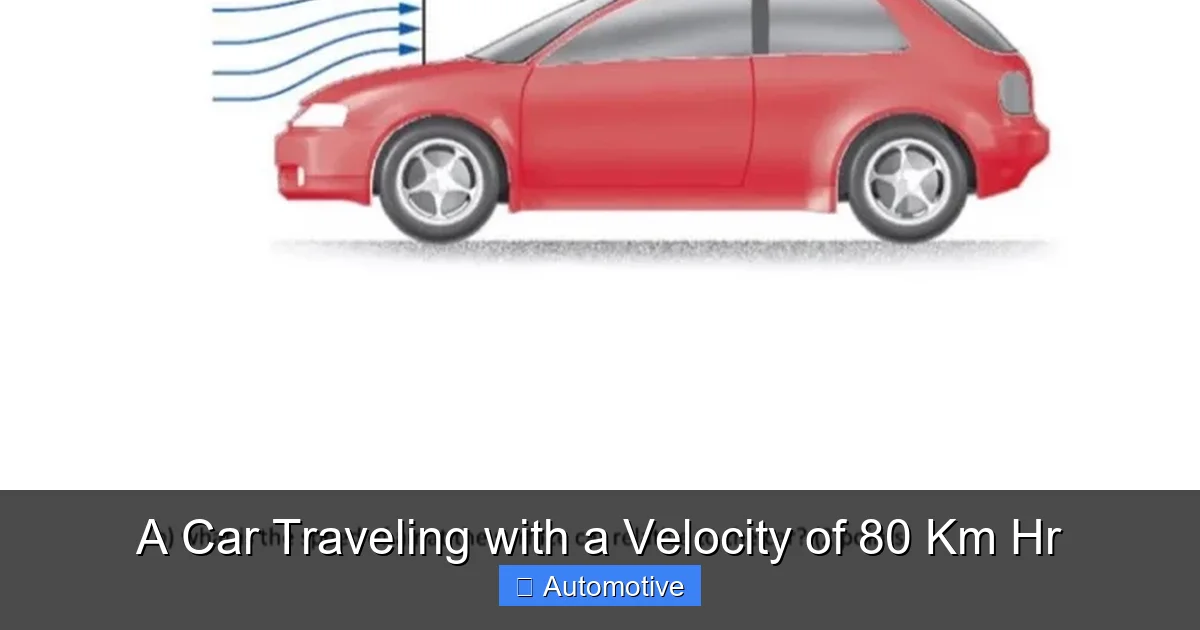
When a car travels at a constant 80 km/hr, the net force acting on it is close to zero. This means the engine’s forward thrust equals the opposing forces of drag and rolling resistance. Understanding this balance helps you see why smooth acceleration and steady throttle are key to efficiency.
Visual guide about A Car Traveling with a Velocity of 80 Km Hr
Image source: storage.googleapis.com
The kinetic energy of a car at 80 km/hr can be calculated with the formula ½ mv². While the exact number depends on the vehicle’s mass, the energy is moderate compared to higher speeds. This moderate energy level means braking distances are predictable, but still long enough to demand attention.
Energy Losses You Can Control
At 80 km/hr, aerodynamic drag becomes noticeable. Open windows increase drag, while closing them and using air‑conditioning can reduce it. Properly inflated tyres reduce rolling resistance, helping the engine work less. Simple actions like removing roof racks when not needed also cut down on drag.
Because the forces are balanced, small driver inputs can shift the equilibrium. A gentle brake tap, a slight steering correction, or a brief coast in neutral can all affect fuel use. Drivers who master these micro‑adjustments often see measurable improvements in mileage.
Impact on Fuel Efficiency
Why 80 km/hr Often Gives the Best MPG
Most gasoline engines have a sweet spot for fuel consumption. For many modern vehicles, that sweet spot sits between 70 and 90 km/hr. A car traveling with a velocity of 80 km/hr usually sits right in the middle of that range, delivering optimal miles per gallon (MPG) or litres per 100 km.
Visual guide about A Car Traveling with a Velocity of 80 Km Hr
Image source: classroom-images.cdn.askfilo.com
When you drive faster, the engine works harder to overcome increased drag. When you drive slower, the engine may operate under higher load due to gearing. At 80 km/hr, the transmission can stay in a comfortable gear, allowing the engine to run at low RPM while still providing enough power for smooth acceleration.
Real‑World Fuel Numbers
Suppose you drive a typical midsize sedan under normal conditions. At 80 km/hr, you might see 6.5 L/100 km (about 36 MPG). If you speed up to 100 km/hr, consumption can jump to 7.5 L/100 km (about 31 MPG). Conversely, slowing to 60 km/hr may increase consumption slightly to 6.8 L/100 km (about 34 MPG). The sweet spot is indeed around 80 km/hr.
For drivers interested in the practical side, checking the fuel type that best suits their vehicle can reinforce these gains. For example, learning what kind of gas does a toyota rav4 take helps you choose the right octane level, which can improve efficiency at 80 km/hr.
Tips to Maximize Fuel Economy at 80 km/hr
- Use cruise control on long straight roads. It keeps throttle steady and reduces unnecessary acceleration.
- Keep a safe following distance. This lets you coast slightly without braking.
- Avoid carrying unnecessary weight. Extra cargo adds to rolling resistance.
- Maintain proper tire pressure. Under‑inflated tires increase drag.
- Plan your route to minimize stop‑and‑go traffic. Steady speeds improve MPG.
Safety Considerations at 80 km/hr
Perception and Reaction Times
At 80 km/hr, the distance traveled in the time it takes to react to a hazard can be significant. The average driver needs about 1.5 seconds to perceive a danger and another 0.5 seconds to initiate braking. In that 2‑second window, a car traveling with a velocity of 80 km/hr covers roughly 44 meters (about 144 feet). This underlines why staying alert is vital.
Visual guide about A Car Traveling with a Velocity of 80 Km Hr
Image source: media.cheggcdn.com
Keeping a proper following distance helps you avoid rear‑ending the vehicle ahead. A common rule is to maintain at least a 3‑second gap. In poor weather or heavy traffic, increase that gap to 4‑5 seconds.
Braking Distance Basics
Braking distance at 80 km/hr is relatively short compared to higher speeds, but still long enough to cause accidents if you are unprepared. Assuming good tire condition and dry pavement, a typical car may need about 40‑45 meters (130‑150 feet) to come to a stop after the brakes are applied.
Factors that increase braking distance include wet roads, worn brake pads, and heavy loads. Drivers who regularly check their brake system and replace pads as needed will keep stopping distances close to the ideal.
Vehicle Preparation for 80 km/hr Driving
Ensuring your car is ready for consistent highway speeds is a simple but effective safety practice. Here are key items to verify:
- Tyre tread depth and pressure – uneven wear can cause vibrations at 80 km/hr.
- Brake pads and rotors – smooth, responsive braking depends on these parts.
- Alignment and suspension – proper alignment prevents drifting and ensures stable handling.
- Headlights and taillights – keep them clean for maximum visibility.
- Windshield wipers – essential for rain, which can appear unexpectedly.
When you drive a car traveling with a velocity of 80 km/hr, well‑maintained components give you confidence and reduce the chance of unexpected failures.
Tips for Maintaining Speed and Control
Use Cruise Control Wisely
Cruise control is a valuable tool when you want to keep a steady 80 km/hr over long stretches. It removes the tendency to unintentionally speed up or slow down. However, always stay attentive. Cruise control does not replace the need for situational awareness, especially in variable traffic.
Steering Smoothness
Sharp steering inputs can destabilize a car at any speed, but especially at moderate highway speeds. Gentle steering helps maintain tire contact patches and keeps the vehicle stable. This is particularly important when you encounter wind gusts or uneven road surfaces.
Avoid Rapid Acceleration
When you need to speed up, do it gradually. A sudden burst of acceleration can upset the balance between engine power and traction, leading to wheel spin. Controlled acceleration also reduces fuel consumption and wear on tires.
For drivers seeking a vehicle that handles well at highway speeds, reading reviews like is toyota ae86 a good car can provide insight into how different models behave at 80 km/hr. The AE86 is known for its balanced chassis and responsive steering, making it a good reference for drivers who want a lively yet manageable car at this speed.
Anticipate Traffic Flow
Look ahead as far as you can see. Spotting brake lights early gives you time to ease off the throttle or gently apply the brakes. This proactive approach reduces fuel waste and keeps you in a safe following distance.
Real‑World Scenarios and Case Studies
Daily Commute Example
Consider a commuter who drives 30 km each way, five days a week. If they maintain a steady 80 km/hr on the highway portion (about 20 km), they can expect fuel consumption around 6.5 L/100 km. By using the tips above, they might shave a few tenths off that number, saving money over the year.
Long‑Distance Road Trip
A family planning a 500‑km road trip can set their cruise control to 80 km/hr for most of the journey. This speed keeps the engine in an efficient range and reduces fatigue from constant speed adjustments. By checking tyre pressure before departure and staying hydrated, they can enjoy a smooth, safe trip.
Urban‑to‑Suburban Transition
Drivers who move from busy city streets to suburban highways often notice the benefit of a moderate speed like 80 km/hr. It allows them to flow with traffic, avoid aggressive driving, and maintain a comfortable travel time without the stress of high‑speed driving.
Conclusion
A car traveling with a velocity of 80 km/hr offers a practical blend of efficiency, safety, and comfort. By understanding the physics, checking vehicle condition, and applying simple driving habits, anyone can make the most of this speed. Whether you are commuting, running errands, or embarking on a road trip, keeping 80 km/hr in mind helps you drive smarter and save money.
Remember to keep your tyres inflated, your brakes serviced, and your eyes on the road ahead. Use cruise control where appropriate, stay aware of traffic flow, and enjoy the steady rhythm that 80 km/hr provides. With these practices, you’ll find that a car traveling at this speed can be both enjoyable and economical.
Frequently Asked Questions
What is the typical fuel consumption for a car traveling at 80 km/hr?
Most modern cars achieve their best fuel economy around 70‑90 km/hr. At 80 km/hr you often see 6‑7 L/100 km (about 30‑36 MPG), though exact numbers vary by vehicle weight and design.
Is 80 km/hr safe on highways?
Yes, 80 km/hr is a common highway speed in many regions. It allows reasonable travel times while keeping braking distances manageable, provided you maintain proper following distance and good visibility.
How does tire pressure affect performance at 80 km/hr?
Correct tire pressure reduces rolling resistance and ensures even tread contact. Under‑inflated tires increase drag and can cause overheating at steady speeds like 80 km/hr.
Should I use cruise control at 80 km/hr?
Cruise control helps maintain a constant speed on long straight roads, improving fuel efficiency. Always stay alert and ready to override it for traffic or road conditions.
Does driving at 80 km/hr wear out my engine faster?
No, when you drive smoothly and keep the engine in its optimal RPM range, 80 km/hr is actually a gentle speed for the engine. Regular maintenance ensures longevity regardless of speed.
Can I improve fuel economy by adjusting my driving style at 80 km/hr?
Yes. Smooth acceleration, gentle braking, and maintaining a steady throttle all help lower fuel consumption. Small habits like removing roof racks and closing windows also make a difference.