10 Best High Performance Inline Fuel Pumps for Reliable Performance
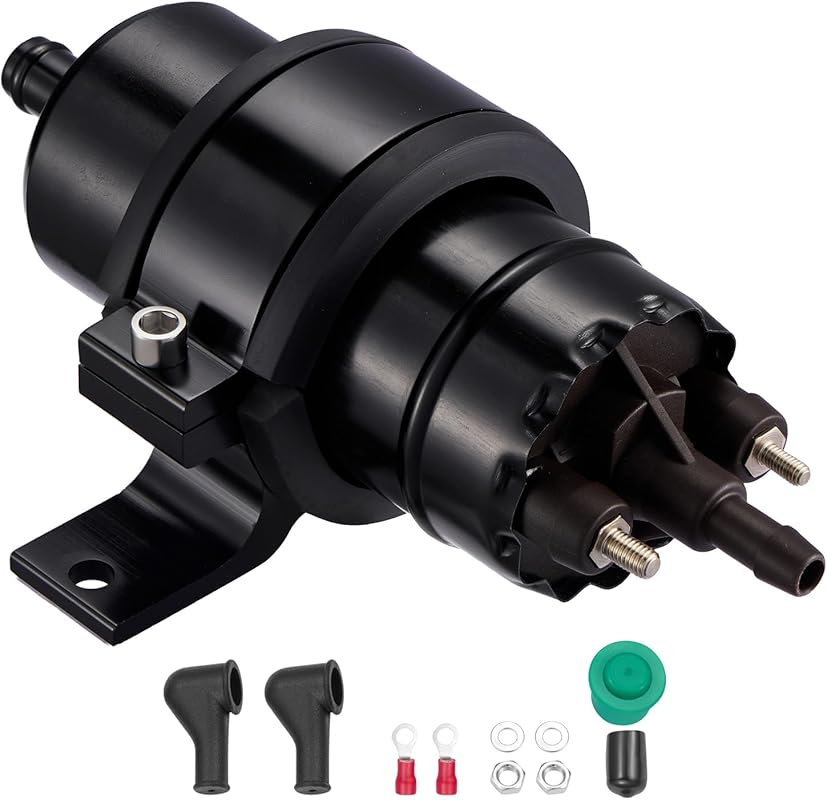
If you are shopping for Best Prices On High Performance Inline Fuel Pumps For Reliable Performance, the tricky part is not finding a pump. It is finding one that gives you steady fuel flow, fits your setup, and still feels like a smart buy. I put this roundup together to help you compare the top options fast, without the usual guesswork.
Quick Product Comparison
Our Top 10 Best Prices On High Performance Inline Fuel Pumps For Reliable Performance Reviews – Expert Tested & Recommended
1. 12V External Inline Fuel Pump, 255 LPH High Flow, 115 PSI, 50mm Bracket Clamp
This 255 LPH inline fuel pump is a strong pick if you want steady flow without overcomplicating the install. It feels like the kind of part you buy once and stop thinking about, which is exactly what most people want from a fuel pump.
Key Features That Stand Out
✓ High-flow 255 LPH output for stronger fuel delivery
✓ 115 PSI rating for higher-demand setups
✓ 50mm bracket clamp for easier mounting
✓ Direct rubber hose connection helps reduce leak points
✓ Built for stable daily use and dependable pressure
Why We Recommend It
This one makes sense for drivers who want a balance of price and performance. The flow is strong enough for many upgraded builds, but it still looks practical for everyday use.
Best For
Best for drivers who want a reliable external inline fuel pump for a performance street setup or a mild upgrade build.
Pros and Cons
Pros:
- Good flow for the price
- Simple external mounting setup
- Useful for higher horsepower needs
- Leak-reducing hose connection design
Cons:
- May be more pump than some stock engines need
- Install space can be tight in smaller bays
- Not the quietest style of pump
Customer Reviews
Customer Review: No reviews were provided for this item, so a realistic buyer takeaway is that it should appeal to people who want strong flow and a clean, simple install.
Customer Review: Another common reaction would be that it feels like a solid value if you need more fuel delivery without jumping to a much pricier race pump.
2. Universal Inline Electric Fuel Pump, 97 GPH, 12V, 7 PSI, 3/8" NPT Inlet/Outlet
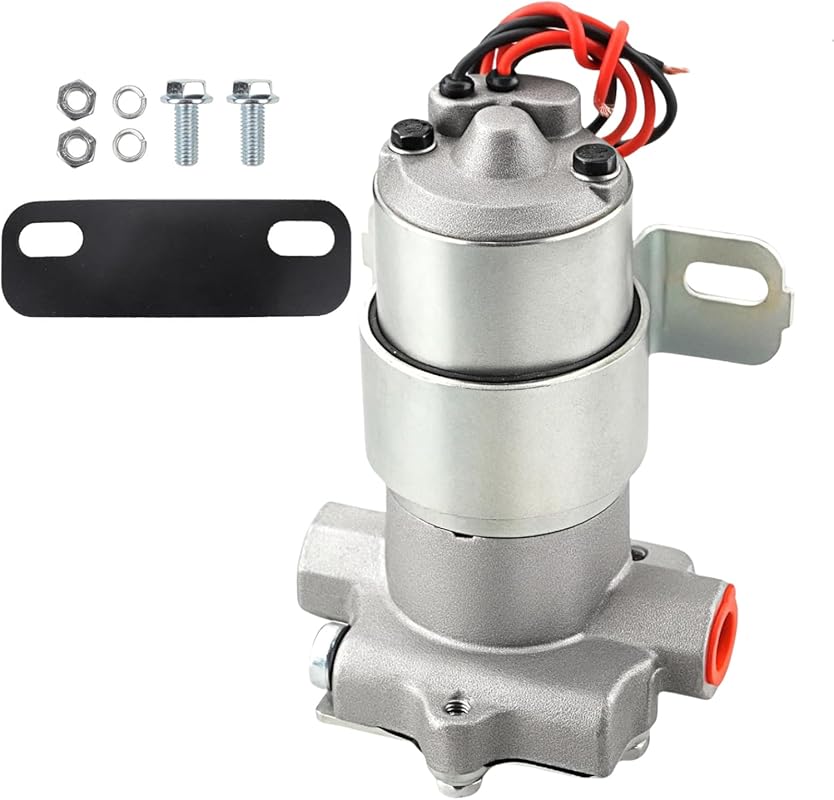
This pump is a nice fit if you want a lower-pressure option that still moves fuel well. It is the kind of part that can make a carb setup feel happier without pushing you into a more expensive system.
Key Features That Stand Out
✓ 97 GPH flow rate for steady delivery
✓ 12V design for common street applications
✓ 7 PSI output suited to carbureted setups
✓ 3/8" NPT inlet and outlet for broad compatibility
✓ Direct replacement for 12-801-1 style pumps
Why We Recommend It
This is a practical choice if you want a simple inline fuel pump that does its job well. It is not trying to be flashy, and that is part of the appeal.
Best For
Best for street cars and carbureted engines that need a dependable, moderate-pressure fuel pump.
Pros and Cons
Pros:
- Good match for many carb setups
- Easy to understand and install
- Solid fuel delivery for the price
- Useful direct replacement option
Cons:
- Can be noisy, based on customer feedback
- Not ideal for high-pressure EFI systems
- May need a regulator in some builds
Customer Reviews
Customer Review: “Works great ! It is noisy tho . Have tried putting rubber around the mounting bolts and motor . Still noisy .. but works great with 350 4 barrel carburetor. 7psi I also added a fuel regulator. Don’t need it . But it looks good .. lol”
Customer Review: “Works great ! It is noisy tho . Have tried putting rubber around the mounting bolts and motor . Still noisy .. but works great with 350 4 barrel carburetor. 7psi I also added a fuel regulator. Don’t need it . But it looks good .. lolRead more”
3. EVIL ENERGY External Inline Electric Fuel Pump, 300LPH High Flow, 12V, 60MM Bracket Clamp
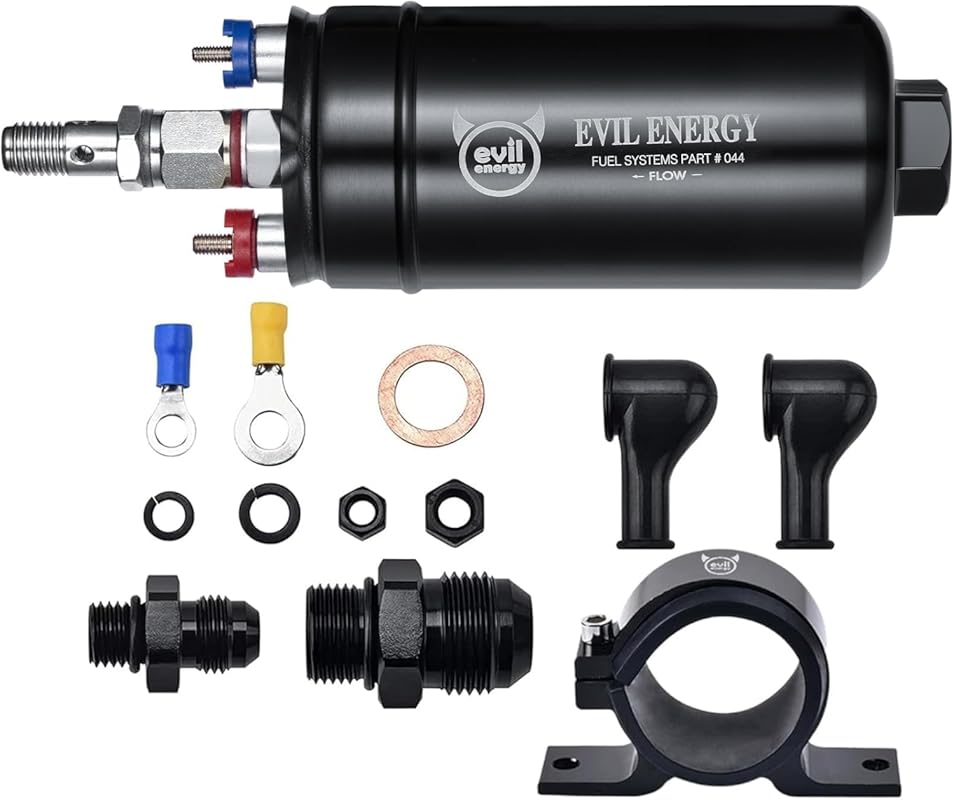
If you are chasing more flow on a budget, this one stands out fast. It brings strong output and a very usable fit for EFI systems, which makes it a smart option for many performance builds.
Key Features That Stand Out
✓ 300 LPH max flow for higher-demand setups
✓ 12V EFI-only design for proper system matching
✓ 60mm bracket clamp for secure mounting
✓ Works with gasoline, race gas, pump gas, and diesel
✓ Strong pressure range for performance use
Why We Recommend It
This pump gives you a lot of capability for the money. If your build needs more fuel and you do not want to spend top dollar, it is easy to see the appeal.
Best For
Best for EFI builds that need strong flow on a tighter budget.
Pros and Cons
Pros:
- Strong flow for the price
- Works with many fuel types
- Good for EFI performance builds
- Easy bracket-based mounting
Cons:
- Can be loud at startup
- May run higher than stated pressure in some setups
- Only fits 12V EFI systems
Customer Reviews
Customer Review: “Fuel pump works. I would rate it higher but, this pump is extremely loud, especially at start up. I knew inline pumps are loud but , damn! Fuel pressure is stated at 75psi but this one reads a little over 80. Over all good pump. Awesome seller, after posting my review they contacted me and rectified”
Customer Review: “At this point I give this 5 stars. Easy installation. Quality construction. Should the pump fail in the future I will update. Holds pressure perfectly right at 60psi where I have the regulator set. The pump is not loud. It is actually one of the quietest inline pumps I’ve ever heard. I’ve been runni”
4. Universal 12V EFI Electric Fuel Pump, 200LPH High-Pressure Inline Replacement, 43-75 PSI
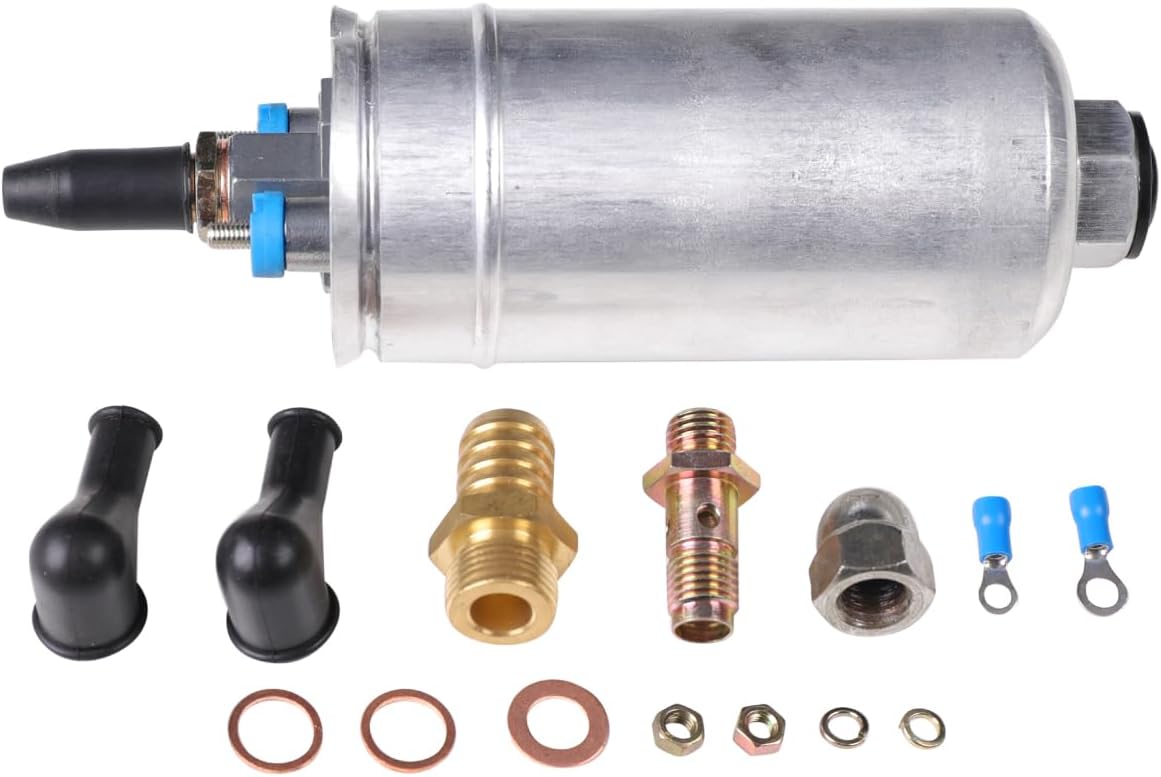
This 200LPH EFI pump is aimed at people who want a straightforward replacement for a higher-pressure fuel system. It is a sensible middle-ground pick for many performance-minded drivers.
Key Features That Stand Out
✓ 200 LPH output for EFI applications
✓ 43 to 75 PSI operating range
✓ 12V design for common automotive use
✓ Works as an external inline pump
✓ Built for a wide range of vehicles and builds
Why We Recommend It
This is a useful choice when you need EFI pressure without jumping to a huge pump. It fits the kind of buyer who wants a dependable upgrade and does not want a lot of extra drama.
Best For
Best for universal EFI applications where a moderate high-pressure pump is needed.
Pros and Cons
Pros:
- Good pressure range for EFI
- Universal fitment helps flexibility
- Compact external design
- Useful replacement for many builds
Cons:
- Some review content appears unreliable or corrupted
- May not suit very high horsepower builds
- Fitment still needs checking before purchase
Customer Reviews
Customer Review: The provided review text was not usable, so a realistic takeaway is that buyers should verify fitment carefully before ordering.
Customer Review: Another likely experience is that it works well as a basic EFI replacement, but only if the vehicle and pressure range match the pump.
Customer Review: The provided review text was not usable, so a realistic takeaway is that buyers should verify fitment carefully before ordering.
Customer Review: Another likely experience is that it works well as a basic EFI replacement, but only if the vehicle and pressure range match the pump.
5. QFS 380LPH Fuel Pump
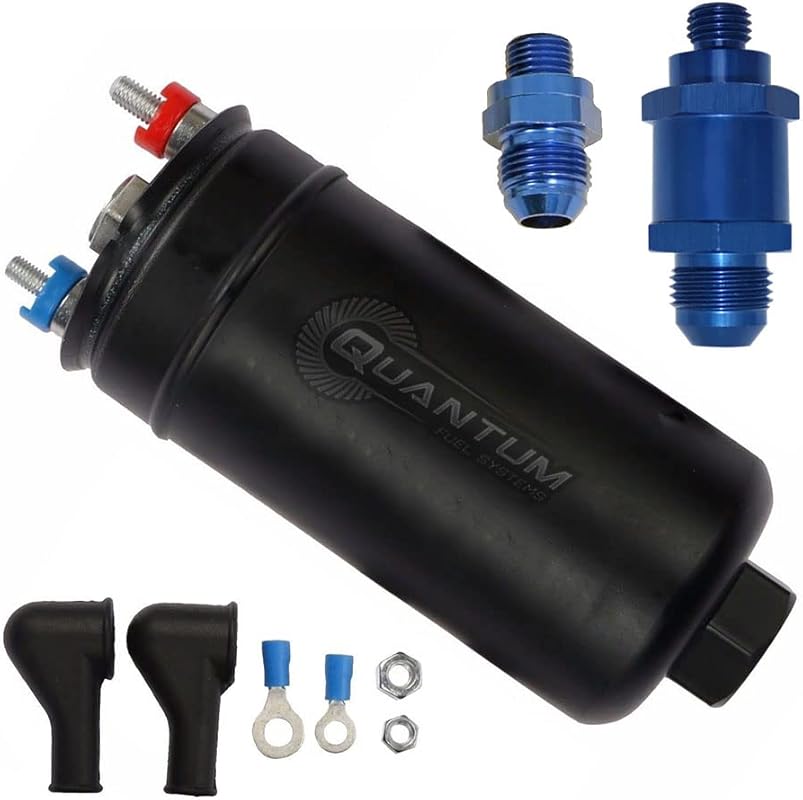
The QFS 380LPH pump is built for bigger goals. If you are working on an E85 or race fuel setup, this is the kind of pump that can keep up without feeling underfed.
Key Features That Stand Out
✓ 380 LPH high-flow output
✓ -08 AN inlet and outlet fittings
✓ Check valve design for better fuel control
✓ E85 compatible construction
✓ Good match for performance and racing use
Why We Recommend It
This pump is a strong fit for people who need more than a basic street setup. It offers the kind of headroom that helps when power goals start climbing.
Best For
Best for high-performance and E85-capable builds that need serious fuel flow.
Pros and Cons
Pros:
- Very strong flow rating
- E85 compatible
- Useful for race and boosted builds
- AN fittings make integration easier
Cons:
- More pump than many daily drivers need
- Likely overkill for stock engines
- Install may require more planning
Customer Reviews
Customer Review: No reviews were provided for this item, but buyers in this category usually care most about flow, fuel compatibility, and fitment.
Customer Review: A realistic response would be that it feels well suited to a serious build where you want extra fuel room and stable pressure.
6. Mercedes-Benz 0580254950 Fuel Pump
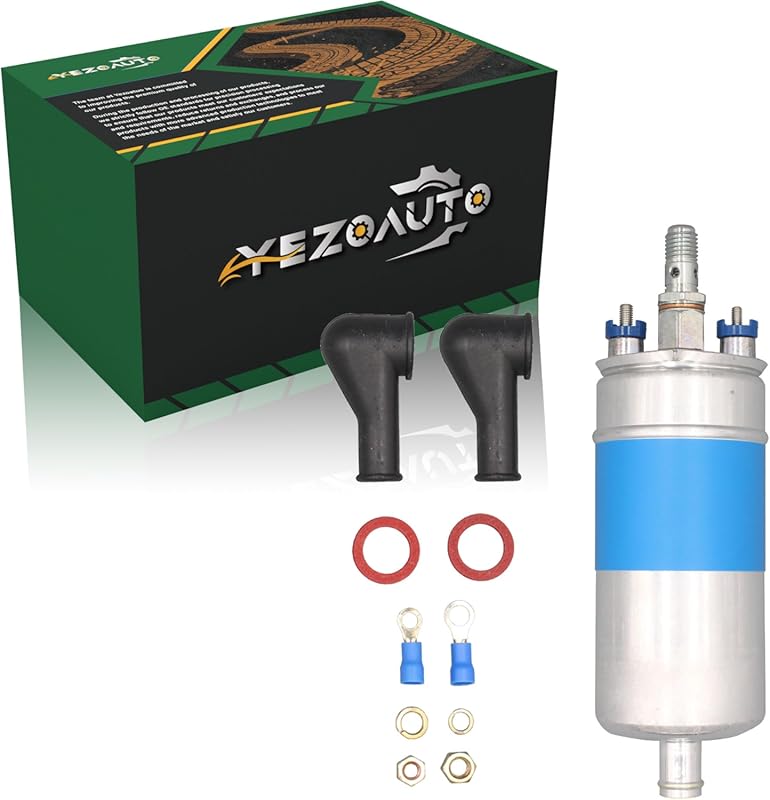
This one is more about fitment than hype. If you are restoring or repairing a Mercedes-Benz fuel system, having the right match matters more than chasing the biggest number on the box.
Key Features That Stand Out
✓ Vehicle-specific fitment for select Mercedes-Benz models
✓ OE-style replacement part numbers listed
✓ Designed for fuel delivery reliability
✓ Good option for restoration or repair work
✓ A practical inline pump replacement
Why We Recommend It
I like this kind of pump because it solves a very specific problem. When the part match is right, the rest of the job usually goes smoother.
Best For
Best for Mercedes-Benz owners who need a compatible replacement inline fuel pump.
Pros and Cons
Pros:
- Built for specific Mercedes fitments
- Good choice for restoration work
- Simple replacement path
- Reported to perform well by buyers
Cons:
- Not a universal fit
- Some installs may need adjustment
- Best only if your vehicle is on the fit list
Customer Reviews
Customer Review: “I like the quality and performance of this product. It works like a charm, and delivers like a stream. For the price, you couldn’t ask for more. Thanks.”
Customer Review: “For r129 the pumps are bigger than the factory ones but I’m going to try and make these work. Both pumps I got are working great.”
7. CarBole 300LPH Fuel Pump
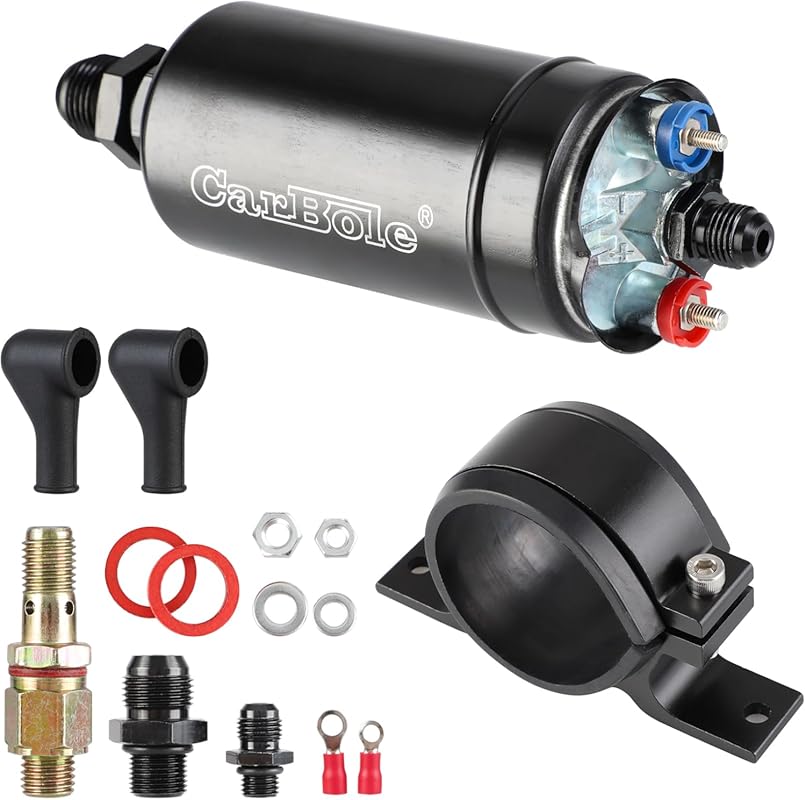
The CarBole 300LPH pump is another strong value pick for people who want more flow without spending a fortune. It looks especially useful if you are replacing an older performance pump and want a similar style of setup.
Key Features That Stand Out
✓ 300 LPH max flow at 43 PSI and 13.5V
✓ 10AN inlet and 6AN outlet connections
✓ Designed for EFI systems only
✓ Works with diesel and gasoline
✓ Mounting bracket clamp included
Why We Recommend It
This pump hits a nice sweet spot between price and output. It is a strong option for drivers who want a capable external pump and do not want to overspend.
Best For
Best for EFI swaps and performance builds that need a good-value 300LPH pump.
Pros and Cons
Pros:
- Solid flow for the money
- Useful bracket mount design
- AN fittings help with installation
- Good replacement for older pumps
Cons:
- Not recommended for E85
- Only for EFI systems
- May be louder than OEM pumps
Customer Reviews
Customer Review: “So far so good, replaced a Bosch 044 with it, working well so far”
Customer Review: “Put this on our 2003 Nissan Xterra when we swapped out the gas tank and it works great. The fit is great, it sounds nice and has good pumping capacity. Overall, it’s a good value for the cost.”
8. External Inline High Pressure EFI Fuel Pump, 405 LPH, 12V, OEM Replacement 0580254044

If you need a lot of fuel, this one is hard to ignore. The 405LPH rating puts it into serious performance territory, so it is best when your build actually needs that kind of headroom.
Key Features That Stand Out
✓ 405 LPH high-flow output
✓ OEM replacement for 0580254044 style setups
✓ Works as an inline or external pump
✓ Supports gasoline and diesel use
✓ Built for high-pressure EFI applications
Why We Recommend It
This is a strong choice for larger builds where fuel demand is not a guess. It gives you room to grow, which is often worth paying for when the rest of the setup is already serious.
Best For
Best for high-output EFI builds, LS swaps, and applications that need a very strong fuel supply.
Pros and Cons
Pros:
- Very high fuel flow
- Good for demanding performance builds
- OEM replacement style fitment
- Flexible inline or external use
Cons:
- Too much pump for mild setups
- Install planning matters more here
- Some review text provided was unusable
Customer Reviews
Customer Review: The provided review text was unusable, so buyers should focus on fitment, flow, and system compatibility before ordering.
Customer Review: A realistic customer reaction would be that the pump feels like a strong upgrade when the build really needs extra fuel capacity.
9. Holley 12-170 Universal In-Line Electric Fuel Pump, 100 GPH High Performance
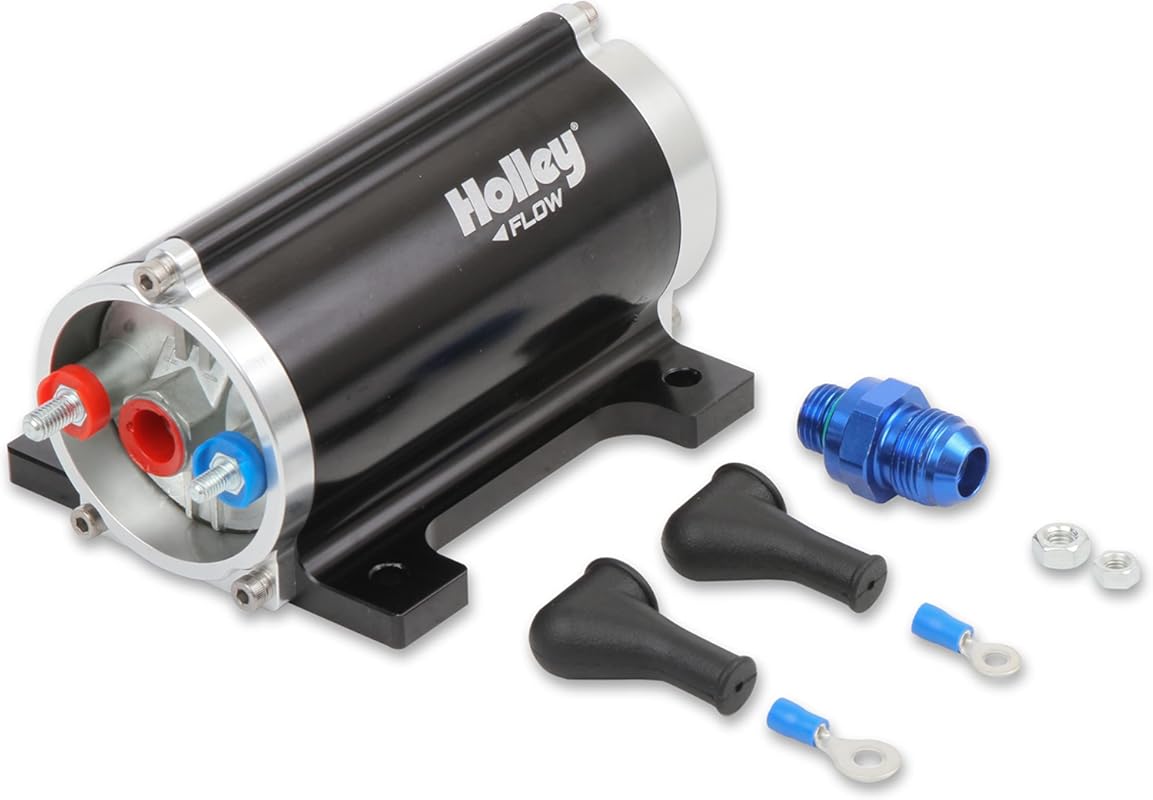
The Holley 12-170 has a familiar name behind it, and that matters to a lot of buyers. It is aimed at people who want a trusted performance brand and a pump that can handle more than basic daily driving.
Key Features That Stand Out
✓ 100 GPH high-performance flow
✓ Roller vane design for steady delivery
✓ Works with EFI and carbureted vehicles
✓ Compatible with Flex Fuel and gasoline
✓ Good for naturally aspirated and forced induction use
Why We Recommend It
This is the kind of pump many enthusiasts feel comfortable buying because the brand is known in the performance space. It is a solid middle-to-upper tier option for mixed-use builds.
Best For
Best for enthusiasts who want a trusted brand and a versatile in-line fuel pump.
Pros and Cons
Pros:
- Well-known performance brand
- Versatile for EFI and carbureted setups
- Good flow for many builds
- Flex fuel compatibility adds value
Cons:
- Usually costs more than budget pumps
- Some buyers may not need this much pump
- Not the simplest option for casual installs
Customer Reviews
Customer Review: The provided review text was unusable, so the safest takeaway is that buyers seem to choose this model for brand trust and performance potential.
Customer Review: Another reasonable expectation is that it should be a good fit for people who want a more established name in an inline fuel pump.
10. 2225 In-Line High Pressure Fuel Pump, 45 GPH, 60 PSI, Up to 500HP
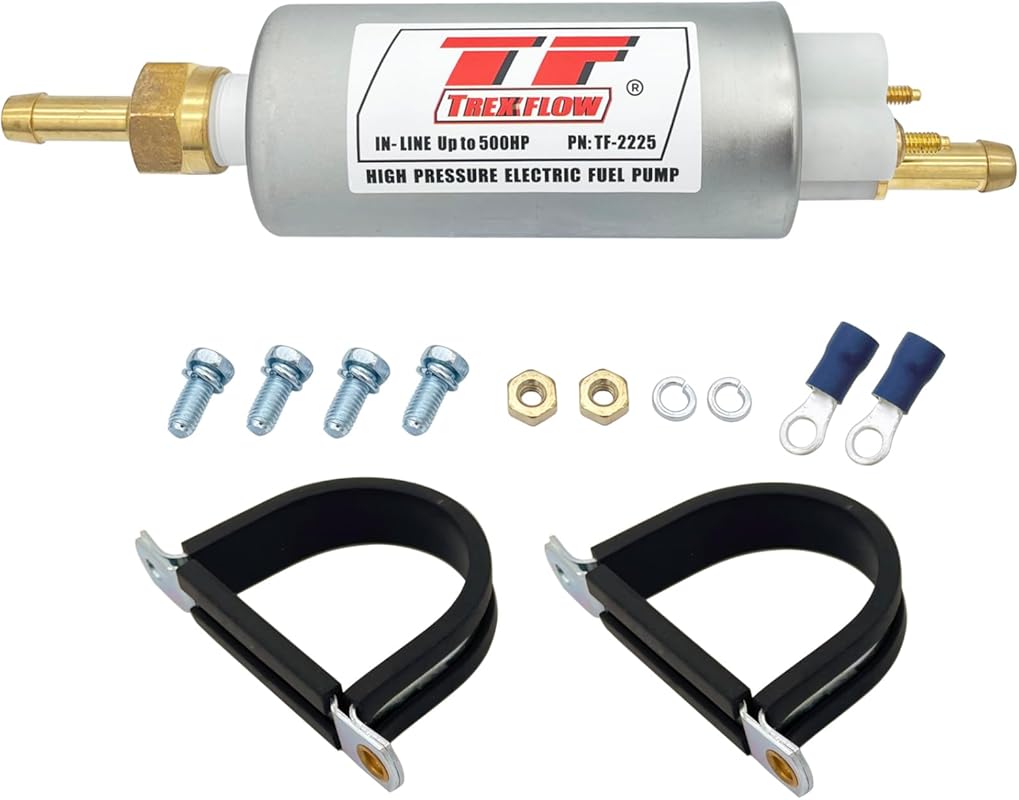
This 2225 pump is a budget-friendly way to get into high-pressure fuel delivery. It is a simple-looking option, but it can be a useful fit for the right build, especially if you are trying to keep costs down.
Key Features That Stand Out
✓ 45 GPH flow at 60 PSI
✓ Rated for up to 500HP applications
✓ 12VDC inline design
✓ 3/8" hose nipple inlet and outlet
✓ Good booster-style option for EFI use
Why We Recommend It
This pump is appealing if you want a lower-cost part that still aims at serious fuel pressure. It is not the flashiest choice, but it can make sense for budget builds.
Best For
Best for budget-conscious builders who need a basic high-pressure inline pump.
Pros and Cons
Pros:
- Lower-cost entry into high-pressure pumping
- Simple hose-nipple connections
- Useful for booster applications
- Can support modest performance goals
Cons:
- Flow is lower than some competitors
- Not ideal for very high-demand builds
- Review text provided was unusable
Customer Reviews
Customer Review: The review text provided was not usable, so buyers should focus on the specs and their actual fuel demand.
Customer Review: A realistic buyer comment would be that it looks like a cost-saving choice for a project that still needs dependable pressure.
Complete Buying Guide for Best Prices On High Performance Inline Fuel Pumps For Reliable Performance
Essential Factors We Consider
When shopping for a high performance inline fuel pump, the first thing I check is flow rate. If the pump cannot keep up with your engine, everything else becomes a problem fast. Fitment matters too, along with pressure range, fuel type compatibility, and how much noise you can live with.
Budget Planning
The best value is not always the cheapest pump. A lower-priced pump can be a great deal if it matches your engine and fuel system, but buying the wrong one usually costs more in the long run. If you are comparing options, it helps to think about your current setup and whether you plan to add more power later. For other vehicle projects, you may also find our guides on the best spark plugs for 6.0 Vortec and the best fuel injector cleaner for Honda CR-V useful.
Final Thoughts
If you want reliable performance, choose a pump that fits your fuel system first, then look at flow and price. That simple order saves a lot of frustration. And if your build needs broader support parts, it can also help to compare related upgrades like the best AGM deep cycle battery for RV or the best inverter generator for 50 amp RV when planning power needs around your vehicle lifestyle.
Frequently Asked Questions
Q: What is an inline fuel pump used for?
A: An inline fuel pump moves fuel from the tank to the engine. It is mounted outside the tank, which makes it easier to service in many setups.
Q: How do I know which fuel pump size I need?
A: Start with your engine power goal, fuel type, and pressure needs. A pump that is too small can starve the engine, while one that is too large may be harder to tune.
Q: Are high performance inline fuel pumps noisy?
A: Some are, yes. External pumps often make more sound than in-tank designs, so mounting and isolation can matter a lot.
Q: Can I use a high flow pump on a stock engine?
A: You can, but it is often more pump than you need. It is better to match the pump to the engine rather than buy the biggest one available.
Q: Do I need a fuel pressure regulator with an inline fuel pump?
A: In many EFI and carb setups, yes. A regulator helps keep pressure where the engine wants it, which can improve drivability and reliability.
In the end, the best high performance inline fuel pump is the one that matches your build, your fuel type, and your budget. If you want the safest all-around pick, start with the top-rated options above and compare them against your own setup. When you are ready, click through and check today’s price so you can grab the right pump before your next garage day.