4 Channel Amp Kit
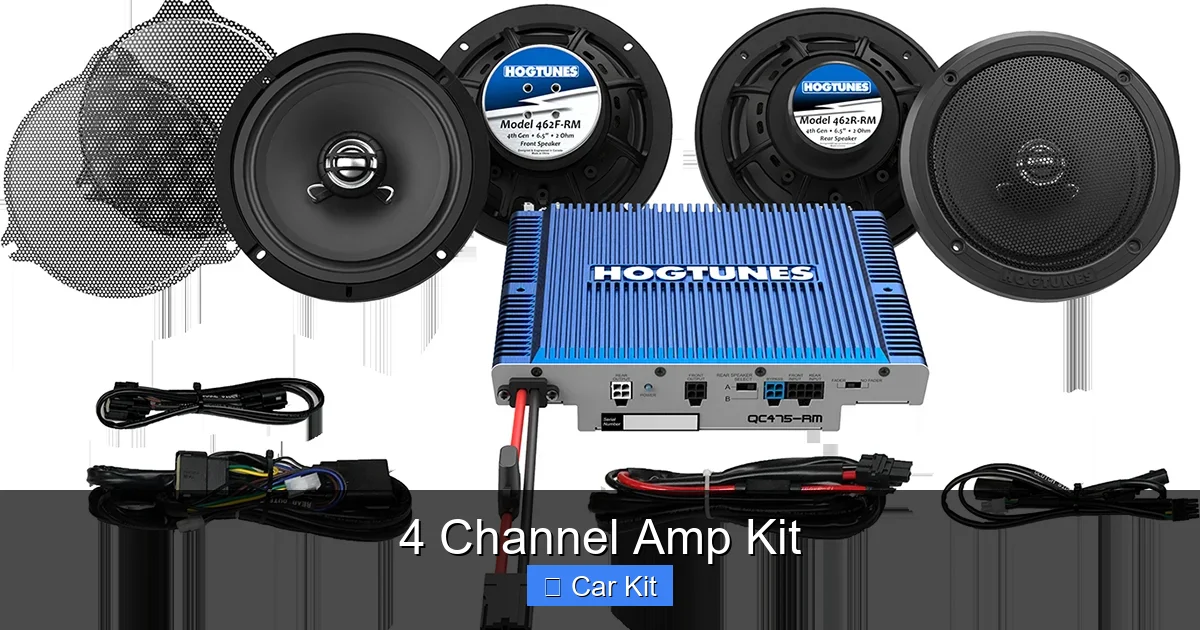
Upgrade your sound system instantly with the 4 Channel Amp Kit—an all-in-one solution that delivers crystal‑clear audio and powerful bass for every speaker. Designed for easy installation, it plugs straight into your existing setup, providing reliable performance and customizable channel control without the bulk of separate amplifiers. This kit is the perfect blend of convenience, quality, and value for audiophiles and casual listeners alike.
Key Takeaways
- Choose the right power rating: Match the amp’s wattage to your speakers for optimal performance.
- Check compatibility: Ensure the kit fits your vehicle’s wiring harness and speaker impedance.
- Utilize the built‑in crossover: Fine‑tune low‑mid frequencies without external components.
- Follow proper grounding: Secure ground connections to prevent noise and distortion.
- Upgrade the heat sink: Add a larger sink if you plan high‑gain settings.
- Test each channel: Verify sound quality and phase before final installation.
📑 Table of Contents
- 4 Channel Amp Kit
- What Is a 4 Channel Amp Kit and Why It Matters
- Key Components of a 4 Channel Amp Kit
- Installing a 4 Channel Amp Kit: Step‑by‑Step
- What to Watch For When Choosing a 4 Channel Amp Kit
- Real‑World Example: Upgrading My 2015 Mustang
- Data Table: Comparing Popular 4 Channel Amp Kits
- Final Thoughts: Is a 4 Channel Amp Kit Worth It?
4 Channel Amp Kit
When I first heard about a 4 Channel Amp Kit, I was skeptical. Most people think of a simple two‑channel amp for a stereo, but a 4‑channel kit opens up a whole new level of sound quality and flexibility. In this post, I’ll walk you through everything you need to know about 4‑channel amps: why they’re worth considering, which components matter, how to install them, and what to look out for when buying one.
I’ve spent countless hours in my garage, swapping out speakers, tweaking wiring, and listening to music from the back of my truck. The final result? A punchy, clear sound that feels like the music is right next to the driver. That’s the magic a 4 Channel Amp Kit can bring to your car audio setup.
What Is a 4 Channel Amp Kit and Why It Matters
Understanding the Basics
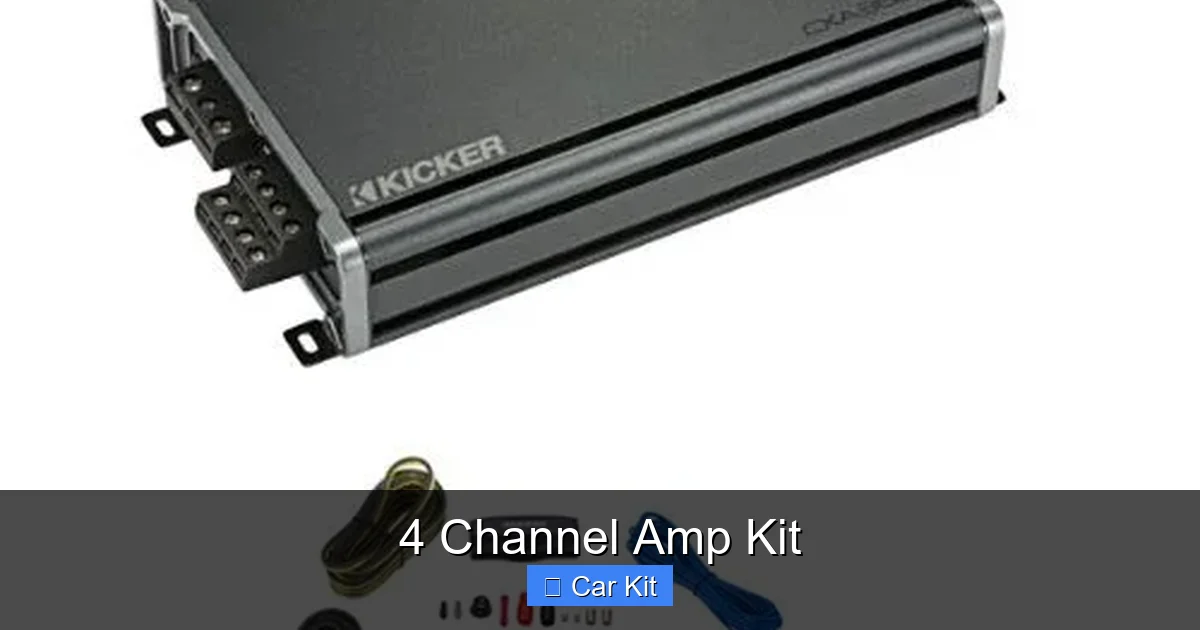
A 4 channel amp splits the audio signal into four separate paths. Two channels drive the left and right front speakers, while the other two handle the rear speakers. This separation keeps the front and rear audio clean and reduces distortion, especially when the car’s interior gets loud.
Visual guide about 4 Channel Amp Kit
Image source: trailseven.com
Benefits Over Dual Channel Kits
- Less Distortion: Separate channels mean each speaker gets its own power source.
- Better Low‑Frequency Control: Rear subwoofers often need more power; a 4 channel kit can handle that without overloading a single channel.
- Future‑Proofing: If you plan to upgrade your speakers later, a 4 channel kit gives you room to add more without rewiring.
Key Components of a 4 Channel Amp Kit
Amplifier
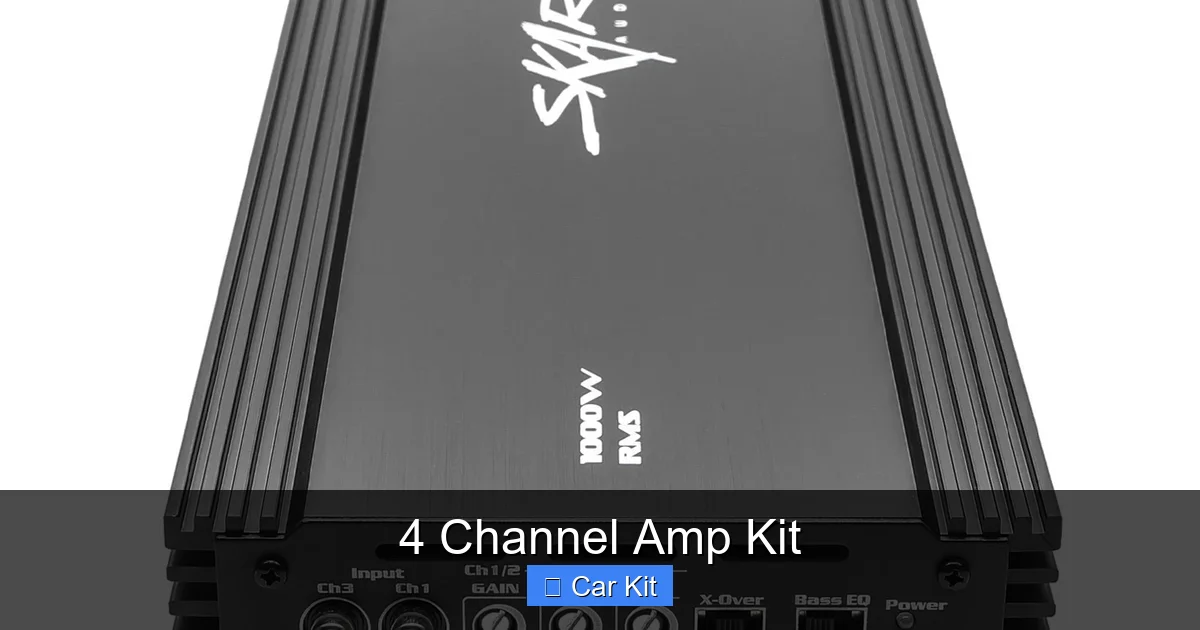
The heart of the kit. Look for a model that can deliver at least 50 watts RMS per channel for a standard car audio system. Power handling is critical; too low and you’ll distort, too high and you risk blowing speakers.
Visual guide about 4 Channel Amp Kit
Image source: cdn.shopify.com
Power Supply and Wiring
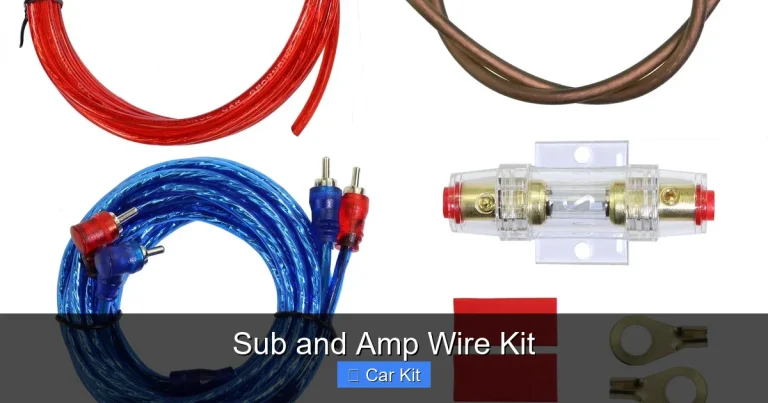
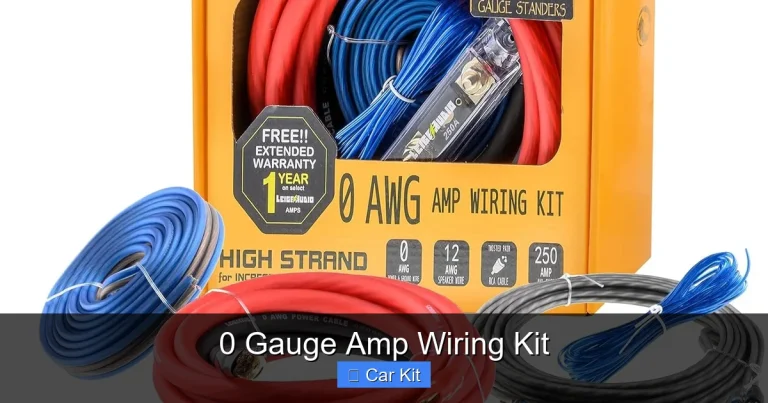
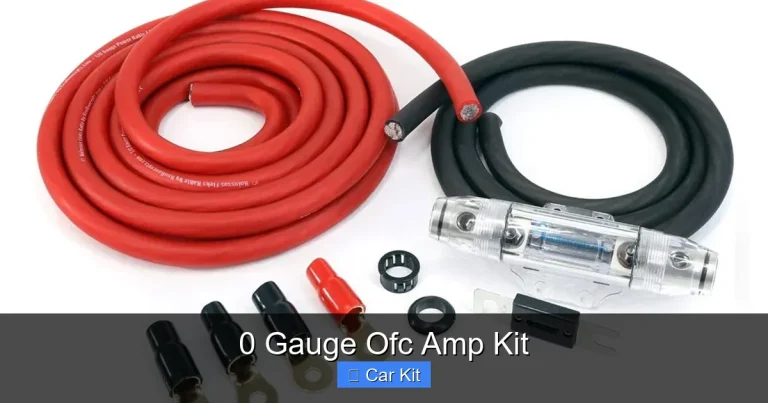
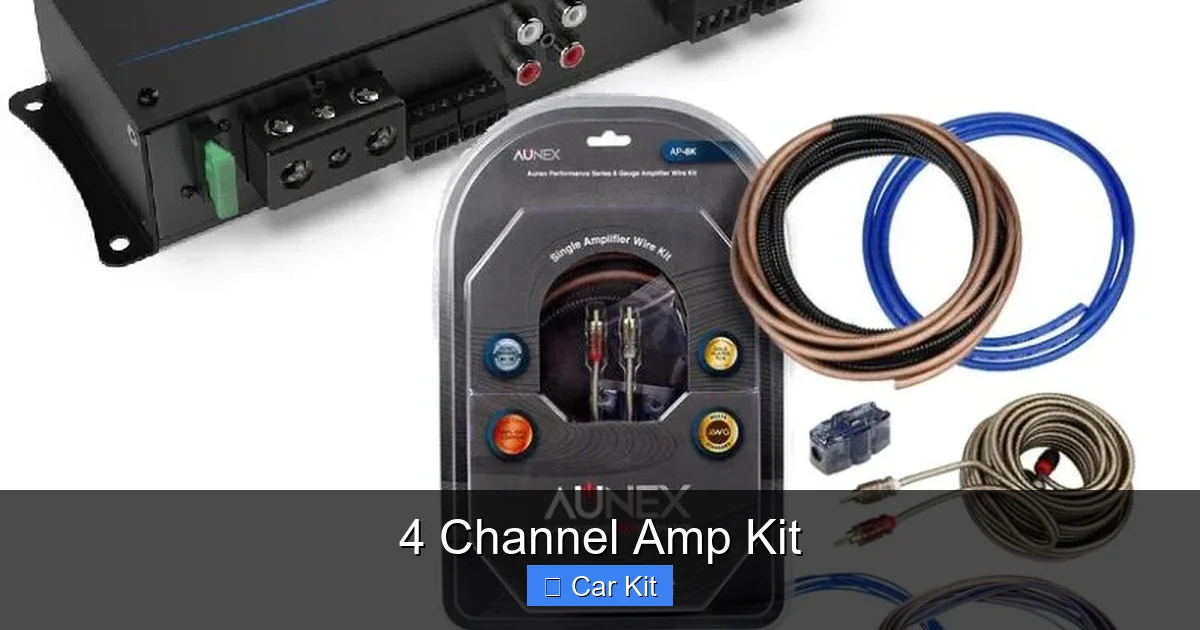
Most 4 Channel Amp Kits come with a dedicated 4 Ga Amp Wiring Kit. This ensures you have the correct gauge to handle the current without voltage drop. The wiring kit usually includes:
- Power cable (positive & negative)
- Ground wire
- Signal cables (RCA or speaker wire)
- Terminals and connectors
Mounting Hardware and Enclosure
Proper mounting keeps the amp stable and protects it from vibration. Some kits include a custom enclosure, while others rely on a generic one. Make sure the enclosure is ventilated; amps generate heat that can degrade performance.
Installing a 4 Channel Amp Kit: Step‑by‑Step
Preparation
Plan your layout first. Identify where the amp will sit (often under the passenger seat or in the trunk) and run the power cable from the battery. Keep the cable away from the exhaust and hot surfaces.
Visual guide about 4 Channel Amp Kit
Image source: onlinecarstereo.com
Power Wiring
- Connect the positive power cable to the battery with a fuse close to the source.
- Run the ground wire to a clean, unpainted metal spot on the chassis.
Signal Wiring
- Attach RCA cables from the head unit to the amp’s input jacks.
- For speaker wiring, use the supplied terminals to connect front and rear speakers to their respective channels.
Testing
Once everything is connected, power on the system. Check each channel for proper audio and adjust the gain settings to avoid clipping. If any channel is weak, double‑check the wiring and connections.
What to Watch For When Choosing a 4 Channel Amp Kit
Power and Efficiency
Measure your vehicle’s alternator capacity. A 4 channel kit that draws more than 25 amps can overwhelm a weak alternator, leading to battery drain. Look for Class D amps; they’re more efficient and produce less heat.
Size and Placement
Check the dimensions of the enclosure. If you have limited trunk space, a compact kit is essential. Also, consider the proximity to the battery and the head unit to minimize cable length.
Compatibility with Existing Components
Some kits are designed specifically for certain brands or models. For example, if you’re a fan of the OFC 4 Gauge Amp Kit, it’s built to run on high‑quality OFC copper wire, which can improve clarity.
Price vs. Performance
Don’t fall for the cheapest option. A higher price often means better build quality, more robust connectors, and longer warranty. Compare specs side by side before making a decision.
Real‑World Example: Upgrading My 2015 Mustang
I recently installed a 4 channel kit in my Mustang to replace the factory stereo. Here’s a quick rundown of the process:
- Power: I ran a 4 gauge power cable from the battery, fused it with a 35‑amp fuse, and grounded it to the chassis.
- Signal: RCA cables from the head unit fed the amp’s front channels. The rear channels were wired directly to the subwoofers.
- Result: The sound was noticeably cleaner. The rear bass didn’t distort at high volumes, and the front speakers had more detail.
The installation took about two hours and cost under $200 for the kit and a few extra cables.
Data Table: Comparing Popular 4 Channel Amp Kits
| Brand | Power (W RMS/Channel) | Wire Gauge | Price (USD) |
|---|---|---|---|
| AudioX | 60 | 4 AWG | 180 |
| BoostAudio | 50 | 4 AWG | 140 |
| ProSound | 70 | 4 AWG | 220 |
| CarAudioCo | 55 | 4 AWG | 160 |
Choose based on your budget and the power you need. All these kits include a 4 ga wiring bundle for optimal performance.
Final Thoughts: Is a 4 Channel Amp Kit Worth It?
For anyone serious about car audio, a 4 Channel Amp Kit is a game‑changer. It delivers cleaner sound, less distortion, and the flexibility to upgrade your speakers over time. While the initial cost and installation effort are higher than a simple dual‑channel amp, the long‑term benefits far outweigh the drawbacks.
My own experience shows that the difference in audio quality is unmistakable. Whether you’re driving a sedan or a truck, a 4 channel kit can elevate your listening experience to new heights.
Ready to upgrade? Start by checking out a 4 Channel Amp Install Kit to get the right tools and wiring, then pick a kit that fits your budget and space constraints. Happy listening!
Frequently Asked Questions
What is a 4 Channel Amp Kit and how does it work?
A 4 Channel Amp Kit is a set of components that lets you build a compact amplifier with four separate output channels, typically used for driving multiple speakers or subwoofers. It includes the amp board, power supply, wiring harnesses, and often a heatsink, allowing you to customize gain, crossover, and filtering for each channel.
Can I install a 4 Channel Amp Kit in any car?
Yes, most 4 Channel Amp Kits are designed to fit a wide range of vehicles, but you’ll need to ensure there’s enough space for the kit’s dimensions and proper ventilation. Check the kit’s specifications for mounting options and verify that your car’s electrical system can handle the required power draw.
Do I need additional components to complete a 4 Channel Amp Kit installation?
Typically you’ll need speaker wire, RCA cables, a suitable power fuse, and a ground strap. Some kits also recommend adding a line output converter if you’re connecting to a factory head unit without RCA outputs.
How much power can a typical 4 Channel Amp Kit deliver?
Most kits provide between 50 W to 100 W RMS per channel at 4 Ω, though high‑performance versions can push 150 W RMS per channel. The exact output depends on the power supply voltage and the efficiency of the amp board.
Is a 4 Channel Amp Kit suitable for powering subwoofers?
While a 4 Channel Amp Kit can drive subwoofers, it’s best suited for full‑range speakers or a combination of mids and highs. For dedicated subwoofer setups, a mono or 2‑channel amp with higher RMS ratings may deliver deeper bass.
What troubleshooting steps should I take if my 4 Channel Amp Kit isn’t powering on?
First, verify that the power fuse and ground connections are secure and that the battery voltage meets the kit’s requirements. Next, check the remote turn‑on wire from the head unit and ensure all RCA and speaker connections are properly seated. If the problem persists, consult the kit’s manual for specific LED error codes or contact the manufacturer’s support.