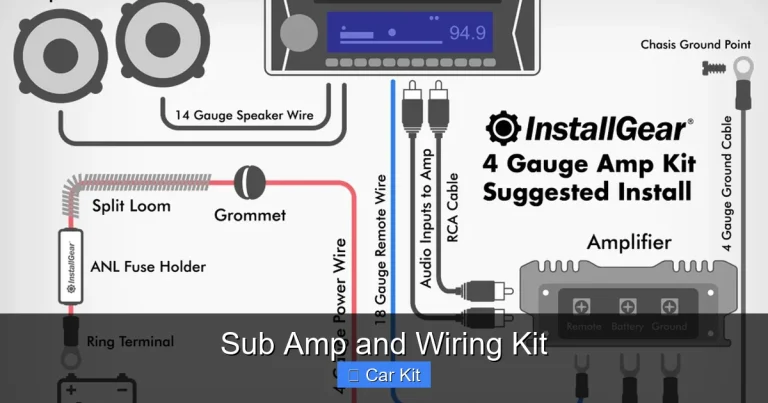
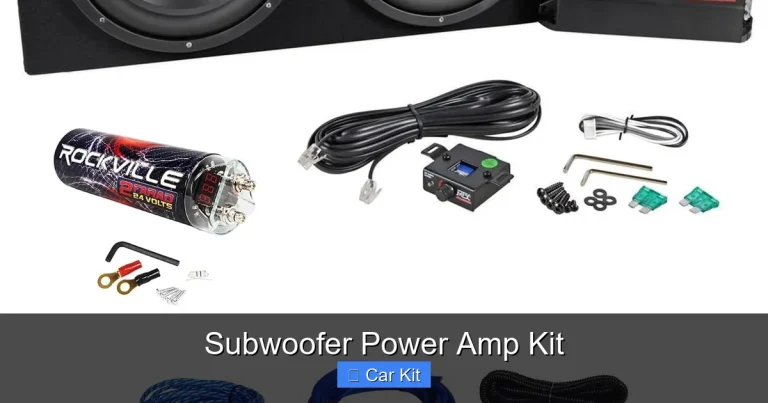
4 Gauge Amp Kit Nearby
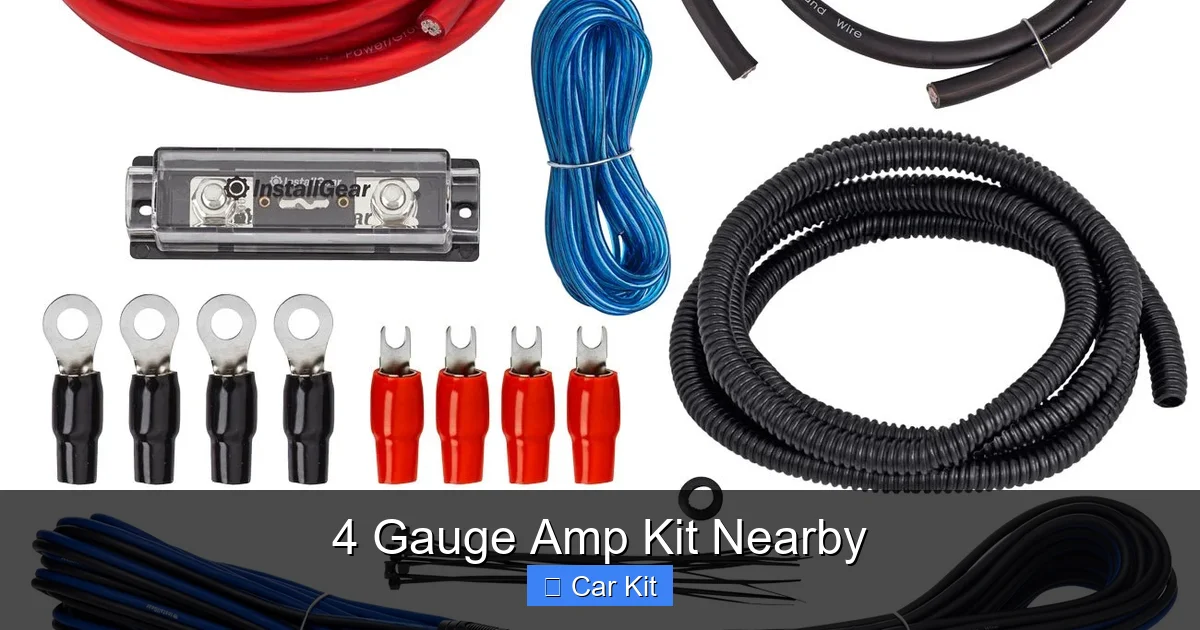
Looking for a 4 Gauge Amp Kit nearby? This guide walks you through what to look for, where to buy, and how to install it with confidence. From wire size basics to local retailer tips, we’ve got you covered so your car’s sound system powers up safely and efficiently.
Key Takeaways
- Correct gauge matters: 4‑gauge wire handles high current, reducing heat and voltage drop.
- Local availability: Knowing nearby stores saves time and shipping fees.
- Installation basics: Proper crimping, routing, and fuse placement are essential for safety.
- Compatibility check: Match the amp’s RMS power and your speaker load before buying.
- Quality brands: Trusted kits from Walmart, AutoZone, and specialty shops offer reliable performance.
- DIY vs. professional: Simple installs can be DIY, but complex runs may need a pro.
- Maintenance tip: Periodic inspection of connections prevents future failures.
📑 Table of Contents
- Why a 4 Gauge Amp Kit Is a Game‑Changer for Your Car Audio
- Understanding the Numbers: What Does “4 Gauge” Really Mean?
- Where to Find a 4 Gauge Amp Kit Nearby
- What Should a Complete 4 Gauge Amp Kit Include?
- Step‑by‑Step Installation Guide
- Choosing the Right Kit for Your Vehicle
- Maintenance and Troubleshooting
- Saving Money While Getting a 4 Gauge Amp Kit Nearby
- Conclusion
Why a 4 Gauge Amp Kit Is a Game‑Changer for Your Car Audio
When you upgrade your subwoofer or add a high‑power amplifier, the wiring becomes the unsung hero. A 4 gauge amp kit delivers the current your amp needs without overheating, keeping the sound clean and the system reliable. Think of it as the highway for electricity—wide enough for traffic to flow smoothly.
Using a smaller gauge, like 8 or 10, might seem cheaper, but the extra resistance can cause voltage drop, distortion, and even melted wires under heavy loads. That’s why car enthusiasts constantly search for a 4 Gauge Amp Kit nearby—they want the right size, quality, and convenience without waiting weeks for delivery.
Understanding the Numbers: What Does “4 Gauge” Really Mean?
Wire gauge basics
Wire gauge follows the American Wire Gauge (AWG) system. The lower the number, the thicker the wire. A 4‑gauge wire is about 5 mm in diameter and can safely carry up to 100 amps depending on length and insulation.
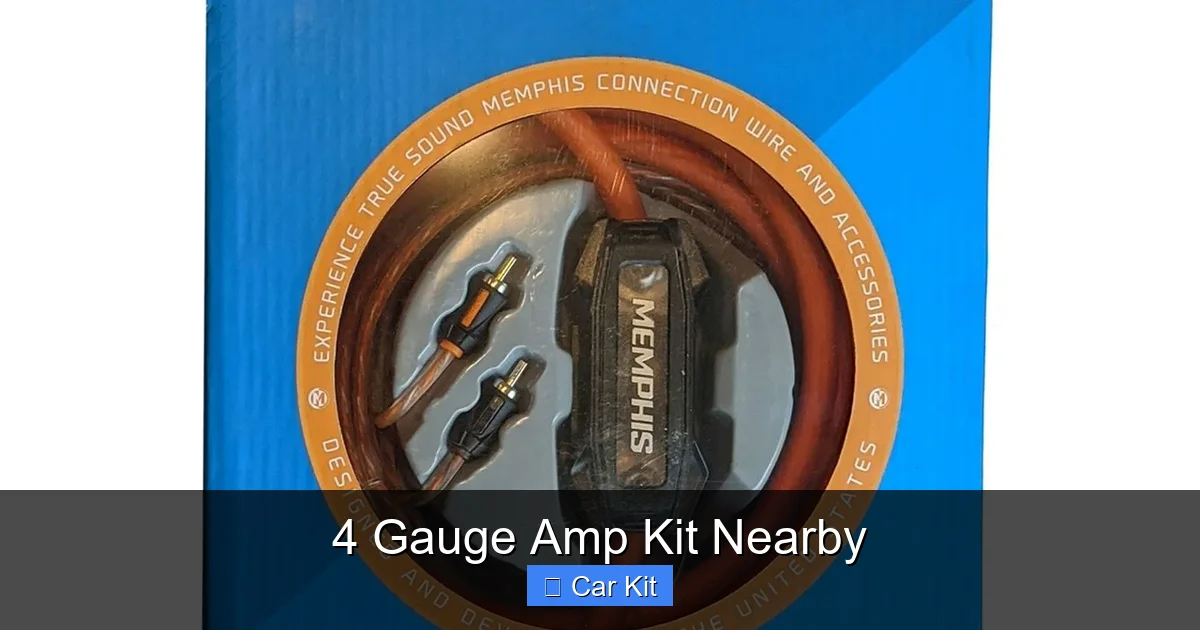
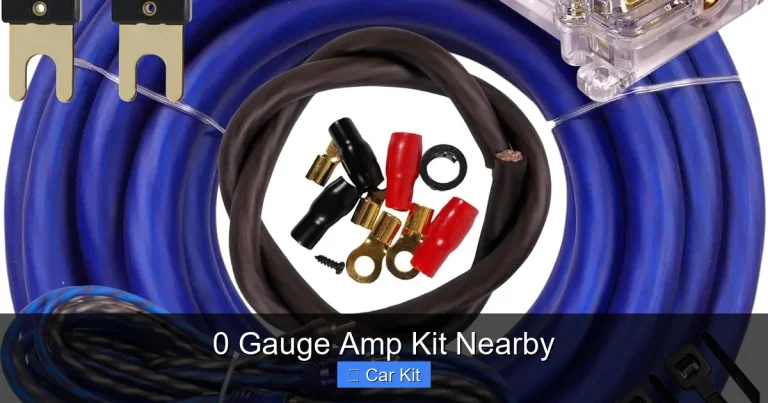
Visual guide about 4 Gauge Amp Kit Nearby
Image source: cdn11.bigcommerce.com
Why thickness matters for amps
- Current capacity: More amps flow without overheating.
- Voltage drop: Thicker wire means less loss over distance, preserving power.
- Heat resistance: Lower resistance reduces heat buildup, protecting surrounding components.
Real‑world example
Imagine a 600‑watt RMS amp that draws 50 amps at 12 V. With 8‑gauge wire, you might lose 0.5 V over a 5‑foot run, translating to a 5‑percent power loss. Switch to 4‑gauge, and the loss drops to under 0.2 V—practically invisible to your ears.
Where to Find a 4 Gauge Amp Kit Nearby
Big‑box retailers
Walmart carries a solid selection of 4 gauge amp kits, often priced competitively. Visit the 4 Gauge Amp Kit Walmart page for store locations and current inventory.

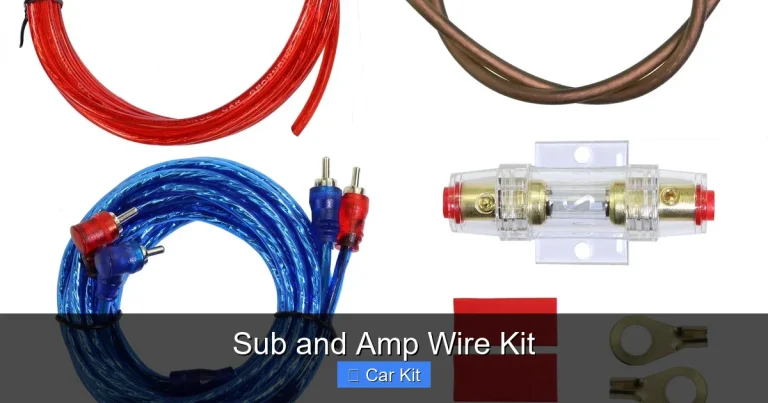
Visual guide about 4 Gauge Amp Kit Nearby
Image source: americanbassusa.com
Specialty car‑audio shops
Local audio specialists usually stock premium kits with extra accessories like heat‑shrink tubing and heavy‑duty terminals. Call ahead and ask for a “4 gauge amp kit nearby” to confirm stock.
Online resources with local pickup
Many e‑commerce sites now offer “buy online, pick up in store.” This hybrid approach gives you the convenience of online research while letting you grab the kit the same day.
What Should a Complete 4 Gauge Amp Kit Include?
Essential components
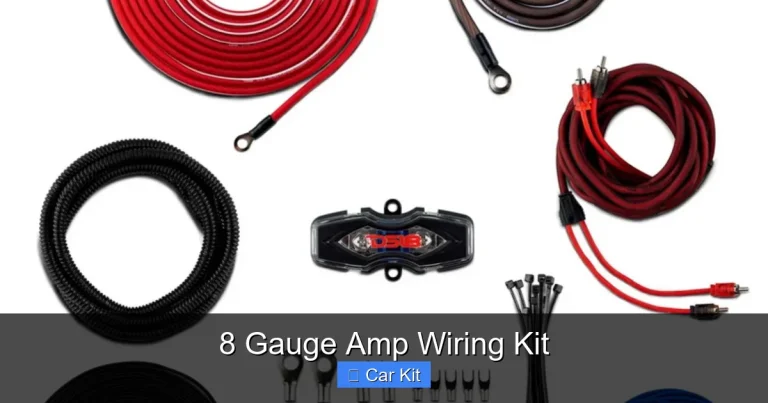
- 4‑gauge power wire: Usually 12‑15 feet per side, sufficient for most install paths.
- Ground wire: Same gauge, sometimes pre‑tinned for easy bonding.
- Fuse holder and appropriate fuse: Protects your vehicle’s electrical system.
- Ring terminals: Crimped onto power and ground wires for secure connections.
- Heat‑shrink tubing: Provides insulation and a professional finish.
- Installation guide: Step‑by‑step instructions tailored to common vehicles.
Optional upgrades
Some kits include a remote turn‑on lead, additional distribution blocks, or an integrated power distribution module. If you plan a multi‑amp setup, look for kits that can grow with you.
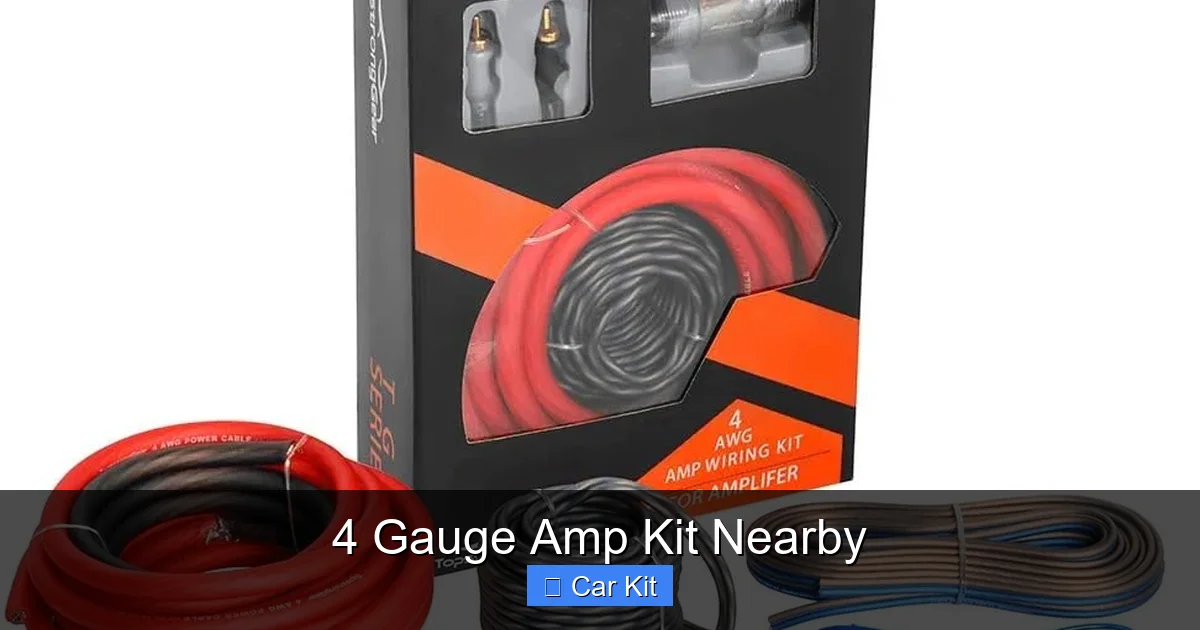
Visual guide about 4 Gauge Amp Kit Nearby
Image source: m.media-amazon.com
Step‑by‑Step Installation Guide
1. Plan your route
Map the path from the battery to the amp. Avoid sharp edges, moving parts, and areas that get hot. Use zip ties to keep the wire tidy.
2. Install the fuse
Place the fuse holder within 12 inches of the battery. Choose a fuse rating that matches the amp’s maximum draw—usually 80 A for a 600 W amp.
3. Strip and crimp
Strip about ¼ inch of insulation from each end. Slide on heat‑shrink tubing, then crimp the ring terminals using a proper crimping tool. Heat the tubing to seal.
4. Connect power and ground
Secure the power ring terminal to the battery’s positive post, and the ground to a clean, bare metal spot on the chassis. Tighten bolts to the manufacturer’s torque specs.
5. Run the wire
Lay the 4‑gauge wire along the planned route, securing it every 12‑18 inches. Keep the wire away from the exhaust and moving suspension components.
6. Final check
Double‑check all connections, ensure the fuse is correct, and verify that the wire is not pinched. Turn on the car, then the amp, and listen for clear, distortion‑free sound.
Pro tip
If you’re unsure about crimping, a solder‑and‑heat‑shrink combo provides a stronger bond. The extra step takes a few minutes but adds peace of mind.
Choosing the Right Kit for Your Vehicle
Match the amp’s power
Calculate the amp’s RMS power and current draw. A 4 gauge kit is ideal for amps drawing 60 A or more. For lower‑power setups, 8 gauge may suffice, but the 4 gauge offers future‑proofing.
Consider the vehicle’s layout
Compact cars may need flexible routing options, while trucks often have ample space under the dash. Look for kits that include extra length or split‑run options.
Brand reliability
Brands that appear in our internal guides, like the Amp Install Kit 4 Gauge, are known for quality terminals and durable insulation. Reading reviews helps avoid cheap, low‑quality wire that can cause headaches.
Maintenance and Troubleshooting
Regular inspections
Every 6‑12 months, check the connections for corrosion, loosened bolts, or cracked insulation. Tighten any loose terminals and replace damaged sections.
Common issues
- Overheating: May indicate undersized fuse or a short circuit.
- Voltage drop: Re‑measure at the amp; if you see more than 0.5 V loss, consider shortening the run or adding a second ground.
- No sound: Verify the remote turn‑on lead and ensure the amp is receiving power.
When to call a professional
If you encounter persistent overheating, sparks, or fuse blows, it’s best to let a certified installer diagnose the issue. Safety first!
Saving Money While Getting a 4 Gauge Amp Kit Nearby
Shop sales and clearance
Big retailers often discount audio kits during holiday weekends. Sign up for newsletters to catch the best deals.
Bundle with other accessories
Some stores offer bundle discounts when you buy a kit along with a new amp or subwoofer. This can shave off 10‑15 % of the total cost.
Use local classifieds
Occasionally, car‑audio enthusiasts sell lightly used kits at a fraction of retail price. Verify the wire condition before buying.
Conclusion
Finding a 4 Gauge Amp Kit nearby doesn’t have to be a chore. By understanding why 4‑gauge wire is essential, knowing what a complete kit contains, and following a clear installation path, you can upgrade your car’s sound system safely and affordably. Whether you head to Walmart, a specialty shop, or a local auto‑parts store, the right kit will keep your amp humming and your music booming for miles to come.
Frequently Asked Questions
What is the maximum current a 4 gauge wire can handle?
In a typical automotive environment, 4‑gauge wire can safely carry 80‑100 amps depending on length and insulation temperature.
Do I need a separate ground wire with a 4 gauge amp kit?
Yes. A dedicated 4‑gauge ground ensures the amp has a low‑resistance return path, preventing voltage fluctuations.
Can I use a 4 gauge amp kit for a 2‑channel amp?
Absolutely. The gauge refers to wire thickness, not the number of channels. Just match the wire length to your routing needs.
Is it safe to install a 4 gauge amp kit myself?
For most DIYers, yes. Follow the step‑by‑step guide, use proper tools, and double‑check connections. If you feel unsure, consult a professional.
Where can I find a 4 gauge amp kit near me?
Check big‑box stores like Walmart, local car‑audio shops, or use online “buy online, pick up in store” options. The 4 Gauge Amp Kit Walmart page lists nearby locations.
What additional accessories might I need?
Consider a fuse holder, appropriate fuse, heat‑shrink tubing, and quality ring terminals. Some kits already include these items.