Amp and Sub Wiring Kit
Amplifier and subwoofer wiring can feel daunting, but with the right kit and a clear plan it’s a breeze. This article walks you through the basics, shows you how to pick the perfect kit for your power needs, and shares step‑by‑step installation tips so you can enjoy deeper bass without any hassle.
Key Takeaways
- Choose the right gauge: Match wire gauge to amp wattage to avoid voltage drops.
- Use a ground strap: A solid connection prevents hum and protects the battery.
- Plan the route: Keep power and signal cables separate to reduce interference.
- Employ a fuse: Protect the system with a fuse close to the battery.
- Test before final mounting: Verify voltage and signal before sealing panels.
- Consider an installer kit: Kits like the Amp And Subwoofer Wiring Kit bundle all needed components.
- Maintenance matters: Check connections yearly to keep bass crisp.
📑 Table of Contents
Introduction
When you first think about upgrading your car’s audio, wiring feels like the toughest part. You’re not just connecting a subwoofer and an amp; you’re creating a reliable electrical pathway that can handle high power and keep your battery safe. Fortunately, an amp and sub wiring kit simplifies the process by providing the exact wires, connectors, and instructions you need.
In this guide, we’ll cover everything from choosing the right gauge to troubleshooting common issues. By the end, you’ll feel confident installing a clean, efficient system that delivers booming bass without a second‑guessing.
Why a Dedicated Wiring Kit Matters
Everything in One Package
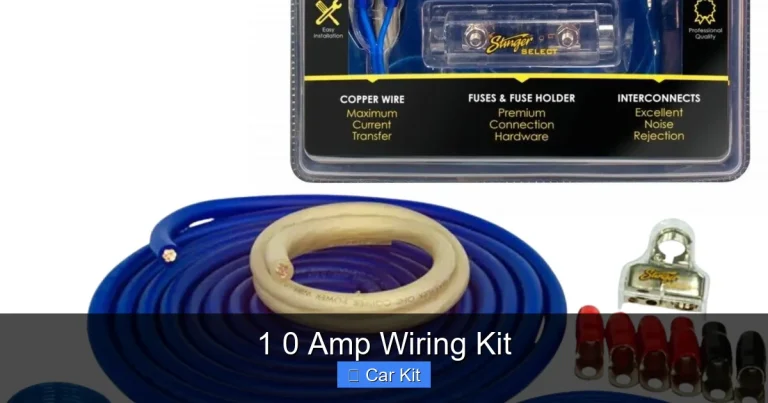
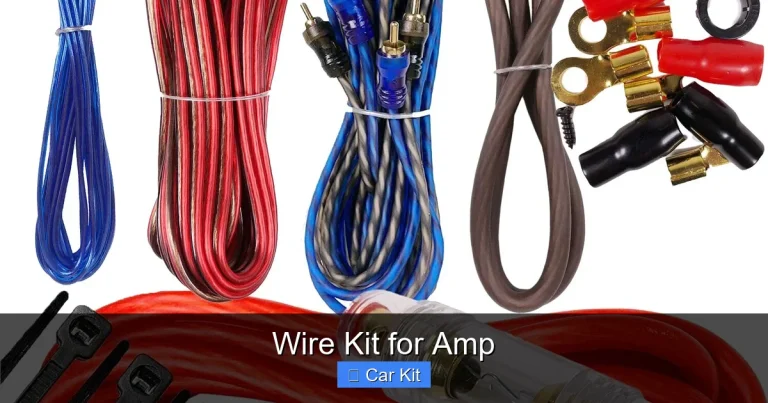
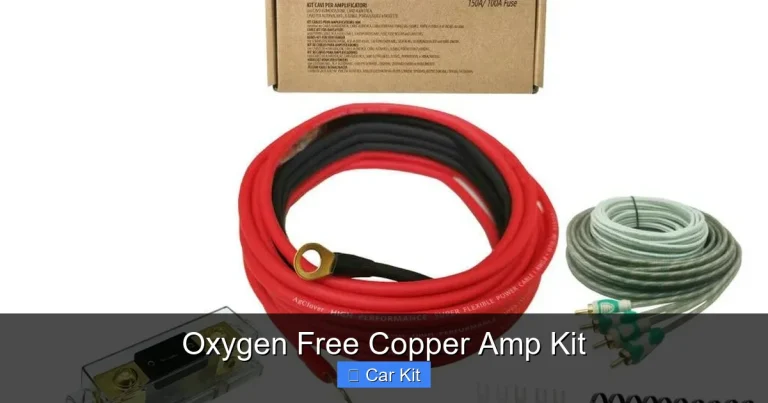
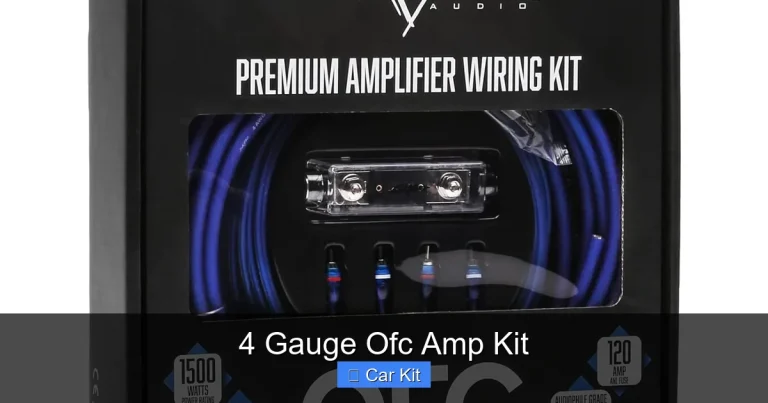
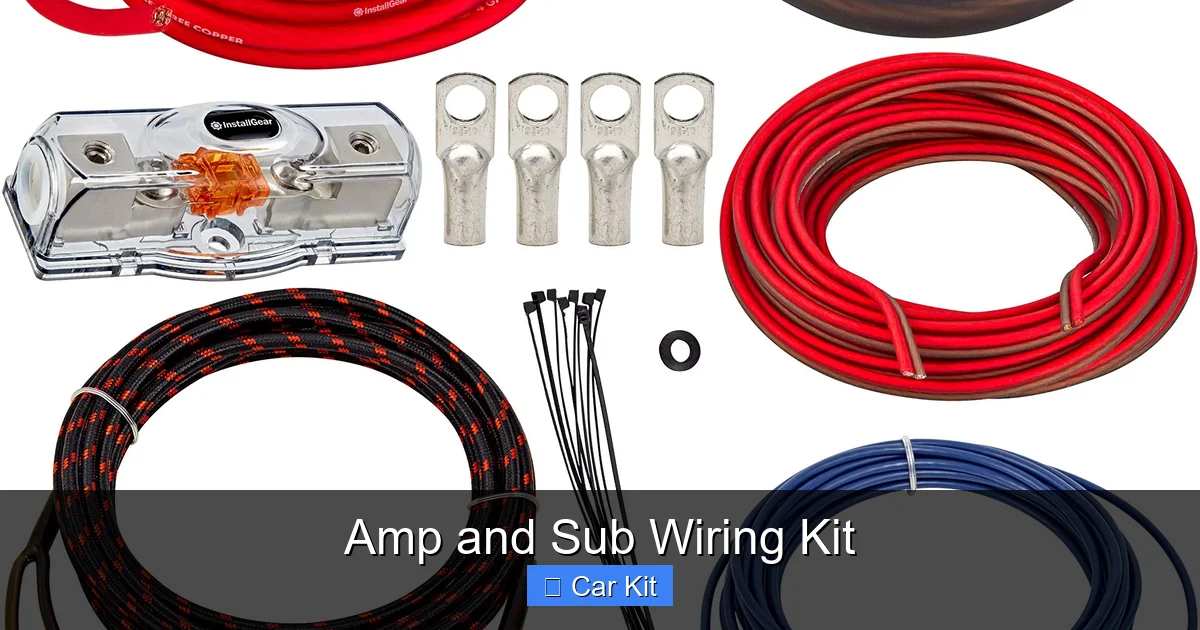
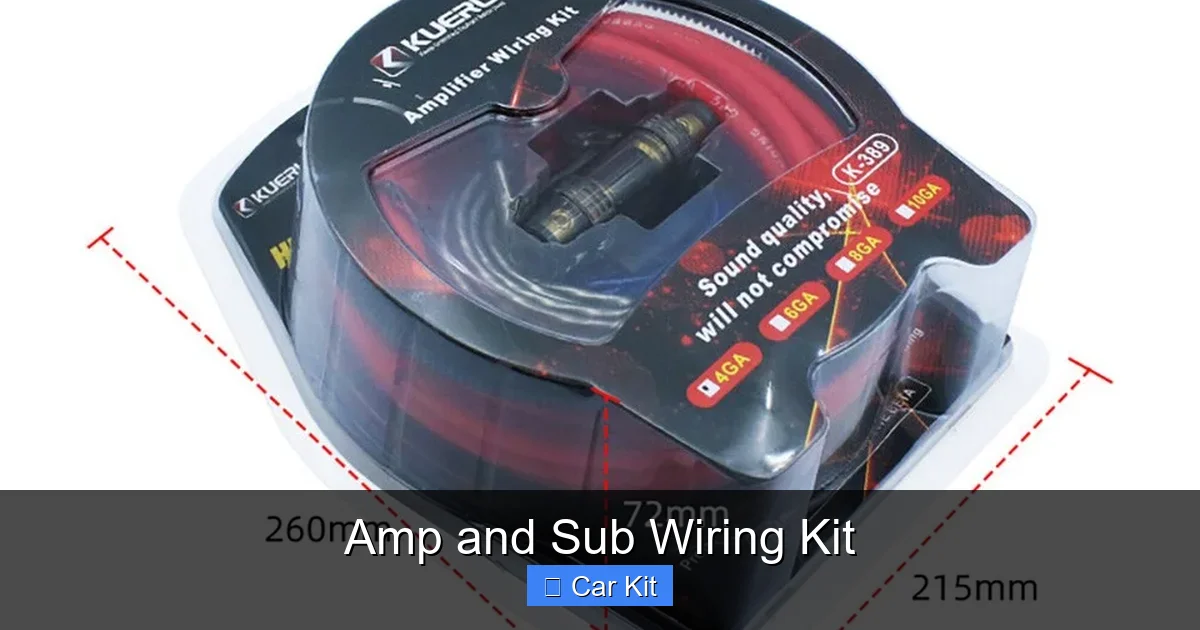
Wiring kits are designed to match amp specifications. They include the correct gauge copper wire, ring terminals, and sometimes even a fuse holder. That means you don’t have to hunt for parts or risk mismatched components.
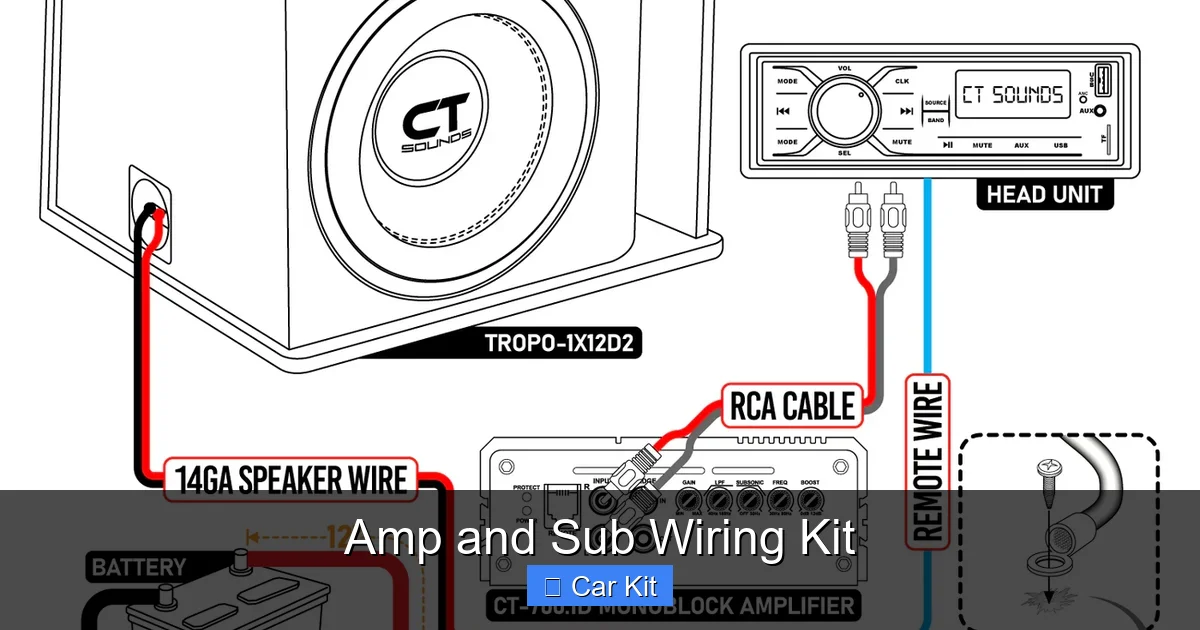
Visual guide about Amp and Sub Wiring Kit
Image source: ctsounds.com
Time and Money Savings
Buying wires separately can lead to mistakes—too thin, too thick, or wrong connectors. A kit reduces errors, cuts down on labor time, and often comes at a lower cost than buying each part individually.
Choosing the Right Amp and Sub Wiring Kit
Match Wire Gauge to Amp Power
Wattage dictates how much current flows. A 1000‑watt amp typically needs 12‑gauge copper wire, while a 2000‑watt amp requires 10‑gauge. Using the wrong gauge can cause heat, voltage drop, and even dangerous fires.
Visual guide about Amp and Sub Wiring Kit
Image source: i.ebayimg.com
Consider Your Vehicle’s Battery Capacity
High‑power systems put a strain on the battery. If your car has a standard 12‑volt battery, a 1500‑watt kit may be the sweet spot. For larger engines or dual batteries, a 2500‑watt kit can be safe with proper installation.
Read Reviews and Compare
Check user feedback on the Subwoofer And Amp Wiring Kit page to see what real installers say about performance and durability. Pay attention to the gauge, connector quality, and included accessories.
Step‑by‑Step Installation Guide
1. Gather Your Tools and Parts
- Wiring kit (amp + sub)
- 12‑volt battery fuse
- Ground strap or ring terminal
- Wire stripper and cutter
- Heat shrink tubing (optional but recommended)
- Multimeter for voltage checks
2. Plan Your Cable Route
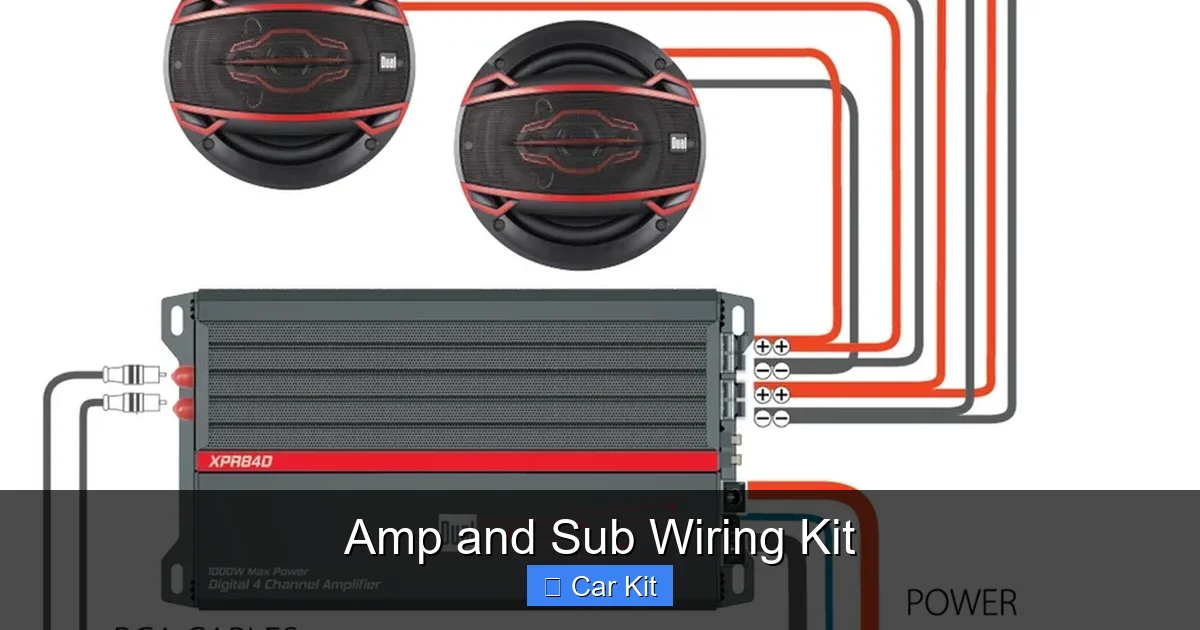
Route power cables along the vehicle’s chassis, keeping them away from heat sources and moving parts. Signal cables can run along the firewall but should be separated from power to avoid interference.
Visual guide about Amp and Sub Wiring Kit
Image source: images.squarespace-cdn.com
3. Connect the Power Cable to the Battery
Strip the battery positive terminal, attach a ring terminal, and secure it with a 3/8‑inch bolt. Use a 1‑inch ferrule to keep the connection tight. Then run the 12‑volt power wire from the battery to the amp, making sure the fuse is placed within 12 inches of the battery.
4. Ground the Amp and Subwoofer
Choose a clean, unpainted metal spot on the chassis. Strip the ground wire, attach a ring terminal, and bolt it in place. A good ground prevents hum and ensures safe operation.
5. Connect the Subwoofer to the Amp
Attach speaker wire to the amp’s sub output terminals. Use the kit’s pre‑cut length or trim to fit your subwoofer’s location. Secure all connections with solder or heat‑shrink for a solid bond.
6. Test Before Final Mounting
With the fuse in place, turn on the system and check for voltage at the amp’s positive terminal. Verify the signal by playing a bass track. If everything sounds clean, you’re ready to mount the components.
7. Secure and Seal
Use zip ties to keep cables tidy. If the kit includes a mounting bracket, attach it to the chassis or dash. Seal any holes with silicone to keep water out.
Common Troubleshooting Tips
- Low voltage or no sound? Check the fuse and battery connection.
- Hum or hiss? Inspect the ground strap; a loose ground is the usual culprit.
- Signal loss in one channel? Verify speaker wire continuity with a multimeter.
- Heat near the amp? Ensure the amp is in a well‑ventilated area and that the power wire is thick enough.
Upgrading for More Power
If you’re aiming for a 3000‑watt amp, consider a 3000 Watt Amp Wiring Kit. The kit will include 8‑gauge wire and a larger fuse to handle the increased current. Always double‑check the amp’s specifications before upgrading.
Conclusion
Installing an amp and sub wiring kit doesn’t have to be a headache. With the right kit, clear instructions, and a bit of patience, you’ll set up a system that delivers deep, clean bass and runs safely for years. Remember the key points: match wire gauge to amp power, secure a solid ground, protect with a fuse, and test before sealing. Your ears—and your battery—will thank you.
Frequently Asked Questions
What gauge wire should I use for a 1200 watt amp?
A 12‑gauge copper wire is typically sufficient for a 1200‑watt amp, but always refer to the manufacturer’s recommendation.
Can I use a stock factory wiring kit?
Factory kits are often limited to lower power levels. For higher wattage amps, a dedicated amp and sub wiring kit is safer and more reliable.
Do I need a fuse for my subwoofer wiring?
Yes. Installing a fuse close to the battery protects your system from short circuits and potential damage.
How do I keep the subwoofer from humming?
Ensure a solid ground connection and keep power and signal cables separate to reduce electromagnetic interference.
Can I upgrade to a 4000 watt amp later?
You can, but you’ll need a larger gauge wire (typically 8‑ or 10‑gauge) and a higher‑capacity fuse. Plan the upgrade early to avoid re‑running cables.
Is it worth buying a complete installer kit?
For most DIY installers, a complete kit saves time, reduces errors, and provides peace of mind with all necessary components included.