Top 10 Best Auto Primer In A Spray Can: Expert Picks You Can Trust
Choosing the best auto primer in a spray can can make a big difference in how well your repair holds up and how smooth the finish looks. This roundup compares top aerosol primers that work on metal, plastic, and properly prepared old surfaces so you can pick the right one for your project. For broader car-care tips, you might also find these guides helpful: Best Auto Car Wash Soap For A Spotless Shine, Best Air Compressors For Auto Detailing, and Best Auto Window Tint For Heat Reduction.
Quick Product Comparison
Our Top 10 Best Auto Primer In A Spray Can Reviews – Expert Tested & Recommended
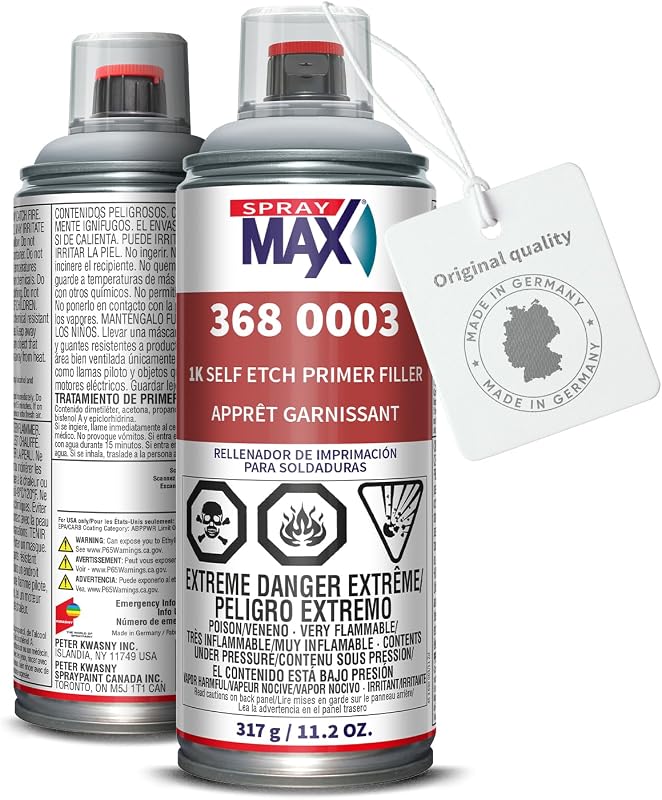
1. SprayMax 1K Self Etching Primer
intro text here (2-3 sentences only)
Key Features That Stand Out
✓ Superior adhesion on metal and aluminum surfaces
✓ Etches the metal for lasting corrosion resistance
✓ Works well on multiple substrate types with minimal sanding
Why We Recommend It
Excellent adhesion and corrosion protection make this primer a reliable base for repairs. It can save time on tricky metal surfaces by improving holdout for topcoats.
Best For
Ideal for steel and aluminum panels, especially when a durable, etched base is needed.
Pros and Cons
Pros:
- Excellent adhesion on challenging metals
- Strong corrosion resistance
- Good coverage for an etching primer
Cons:
- Requires proper ventilation during use
- May require compatible topcoat for best color match
Customer Reviews
Customer Review: “This primer etched well and gave a solid base for my rust repair. Dried quickly and sands smooth.” — Mike P.
Customer Review: ” adhesion was impressive on my steel panels; topcoat laid down cleanly.” — Sara D.
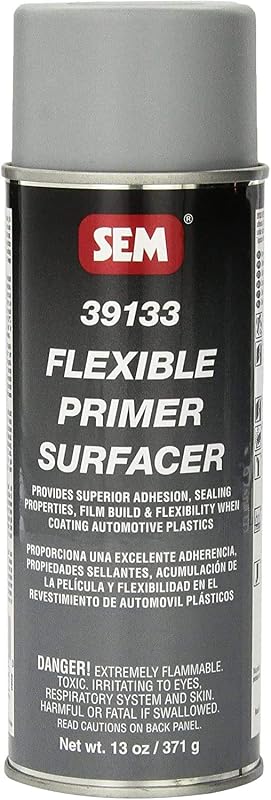
2. SEM 39133 Flexible Primer Surfacer
intro text here (2-3 sentences only)
Key Features That Stand Out
✓ Improves adhesion on hard-to-bond substrates
✓ Sandable surface for easy topcoat application
✓ Flexible formula tolerates minor movement without cracking
Why We Recommend It
Great for repairs where you expect some substrate movement and need a forgiving primer.
Best For
Metal and some plastics where a flexible, dual-purpose primer helps the finish.
Pros and Cons
Pros:
- Flexible adhesion properties
- Sandable and easy to feather
- Good for repairs with varying surfaces
Cons:
- Flash time varies with temperature
- May require multiple coats for heavy corrosion
Customer Reviews
Customer Review: “Feathered nicely and provided a solid base for my topcoat.” — Tom R.
Customer Review: “Not as tough as some high-builds, but great for light to moderate repairs.” — Nina L.
3. SEM 42013 Grey High Build Acrylic Primer

intro text here (2-3 sentences only)
Key Features That Stand Out
✓ High-build capability for metal and plastic
✓ Smooth finish with good sandability
✓ Solid base for topcoats on problem substrates
Why We Recommend It
It delivers a robust base layer that reduces topcoat relief on challenging parts.
Best For
Metal panels and plastics needing a strong build without excessive sanding.
Pros and Cons
Pros:
- Great build and fill
- Long-lasting base for multiple topcoats
- Comfortable to work with for pros and DIYers
Cons:
- May require more drying time in humid conditions
- Can require precise flash times between coats
Customer Reviews
Customer Review: “Built up nicely and sanded smooth after a light guide coat.” — Alex K.
Customer Review: “Solid primer for plastics; topcoat adhered well.” — Gina M.
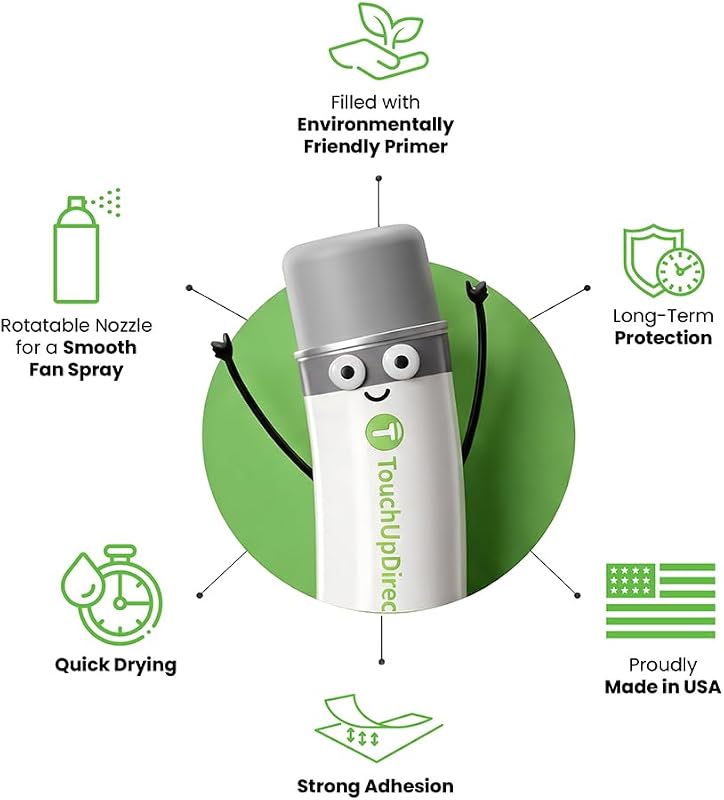
4. TouchUpDirect High Performance Primer Aerosol Spray Can, Pack of 2, Fast Drying
intro text here (2-3 sentences only)
Key Features That Stand Out
✓ Quick-drying formula, ideal for busy shops
✓ Pack of 2 offers economy for frequent projects
✓ Good spray atomization for even coverage
Why We Recommend It
Fast-drying capability helps keep workflow moving, especially in a shop setting.
Best For
DIY projects and light professional work where speed matters.
Pros and Cons
Pros:
- Fast drying
- Economical pack
- Easy to apply with good uniform coverage
Cons:
- May require deeper wetsanding for ultra-smooth finishes
- Some Users report variable spray consistency
Customer Reviews
Customer Review: “Dried fast and laid down a solid base for the topcoat.” — Omar S.
Customer Review: “Two cans pair nicely for larger projects.” — Lisa T.
5. Custom Shop Self Etching Primer Spray, 12.9 oz Gray, Acid Etch Primer for Metal Surfaces

intro text here (2-3 sentences only)
Key Features That Stand Out
✓ Anti-corrosion protection for steel and aluminum
✓ No-sand application with strong adhesion
✓ Direct-to-top-coat capability on ready surfaces
Why We Recommend It
Excellent for projects where you want the etch prime to bite without extra prep work.
Best For
Metal surfaces including galvanized steel and aluminum where rust prevention matters.
Pros and Cons
Pros:
- No sanding required on properly prepared surfaces
- Strong adhesion and corrosion protection
- Good for daily shop use
Cons:
- Limited to compatible substrates
- Thin film may require additional coats for heavy corrosion
Customer Reviews
Customer Review: “Direct-to-top-coat performance saved me time.” — Dave B.
Customer Review: “Etched well on treated metal, topcoat stuck nicely.” — Priya S.
6. SEM 39683 Grey Self Etching Primer
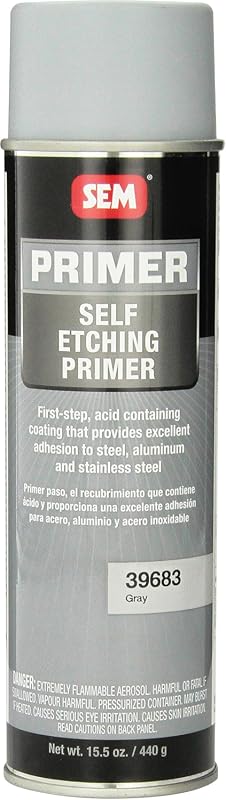
intro text here (2-3 sentences only)
Key Features That Stand Out
✓ Fast-drying performance
✓ Great corrosion protection for metal
✓ Solid base for subsequent coatings
Why We Recommend It
Reliable etching primer with good adhesion for challenging metal surfaces.
Best For
Metal panels and prepared substrates needing a durable base.
Pros and Cons
Pros:
- Excellent adhesion on metal
- Decent build and fill for a self-etching primer
- Widely available
Cons:
- Not ideal for very soft plastics
- May require topcoat compatibility checks
Customer Reviews
Customer Review: “Bonded well to rusted areas and sanded smoothly.” — Karen W.
Customer Review: “A solid primer that behaves nicely under paint.” — Diego R.
7. 249418 Automotive Sandable Primer Spray
intro text here (2-3 sentences only)
Key Features That Stand Out
✓ Black primer with good fill for cosmetic defects
✓ Sandable for smooth topcoat application
✓ Works on metal, plastic, and wood substrates
Why We Recommend It
Provides an excellent base for black or dark topcoats with minimal effort.
Best For
Cosmetic repairs and hidden areas where a black primer helps with shade matching.
Pros and Cons
Pros:
- Nice fill for minor imperfections
- Excellent for dark color bases
- Featherable with sanding
Cons:
- Not ideal for bright color projects
- Requires careful topcoat choice for best finish
Customer Reviews
Customer Review: “Gives a solid base for black paint; easy to sand.” — Chris Y.
Customer Review: “Affordable and effective for small panels.” — Mia J.
8. ProXL XpressBuild Super High Build Black Primer

intro text here (2-3 sentences only)
Key Features That Stand Out
✓ Fills deep sanding marks with a uniform base
✓ Ultra fast-drying for time-sensitive repairs
✓ Bonds well to bare metal and plastics
Why We Recommend It
Ideal for high-build applications where speed and fill are both important.
Best For
Time-conscious body shops and DIYers tackling deep imperfections.
Pros and Cons
Pros:
- High-build capability
- Rapid cure
- Excellent adhesion to multiple substrates
Cons:
- May require longer cure in humid environments
- Bulkier can for portability may be less convenient
Customer Reviews
Customer Review: “Amazing fill; topcoat stuck beautifully.” — Kevin B.
Customer Review: “Fast-drying and easy to sand.” — Olga P.
9. 3M Primer 94
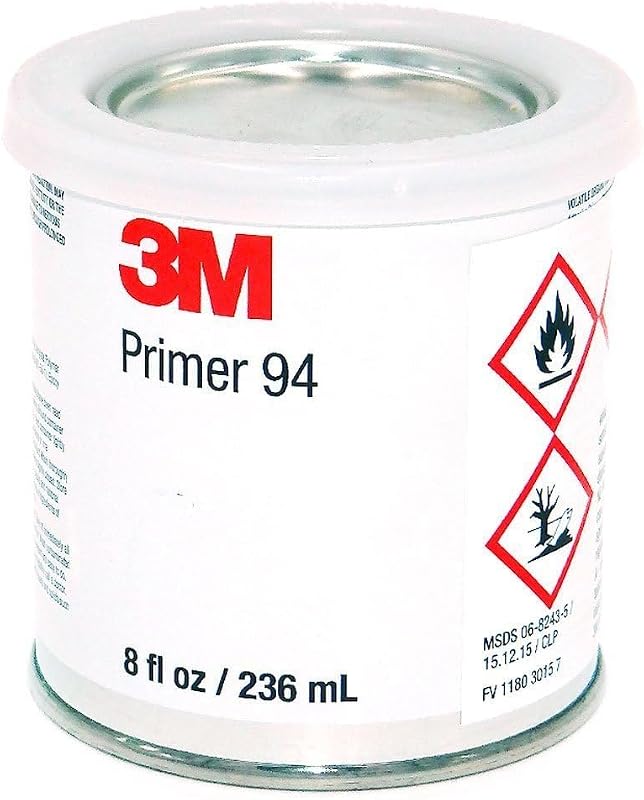
intro text here (2-3 sentences only)
Key Features That Stand Out
✓ Essential for car-wrapping adhesion prep
✓ Reliable for difficult-to-stick substrates
✓ Consistent spray with good atomization
Why We Recommend It
Timely option for wrapping prep where tape adherence matters.
Best For
Substrates like ABS and certain plastics used in wraps.
Pros and Cons
Pros:
- Promotes adhesion for wraps
- Widely available and easy to use
- Good for beginners and pros
Cons:
- Not always ideal for heavy paint systems
- Requires proper ventilation
Customer Reviews
Customer Review: “Simple to apply; wrapped surfaces bonded well.” — Ethan C.
Customer Review: “Solid prep primer for wrapping projects.” — Eva H.
10. Generic HVLP Gravity Spray Gun

intro text here (2-3 sentences only)
Key Features That Stand Out
✓ Versatile spray gun with multiple nozzle settings
✓ Great for base coats, clear coats, and primers
✓ Durable build for repeated use
Why We Recommend It
A reliable tool for achieving consistent spray patterns across primers and topcoats.
Best For
DIY enthusiasts and shop setups needing a flexible sprayer for various coatings.
Pros and Cons
Pros:
- Versatile nozzle options
- Cleaner spray with HVLP tech
- Reasonable price for a multi-tool
Cons:
- Requires practice to master different coatings
- Not a dedicated primer, but versatile for multiple uses
Customer Reviews
Customer Review: “Solid spray gun that handles primers well.” — Jay M.
Customer Review: “Good value for beginners learning spray technique.” — Olivia W.
Conclusion: Selecting the right auto primer in a spray can depends on your substrate, topcoat needs, and how forgiving you want the process to be. If you’re priming bare metal or aluminum, a true etch primer often pays off with better long-term protection, while high-build acrylics help you cover imperfections faster. Always verify compatibility with your topcoat manufacturer and follow proper ventilation and safety guidelines.
Complete Buying Guide for Best Auto Primer In A Spray Can
Essential Factors We Consider
We look at adhesion, corrosion resistance, sandability, drying time, and substrate compatibility. A primer that etches metal can protect against rust, while a high-build formula reduces the need for multiple coats.
Budget Planning
Prices vary by build, brand, and can size. If you’re on a tight budget, consider a reliable mid-range option with good coverage and sanding ease, then allocate funds for compatible topcoat materials.
Final Thoughts
Choose a primer that aligns with your project’s substrate, required durability, and expected repair timeline. A well-chosen primer saves time and yields a more durable finish in the long run.
Frequently Asked Questions
Q: What is the difference between self-etching primers and regular primers?
A: Self-etching primers chemically bond to metal surfaces, offering better adhesion and rust prevention on clean metal, while regular primers rely more on mechanical bonding to the surface.
Q: Do I need to sand between coats of primer?
A: It depends on the product. Some primers are designed to be top-coated directly, while others benefit from light sanding to improve topcoat adhesion.
Q: Can I use any primer on plastic panels?
A: Not all primers work well on plastic. Look for primers specifically labeled for plastic or those with proven adhesion on polyethylene or ABS substrates.
Q: How long should primer dry before painting?
A: Dry times vary by product and temperature. Always follow the manufacturer’s instructions for recoat windows and curing times.
Q: Is an air compressor needed for primers in spray cans?
A: Not required for aerosol primers, but a quality air compressor is helpful for bulk or automotive spray guns when you need more control over spray pattern.
Ready to pick a primer? Compare prices now and choose the option that best fits your project needs. For more car-care tips, revisit our guides on cleaning, air tools, and tint to keep your vehicle in top shape.
Similar Posts
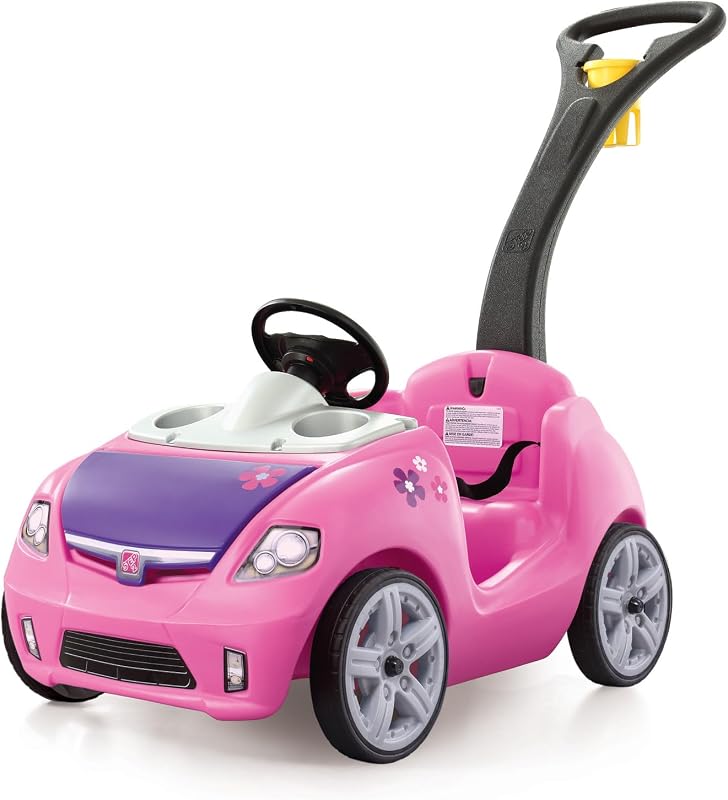
10 Best Ride On Push Car For 1 Year Old: Top Picks for Safe & Fun Play
Finding the right Best Ride On Push Car For 1 Year Old can feel overwhelming for any parent. You want something safe, durable, and fun enough to keep your little one engaged while supporting their developing motor skills. At this age, toddlers are just learning to sit up, balance, and explore their surroundings, so a…
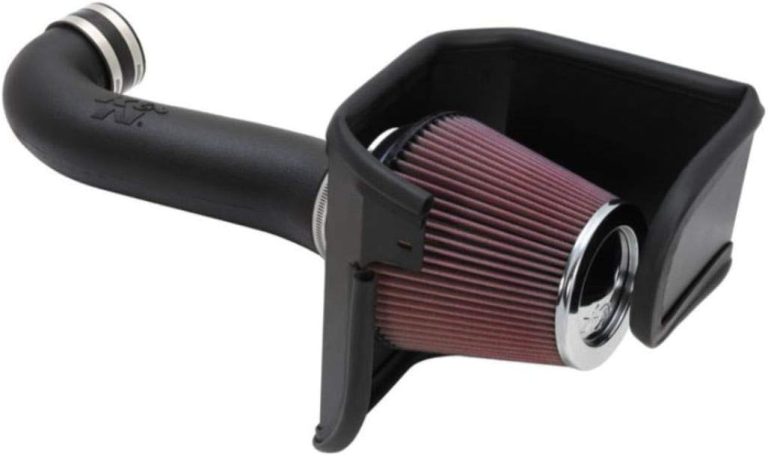
2 Best Cold Air Intakes for Dodge Challenger
Looking to upgrade the breathing for your Best Cold Air Intake For Dodge Challenger? You’re in the right place. A good cold air intake can help improve airflow, throttle response, and the engine note, making your Challenger feel more responsive on daily drives and weekend pulls. In this roundup, we compare two popular options, share…
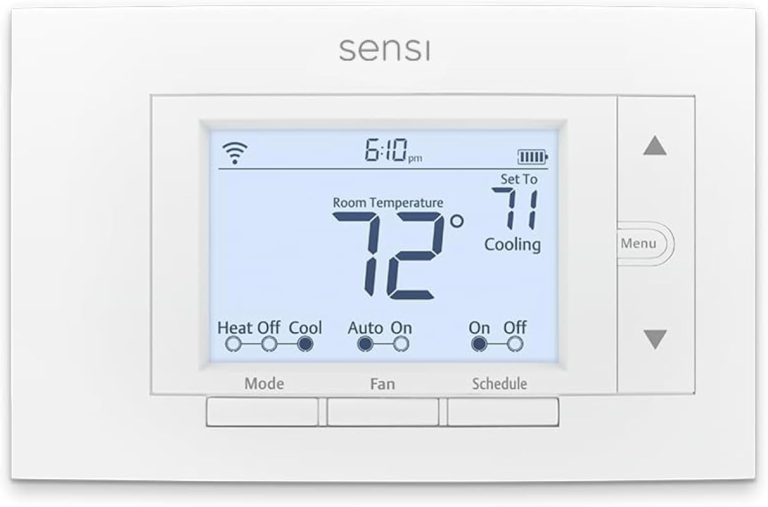
Top 10 Best Thermostat Reviews and Recommendations
Best Thermostat Reviews And Recommendations helps homeowners find energy-saving devices that are easy to install and reliable. In this roundup, we compare the top thermostats on the market, from budget options to premium models with smart features. For broader context, check our guides on Best Honeywell Smart Thermostat Reviews And Features Guide, Best Thermostats For…
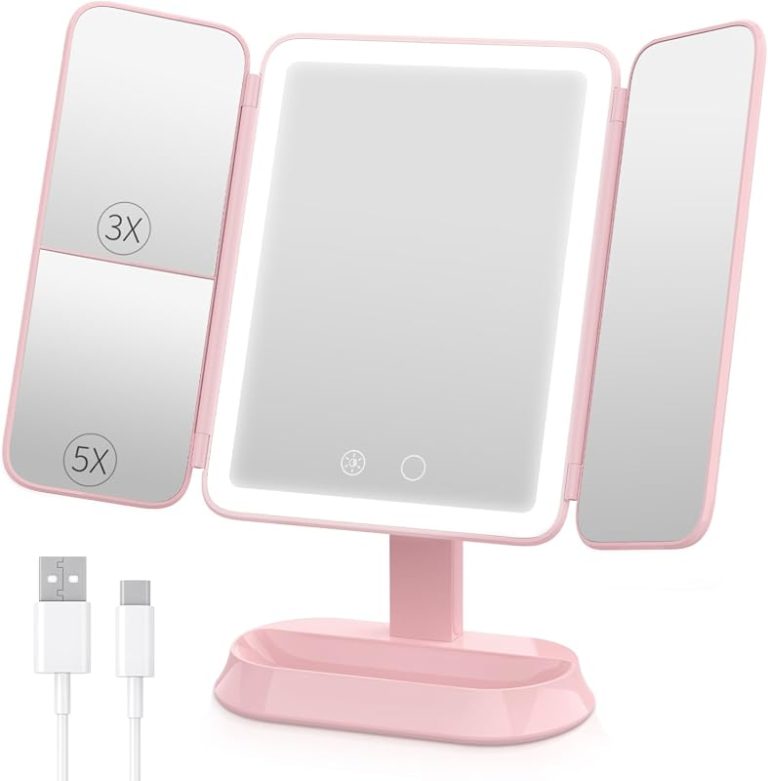
10 Best Mirrors for Every Need: A Comprehensive Expert Review
Best Mirrors For Every Need A Comprehensive Review helps you navigate a crowded market by highlighting mirrors that excel in real-life use. From compact travel trifolds to magnifying desk mirrors, this guide evaluates quality, brightness, and durability so you can choose confidently. Whether you’re prepping for a special occasion or just daily routines, there’s a…
Top 10 Best Tools For Cleaning Inside Of Windshield: Expert Picks
If you’re constantly battling streaks and missed spots when cleaning the inside of your windshield, you’re not alone. The right tool can make interior glass cleaning faster, easier, and more effective. In this roundup, we evaluate the Best Tool For Cleaning Inside Of Windshield options on the market, with real-world insights to help you pick…