A Car Covers the First Half of the Distance
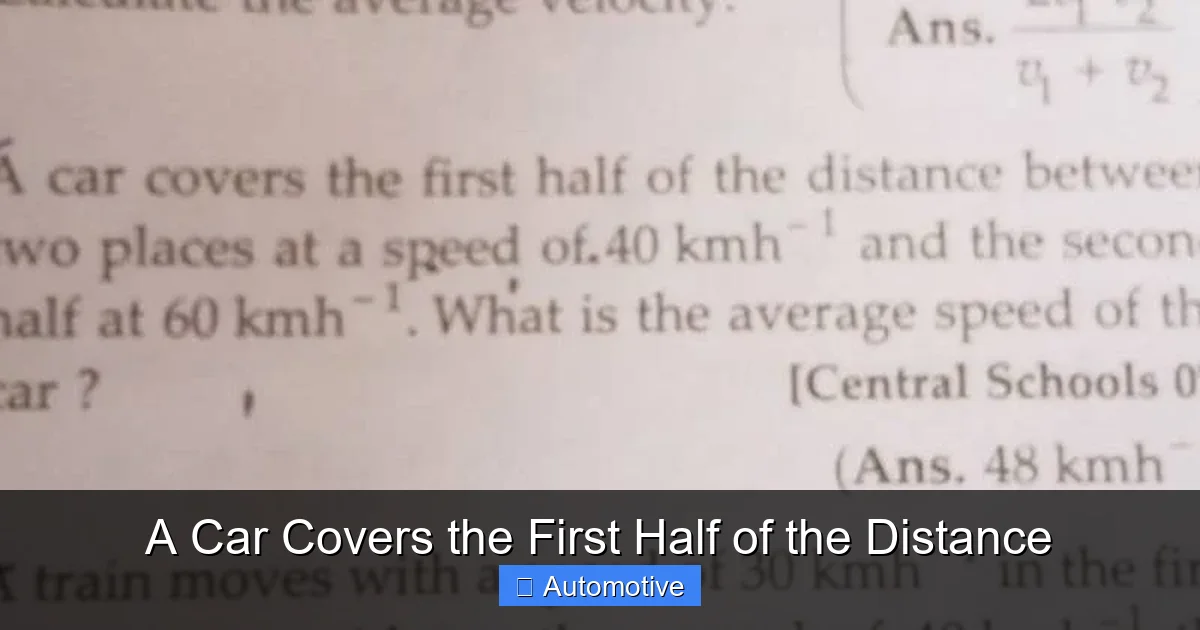
When a car covers the first half of the distance, it establishes the baseline for travel time and fuel consumption. Analyzing speed, road conditions, and vehicle load in this segment helps drivers optimize efficiency and reduce stress.
When you think about a long drive, the first half of the journey often feels like a separate challenge. In this article we explore how a car covers the first half of the distance and what you can do to make that segment as efficient as possible.
Understanding how a car covers the first half of the distance is not just about knowing the mileage. It involves looking at speed, road conditions, vehicle load, and even the type of fuel you use. By breaking down each element, you can plan your trip more accurately and enjoy a smoother ride.
Key Takeaways
- Define the first half distance clearly: Knowing the exact mileage helps in planning fuel stops and time estimates.
- Monitor speed and acceleration: Maintaining a steady speed improves fuel economy and reduces wear.
- Consider road conditions: Traffic, incline, and weather affect how quickly the first half is covered.
- Factor in vehicle load: Extra weight can increase fuel consumption and extend travel time.
- Use fuel efficiency data: Checking the car’s mileage for the first half can guide refueling decisions.
📑 Table of Contents
Understanding the First Half of the Distance
Definition and Importance
The phrase “first half of the distance” simply refers to the initial portion of any trip. For example, if you are driving 200 miles, the first half is the first 100 miles. Recognizing this segment helps you set realistic goals for time and fuel. When a car covers the first half of the distance, it establishes a baseline that influences the rest of the journey.
Another aspect to consider is the psychological effect. When a car covers the first half of the distance, drivers often feel a sense of accomplishment, which can boost morale for the remainder of the trip.
How to Measure It
You can measure the first half using your odometer or a GPS navigation system. Many modern cars display the distance traveled, making it easy to see when you have covered half of the total route. Knowing exactly when a car covers the first half of the distance allows you to check your progress and adjust your driving style if needed.
Some cars have trip computers that automatically track distance. These systems can alert you when you have reached the halfway point, making it easier to monitor progress.
Another way to track the first half is by using a simple stopwatch. Start the timer when you begin your trip and note the time when you have traveled half the distance. This method works well if you do not have a digital odometer.
Factors That Influence the First Half
Speed and Acceleration
One of the biggest factors is how fast you drive. If you accelerate quickly, you may cover the first half faster, but you will also use more fuel. Maintaining a steady speed, around 55 to 65 miles per hour on highways, often yields the best balance between time and fuel efficiency. When a car covers the first half of the distance at a constant speed, the engine runs smoother and consumes less fuel.
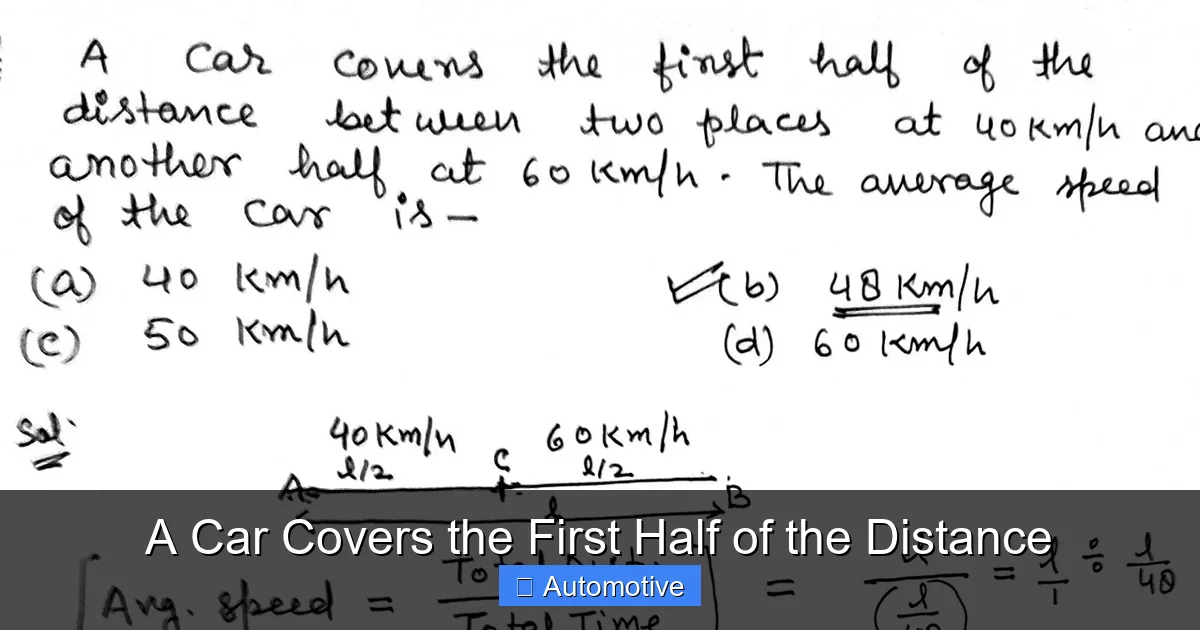
Visual guide about A Car Covers the First Half of the Distance
Image source: i.ytimg.com
In city driving, frequent acceleration and deceleration can increase fuel consumption by up to 30%. Therefore, planning a route with fewer stops is beneficial.
Aerodynamic drag increases with speed, so keeping windows closed and removing roof racks can improve efficiency when a car covers the first half of the distance.
Road Conditions
The type of road also plays a role. City streets with frequent stops and starts will slow down the progress, while open highways allow for a more consistent pace. Construction zones, traffic jams, and steep inclines can all affect how quickly a car covers the first half of the distance. Being aware of these conditions helps you choose the best route.
If you encounter a steep hill, the engine must work harder, which can reduce fuel efficiency. Knowing the elevation profile helps you anticipate these challenges.
Driving at night can reduce visibility, which may require you to slow down, affecting how a car covers the first half of the distance. Ensure your headlights are working properly.
Vehicle Load and Fuel Type
The weight of your car, including passengers and cargo, impacts performance. A heavier load requires more power, which can increase fuel consumption and extend the time needed to cover the first half. Additionally, using the correct fuel type is crucial. For instance, if you drive a Toyota Rav4, checking what kind of gas does a Toyota Rav4 take ensures optimal engine performance. Similarly, understanding how far half a tank can get you helps you plan refueling stops before you reach the halfway point. If you are towing a trailer, knowing the towing capacity of a Toyota Rav4 is essential to avoid straining the vehicle.
In addition to fuel type, the weight of the vehicle affects braking distance and handling. Ensuring that your car is not overloaded improves safety.
Weather conditions such as rain, snow, or strong winds can significantly affect how a car covers the first half of the distance. Wet roads reduce traction, forcing you to drive slower, while headwinds increase air resistance, which can lower fuel efficiency. Checking the forecast before you leave helps you prepare for these challenges.
Calculating Time and Fuel for the First Half
Basic Formulas
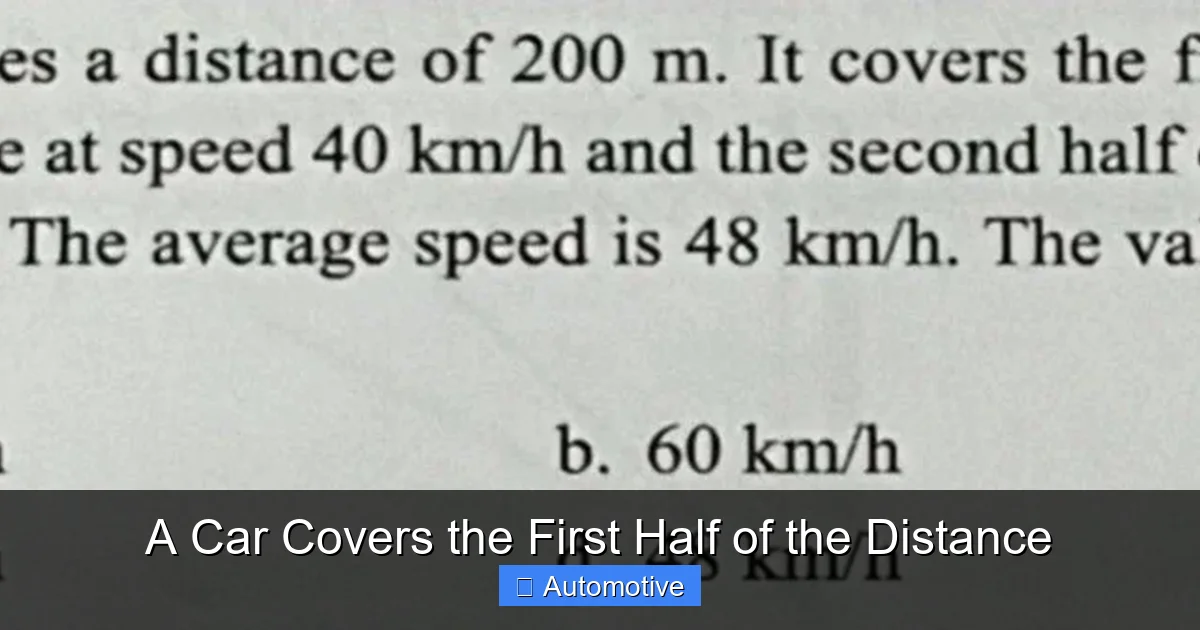
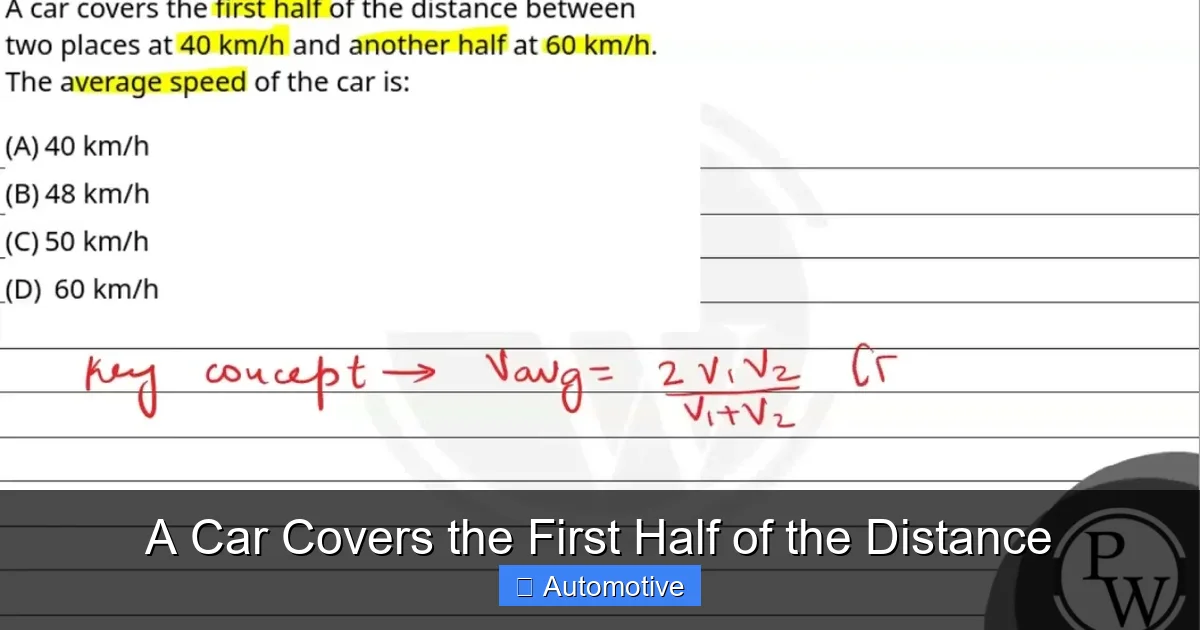
To estimate the time needed to cover the first half, use the formula: time equals distance divided by speed. For fuel, multiply the distance by the car’s miles per gallon ( MPG ) rating, then divide by the tank size. These simple calculations give you a rough idea of how a car covers the first half of the distance in terms of both time and fuel.
Visual guide about A Car Covers the First Half of the Distance
Image source: storage.googleapis.com
You can also use online calculators to estimate time and fuel. These tools often include variables for traffic and weather, providing a more accurate prediction.
When using formulas, be consistent with units. Use miles for distance and hours for speed to get time in hours.
Real-World Example
Imagine you are driving 300 miles at an average speed of 60 mph. The first half is 150 miles. At 60 mph, it will take 2.5 hours to reach the halfway point. If your car gets 30 MPG, you will use 5 gallons of fuel for that segment. This example shows how a car covers the first half of the distance and helps you plan for a fuel stop if needed.
If your car has a fuel gauge, watch it closely as you approach the halfway mark. This helps you decide whether to refuel before or after the midpoint.
For those who prefer a more detailed approach, creating a simple spreadsheet can help you track distance, speed, and fuel consumption. By entering your planned route, the spreadsheet can calculate estimated time and fuel needed for the first half, making it easier to compare different scenarios.
If you are driving a shorter distance, say 100 miles, the first half is 50 miles. At 50 mph, it would take one hour, and fuel usage would be lower.
Practical Tips to Optimize the First Half
Planning and Navigation
Use a reliable GPS to choose the fastest route. Avoid roads with heavy traffic or construction when possible. By selecting a path with fewer stops, you can ensure that a car covers the first half of the distance more quickly and with less fuel consumption.
Visual guide about A Car Covers the First Half of the Distance
Image source: i.ytimg.com
Consider leaving early to avoid rush hour. A less crowded road allows you to maintain a steady speed, which is ideal for covering the first half efficiently.
Sometimes taking a slightly longer route with less traffic can result in a faster overall time for the first half.
Vehicle Maintenance
Regular maintenance, such as checking tire pressure, changing the oil, and replacing air filters, improves efficiency. A well-maintained engine runs smoother, which helps when a car covers the first half of the distance. Proper tire inflation reduces rolling resistance, saving fuel and reducing wear.
Don’t forget to check your tire pressure before a long trip. Underinflated tires increase drag, which can reduce fuel economy.
Using the recommended oil grade helps the engine run efficiently, especially when a car covers the first half of the distance.
Driving Techniques
Adopt smooth driving habits. Accelerate gently, maintain a steady speed, and anticipate stops to reduce braking. These techniques not only improve safety but also enhance fuel economy. When a car covers the first half of the distance with consistent driving, you will notice better mileage and less engine strain.
Using cruise control on highways can help maintain a constant speed, reducing the tendency to accelerate unnecessarily.
Smooth braking not only saves fuel but also reduces wear on brake pads.
In addition to GPS, there are mobile apps specifically designed for road trips. These apps can track your progress, remind you to take breaks, and even suggest nearby rest stops. Using such tools ensures that you stay focused on the road while still monitoring how a car covers the first half of the distance.
Technology and Tools for the First Half
GPS and Navigation Apps
Modern smartphones come with navigation apps that can calculate the exact point where a car covers the first half of the distance. These apps provide real-time traffic updates, helping you avoid delays. By using technology, you can stay informed and adjust your route on the fly.
Many apps also provide estimated time of arrival, which updates as you progress. This feature helps you manage expectations for the remainder of the journey.
Downloading offline maps ensures you have navigation even without cellular data, which is useful when a car covers the first half of the distance in remote areas.
Fuel Tracking Devices
Some vehicles have built-in fuel tracking systems that display how much fuel remains and estimate the remaining range. When a car covers the first half of the distance, these tools can alert you when it is time to refuel. They also help you monitor fuel consumption patterns over time.
Some vehicles have a fuel efficiency display that shows miles per gallon in real time. Monitoring this can encourage more economical driving.
Aftermarket fuel tracking devices can be installed if your car does not have a built-in system.
Telematics and Diagnostics
Advanced telematics systems record speed, acceleration, and engine performance. Reviewing this data after a trip reveals how efficiently a car covers the first half of the distance. You can then make adjustments for future journeys, such as altering your departure time or driving style.
By reviewing trip data, you can identify patterns such as frequent hard braking or rapid acceleration. Addressing these habits improves overall efficiency.
Looking ahead, autonomous driving features may soon help optimize the first half of your journey. Adaptive cruise control can automatically adjust your speed to maintain a safe distance, potentially improving fuel efficiency. As these technologies become more common, they will offer new ways to manage the first half of any trip.
Some telematics systems allow you to share trip data with others, which can be helpful for fleet management.
Conclusion: Making the First Half Work for You
In summary, understanding how a car covers the first half of the distance is key to a successful trip. By considering speed, road conditions, vehicle load, and fuel type, you can make informed decisions that save time and money. Implement the tips discussed, and you will find that the first half of your journey sets a positive tone for the rest of the drive. Remember, a little planning goes a long way in ensuring that a car covers the first half of the distance efficiently and comfortably.
By applying these strategies, you can transform the first half of your trip from a potential bottleneck into a smooth, efficient segment. The knowledge gained will also benefit future journeys, making each drive more enjoyable.
Remember that every trip is unique, so feel free to adjust these guidelines based on your specific vehicle and driving style. With practice, you will develop a natural sense of how a car covers the first half of the distance, making each drive smoother and more enjoyable.
Each trip provides an opportunity to learn and refine your approach to covering the first half of the distance.
Frequently Asked Questions
What does it mean when a car covers the first half of the distance?
It refers to the initial segment of any trip, such as the first 100 miles of a 200‑mile journey. Recognizing this point helps you plan fuel stops and estimate travel time.
How can I calculate the time for the first half?
Divide the half‑distance by your average speed. For example, 150 miles at 60 mph equals 2.5 hours.
What factors affect how quickly a car covers the first half?
Speed, road conditions, vehicle load, and fuel type all play a role. Traffic, weather, and incline can slow progress, while steady speed improves efficiency.
How does fuel type influence the first half distance?
Using the correct fuel ensures optimal engine performance and can improve mileage, helping you cover the first half with fewer refueling stops.
Can towing a trailer change the first half performance?
Yes, towing adds weight and drag, which increases fuel consumption and may extend the time needed to reach the halfway point.
What driving habits improve efficiency for the first half?
Smooth acceleration, steady speed, gentle braking, and using cruise control help maintain fuel economy and reduce engine strain.