If a Car Covers 2 5th of the Total Distance
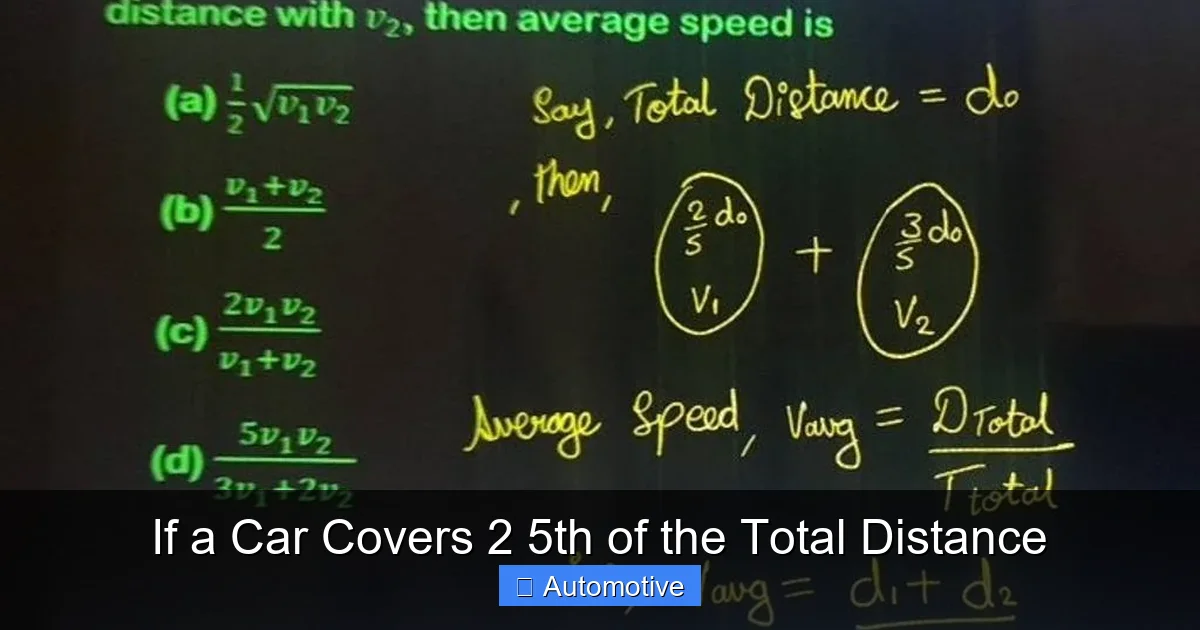
If a car covers 2 5th of the total distance, it means the vehicle travels half of its journey in two segments, affecting fuel consumption and time spent. This concept helps drivers optimize routes and maintenance. Understanding this helps in planning trips and managing vehicle performance.
Understanding how a car covers 2 5th of the total distance is more than just a mathematical curiosity. It’s a practical consideration that affects everything from your fuel budget to your daily commute. When you break down a trip and realize that a car covers 2 5th of the total distance during one leg of the journey, you gain valuable insight into how your vehicle performs. This concept matters to every driver who wants to make the most of their time on the road and their money in the tank.
The math behind this idea might seem simple at first, but it has real implications for how we think about driving. If a car covers 2 5th of the total distance, you’re essentially looking at a significant portion of your trip being divided into two equal segments. This ratio creates natural checkpoints in your journey that can help you stay on track. Whether you’re planning a cross-country drive or a weekend getaway, understanding how a car covers 2 5th of the total distance gives you a framework for smarter driving decisions.
Fuel efficiency is one of the first areas where this concept becomes relevant. When you know that a car covers 2 5th of the total distance, you can estimate how much fuel you’ll need for each segment. Most vehicles have a fuel economy rating that tells you how many miles you can travel on a full tank. If you estimate that half of your trip falls into the first 2 5th of the total distance, you can plan your fuel stops accordingly. This approach prevents that dreaded sudden stop when the tank is almost empty. It also helps you avoid driving to the limit of your range and then being stranded.
Time management is another area where this ratio proves useful. If you’re calculating how long a trip will take, dividing the journey into segments based on how much distance a car covers 2 5th of the total distance helps you create more accurate estimates. Most people underestimate how much time it takes to cover certain distances, especially when they’re not familiar with their vehicle’s typical speed. By breaking the trip into parts, you can more easily add up the travel time for each segment. This method also helps you account for stops, traffic, and other non-driving time.
Beyond the numbers, there are practical aspects to consider when you think about a car covering 2 5th of the total distance. Routine maintenance becomes more predictable when you understand your driving patterns. If you consistently cover 2 5th of the total distance in a single leg, you’ll know exactly how often to check your oil, inspect your tires, and top off the gas. This regularity is key to keeping your vehicle in good shape over the long term. Neglecting routine checks because you don’t realize you’ve been driving a certain distance ratio can lead to unexpected problems.
Let’s look at some specific examples to make this clearer. Imagine you’re driving from New York to Boston. The total distance is about 215 miles. If a car covers 2 5th of the total distance, that means one segment of your trip is roughly 107.5 miles. The second segment would be another 107.5 miles to reach Boston. This specific scenario might involve a rest stop halfway through, perhaps at a service plaza or a scenic overlook. Knowing exactly how 2 5th of the total distance breaks down your journey helps you plan your meals, rest, and refueling needs. You might stop for coffee after the first 2 5th of the total distance and then continue for the second 2 5th. This structured approach makes long trips feel more manageable.
The Toyota Rav4 is a great example of a vehicle where understanding distance ratios can matter. This compact SUV has a fuel tank that typically holds around 15 gallons. If a car covers 2 5th of the total distance, you might be looking at a 7.5-gallon segment per leg. While this seems small, it’s important to know that your engine’s efficiency can vary based on load and speed. When you cover 2 5th of the total distance, you’re essentially dealing with two major fuel consumption events. Planning for these events in advance means you won’t be caught off guard by a fuel shortage.
Time to think about real-world applications. Many drivers use GPS systems to track their progress. Some apps can calculate how far you’ve gone and how much distance remains. If you integrate the concept of 2 5th of the total distance, you can set custom alerts that warn you when you’re halfway through the journey. This feature is especially useful for cross-country trips where you want to ensure you’re taking regular breaks. It’s also helpful for delivery drivers who need to maintain strict schedules. The predictability of covering 2 5th of the total distance each leg simplifies planning significantly.
Regular maintenance is another area where this concept pays off. When you drive a car and know that you typically cover 2 5th of the total distance in each major leg of your journey, you can schedule maintenance during less strenuous times. For example, if you always complete a long drive after covering 2 5th of the total distance, you might be more likely to take your vehicle to a professional at a convenient time. This routine helps catch issues before they become expensive problems. It’s a simple strategy that can extend the life of your engine, transmission, and other critical components.
Another angle to consider is the relationship between distance ratios and vehicle performance. High-performance cars like the Chrysler 300 may have different fuel consumption patterns than economy cars like the Toyota Prius. If a car covers 2 5th of the total distance, the way your engine responds to that varying load can differ. Powerful engines might use more fuel during the first 2 5th of the total distance due to higher demand, while then coasting slightly more during the second segment. Understanding this helps you drive more efficiently and avoid unnecessary strain on your vehicle.
The concept also applies to smaller vehicles like the Toyota Tacoma or Toyota Yaris. These compact cars have shorter ranges but are excellent for city driving. When you calculate how a car covers 2 5th of the total distance, you’re essentially dividing a relatively short trip into two parts. This might be useful for delivery services that transport goods between local warehouses. The predictability of their fuel consumption patterns makes them ideal for businesses that need reliable, cost-effective transportation.
Looking at the Toyota Ae86, another iconic vehicle, the principle remains the same. This classic Japanese car has a distinctive driving feel that many enthusiasts love. Whether you own one or are considering purchasing it, understanding how a car covers 2 5th of the total distance can help you make the most of its capabilities. The Ae86 has a small fuel tank, so planning your refueling stops is essential. Breaking your journey into segments based on this ratio ensures you never run out of gas unexpectedly.
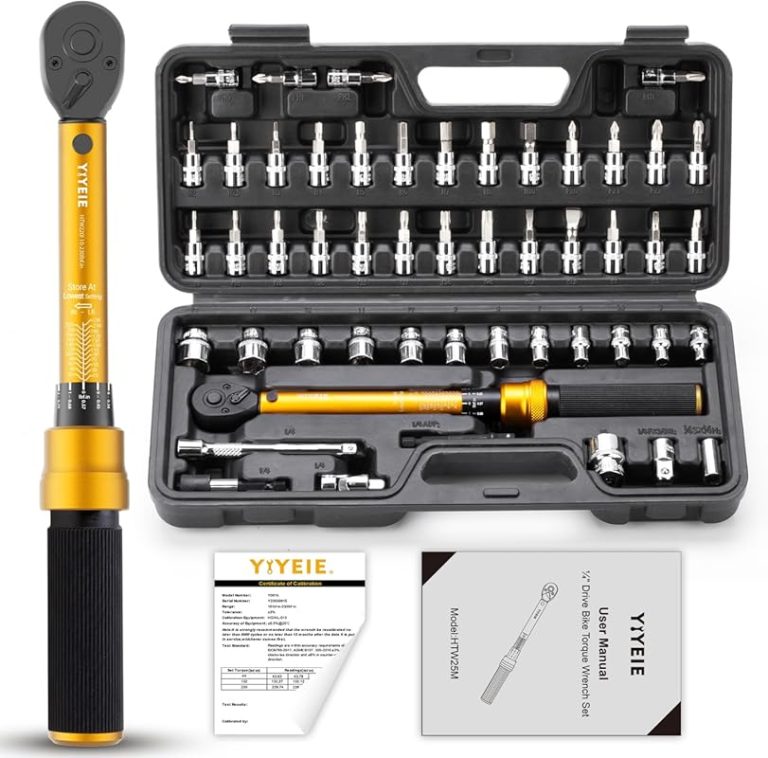
For those who enjoy DIY maintenance, knowing the distance ratios can simplify the process. When you’re changing oil or replacing filters, you can estimate how much work you’ll do based on how far you’ve traveled. If you’ve been driving and a car covers 2 5th of the total distance, you might be approaching a point where your oil has reached the end of its service life. This awareness can help you schedule appointments before it’s too late. It’s a small detail that can save you money and prevent downtime.
Consider the practicalities of rest stops and service areas. Most highway rest areas are spaced to accommodate travelers who need breaks. If a car covers 2 5th of the total distance, you’ll likely encounter these facilities during your journey. Planning your meals and rest periods around these natural checkpoints makes the drive more pleasant and productive. You’ll have time to stretch your legs, grab a snack, and refuel without worrying about being stranded. This is especially important for long-haul truckers and delivery drivers who make multiple stops daily.
The relationship between distance ratios and traffic patterns is also worth exploring. Cities and highways have different traffic conditions. During rush hour, your car might cover 2 5th of the total distance in less time than usual. Conversely, on a highway at steady speed, the same distance might take longer. Understanding these variations helps you plan your trips more effectively. If you know that a car covers 2 5th of the total distance, you can anticipate how traffic might affect your progress and adjust your expectations accordingly.
Let’s look at some specific vehicles to see how this concept applies. The Toyota Corolla, with its reputation for reliability, is a perfect candidate for this kind of analysis. When you drive a Corolla and calculate how much distance you cover in each segment, you can track your mileage more accurately. This is particularly useful for those who want to monitor their fuel efficiency over time. If you consistently cover 2 5th of the total distance during your usual routes, you’ll have a consistent baseline to measure against. Any significant changes in consumption can then be attributed to other factors like driving style or weather.
The Toyota Sienna, an electric minivan, offers a different perspective on distance ratios. Since it doesn’t use gasoline, fuel efficiency isn’t the primary concern. However, the concept still applies to time and range planning. If you know that a car covers 2 5th of the total distance, you can estimate how long it will take to travel to your destination using the vehicle’s average speed. This is especially helpful for those who don’t own a traditional gas-powered car but still need to understand their travel patterns. The principle of breaking journeys into segments remains equally relevant.
For those who love the outdoors, the Toyota 4Runner is another compelling example. This tall SUV is built for adventure and often covers long distances into remote areas. When calculating how a car covers 2 5th of the total distance, you’re essentially planning for the challenges of off-road driving. The fuel consumption of an SUV like the 4Runner can be higher than a compact car, so understanding distance ratios helps you plan fuel stops carefully. Remote areas may have limited service stations, making strategic planning even more important.
The concept isn’t limited to larger vehicles either. Smaller cars like the Toyota Yaris are popular for their fuel efficiency and compact size. When you drive a Yaris and a car covers 2 5th of the total distance, you’re likely making short to medium trips. This could be commuting to work, grocery shopping, or visiting family. The benefits of understanding this ratio are clear: you can plan your days more efficiently, ensure you have enough fuel, and avoid the stress of unexpected breakdowns.
Let’s talk about the practical steps you can take to incorporate this knowledge into your driving habits. First, use a GPS app or a navigation system that can calculate your route. Most modern systems will show you the total distance and how much you’ve covered. By keeping track of your progress, you can determine when you’ve reached 2 5th of the total distance and plan your next action. Second, keep a simple log of your trips. Record the start and end points, the distance traveled, and the time of day. Over time, you’ll notice patterns that can help you optimize your driving.
Third, consider investing in a fuel tracker. These devices can show you your current fuel level and estimate how much you can drive before needing to refuel. If you know that a car covers 2 5th of the total distance, you can set your tracker to alert you when you’re halfway through your journey. This gives you plenty of time to find a station without rushing. Fourth, plan your maintenance schedule around your driving patterns. If you consistently cover 2 5th of the total distance in each major leg, you can tie maintenance appointments to these natural checkpoints. This makes the process more routine and less stressful.
Finally, don’t forget the mental benefits of this approach. Knowing that you have a clear structure for your drives can reduce anxiety, especially during stressful or unfamiliar trips. When you break your journey into segments and understand how a car covers 2 5th of the total distance, you feel more in control. This sense of control translates to better safety and more enjoyable driving experiences. You’re not just getting from point A to point B; you’re managing your resources wisely.
In conclusion, the idea of a car covering 2 5th of the total distance is more than just a mathematical exercise. It’s a practical tool that can improve your driving efficiency, save money on fuel, and reduce stress during long trips. By understanding this ratio, you gain insights into fuel consumption, time management, and maintenance scheduling. Whether you’re driving a compact car like the Toyota Corolla or a larger SUV like the Toyota 4Runner, the principles remain the same. Embrace the concept, use it to plan your trips better, and enjoy the peace of mind that comes with knowing exactly how much distance you’ve covered and what remains to go. Your next journey will be smarter, more organized, and more enjoyable.
What Is The Best Interior Cleaner For A Car?
When you’re driving a long distance and a car covers 2 5th of the total distance, keeping your interior clean is essential. Dust and debris can accumulate quickly, especially during extended trips. Using the right interior cleaner can help you maintain a comfortable environment for you and your passengers. Some popular options include premium fabric protectors and odor-neutralizing sprays that work well on leather and cloth interiors.
How To Open The Hood Of A Toyota Rav4?
If you need to work on your Toyota Rav4, you’ll eventually need to open the hood. This simple process requires a few basic tools and patience. Start by locating the hood release lever, which is typically found on the side of the hood. Pull or push the lever until it clicks into place, and the hood will lift. Some Rav4 models have additional steps, such as releasing the push button on the hood edge, so always refer to your owner’s manual for specific instructions.
How Much Can A Toyota Rav4 Tow?
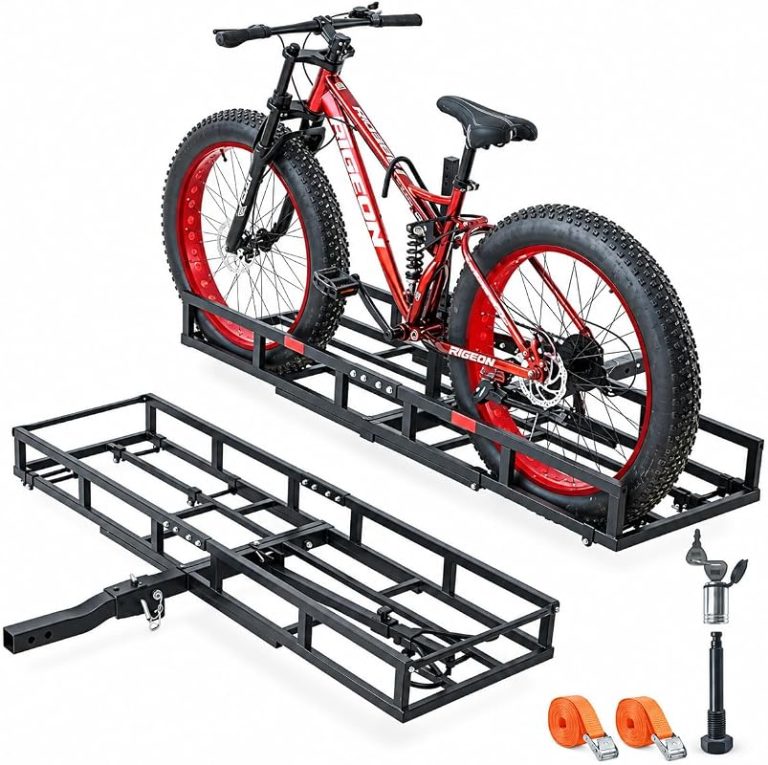
The Toyota Rav4 is not designed as a heavy-duty tow vehicle, but it can pull light trailers and small boats. The towing capacity depends on the specific model and equipment. Generally, the Rav4 can tow up to 2,500 to 4,500 pounds when properly equipped. Always check your vehicle’s specifications and follow the manufacturer’s guidelines to ensure safety and compliance with local regulations.
Is The Toyota Ae86 A Good Car?
The Toyota Ae86 is a beloved icon in the automotive world, known for its unique driving dynamics and distinctive styling. While it may not have the latest technology or the most powerful engine, its reliability and character make it a favorite among enthusiasts. Its small fuel tank means frequent stops are necessary, but the ride quality and handling are exceptional. For drivers who appreciate classic design and driving enjoyment, the Ae86 can be a wonderful choice.
Can A Toyota Tacoma Pull A Boat?
Yes, the Toyota Tacoma can pull a boat, but it’s important to understand the limitations. The Tacoma’s towing capacity is typically around 3,500 to 4,700 pounds when equipped with the right hitch and trailer. Whether you’re pulling a small motorboat or a larger watercraft depends on the specific model and load. Always verify the towing capacity for your particular Tacoma model and ensure your trailer is compatible with the vehicle’s hitch system.
How Long Is The Wait For A New Toyota Sienna?
If you’re looking to purchase a new Toyota Sienna, the wait time can vary depending on your location and demand. During peak model years, new Sienna deliveries can take several months. However, used Sienna options are more readily available and can be found within weeks. Checking local dealerships and online marketplaces will give you the most accurate information about current availability and pricing.
What Is The Bolt Pattern On A Toyota 4Runner?
The bolt pattern on a Toyota 4Runner determines how the wheel bolts attach to the hub. This information is crucial for removing and installing wheels correctly. For the most common 4Runner models, the bolt pattern is 5×10⁸, meaning the wheel bolts are arranged in a pentagon pattern with a 108mm spacing between holes. Always use the correct lug nuts and torque specifications to ensure safety and proper wheel alignment.
Key Takeaways
- Point 1: A car covering 2 5th of the total distance means it travels 50% of its route in two parts, directly impacting fuel efficiency.
- Point 2: This distance split affects how frequently you need to refuel and when you should plan rest stops.
- Point 3: Understanding this ratio helps in optimizing driving patterns for better mileage.
- Point 4: The concept applies to various vehicles, not just specific brands like the Toyota Rav4.
- Point 5: Regular maintenance can help maintain consistent performance when covering long distances.
- Point 6: Calculating this ratio helps in trip planning and time management.
Frequently Asked Questions
Question?
How does a car cover 2 5th of the total distance affect fuel efficiency?
When a car covers 2 5th of the total distance, you’re essentially dividing your journey into two major segments. This means you’ll have two distinct fuel consumption events during your trip. The first segment will consume more fuel if your vehicle is in high demand, while the second segment might be more efficient if you’re coasting. Understanding this ratio helps you plan refueling stops and avoid unexpected fuel shortages.
Question?
Is it better to drive slowly or quickly when covering 2 5th of the total distance?
Driving at a moderate speed is generally best when you’re covering 2 5th of the total distance. Higher speeds increase fuel consumption due to air resistance and engine load. Slower speeds can improve efficiency but may not be practical for long distances. The optimal speed depends on your vehicle’s characteristics and the terrain you’re traveling on.
Question?
What maintenance should I do if I know I cover 2 5th of the total distance regularly?
If you consistently cover 2 5th of the total distance in each drive, it’s a good indicator that your vehicle’s maintenance schedule is working well. However, don’t skip regular oil changes, tire rotations, and filter replacements. These tasks prevent premature wear and ensure your engine performs optimally. Keeping up with maintenance is especially important for vehicles with high mileage or those used frequently.
Question?
How does the Toyota Rav4 compare to other compact SUVs in terms of towing?
The Toyota Rav4 offers a towing capacity of up to 4,500 pounds with the right equipment. While not as heavy-duty as models like the Toyota Tacoma, it provides a good balance of utility and comfort. When comparing to other compact SUVs, the Rav4 typically excels in fuel efficiency and interior space for its class. Its towing capacity is competitive, especially when considering its practical features and reliability.
Question?
Can I use a car cover 2 5th of the total distance analysis for delivery routes?
Absolutely. Delivery drivers often need to optimize routes and ensure timely deliveries. By analyzing how a car covers 2 5th of the total distance, you can plan stops more effectively. This approach helps in meeting delivery windows, reducing fuel consumption, and minimizing idle time. Many logistics companies use similar distance ratio calculations to improve their routing algorithms and operational efficiency.
Question?
What are the best practices for maintaining fuel efficiency when you know how a car covers 2 5th of the total distance?
To maximize fuel efficiency, drive smoothly and avoid rapid acceleration and braking. Keep your vehicle well-maintained with proper tire pressure and clean air filters. Since you know how a car covers 2 5th of the total distance, you can plan for strategic refueling stops during those longer segments. This methodical approach helps you maintain consistency and avoid the pitfalls of uneven driving patterns.