Car Air Conditioning Repair Service Near Me
When your car’s air conditioning fails, finding a trustworthy repair service nearby can save you time and money. This guide explains common AC issues, signs you need professional help, and how to choose a reliable technician. Learn what to expect from a quality service and how to keep your system running cool.
When the temperature climbs, a malfunctioning car air conditioning system can turn a simple commute into a sweaty ordeal. If you’ve been typing “car air conditioning repair service near me” into your phone, you’re not alone. This guide will help you understand what might be wrong, when to attempt a fix yourself, and how to choose a trustworthy local technician. By the end, you’ll feel confident about getting your AC back to blowing cold air.
Before diving into repairs, it’s helpful to recognize the warning signs that your system is struggling. In the next section, we’ll detail the most common symptoms and what they typically indicate about your vehicle’s AC health.
Key Takeaways
- Early warning signs: Weak airflow, warm air, strange noises, or odd odors indicate your AC needs attention.
- Common causes: Low refrigerant, clogged cabin filter, faulty compressor, blocked condenser, or electrical problems.
- DIY checks vs professional service: You can inspect fuses and connections, but refrigerant handling requires a certified technician.
- Choosing a reliable shop: Look for ASE certification, read reviews, and ask for a detailed estimate.
- Warranty and guarantees: A reputable shop offers parts and labor warranties for peace of mind.
- Regular maintenance extends AC life: Run the AC weekly, replace filters on schedule, and keep the condenser clean.
📑 Table of Contents
Signs Your Car AC Needs Attention
Many drivers ignore small oddities, but early detection can save both time and money. Here are the top indicators that your car’s air conditioning requires a professional inspection:
Weak or No Cold Air
One of the most obvious signs is a noticeable reduction in cooling power. If the air blowing from the vents feels lukewarm or only slightly cool, the system may be low on refrigerant or have a blocked expansion valve.
Strange Noises
Clicking, squealing, or grinding sounds when you turn the AC on often point to a failing compressor or a loose belt. These noises should not be ignored, as they can lead to complete system failure.
Unusual Odors
A musty smell when you first start the AC usually indicates mold or bacteria growth in the evaporator core. This can be addressed by cleaning the system or replacing the cabin air filter.
Fluctuating Temperatures
If the air temperature swings between cold and warm while driving, the thermostat or blend door actuator may be malfunctioning. A proper diagnostic can pinpoint the exact component.
Common Causes of AC Failure
Understanding the root causes helps you communicate effectively with your mechanic. The following issues are responsible for the majority of AC repairs:
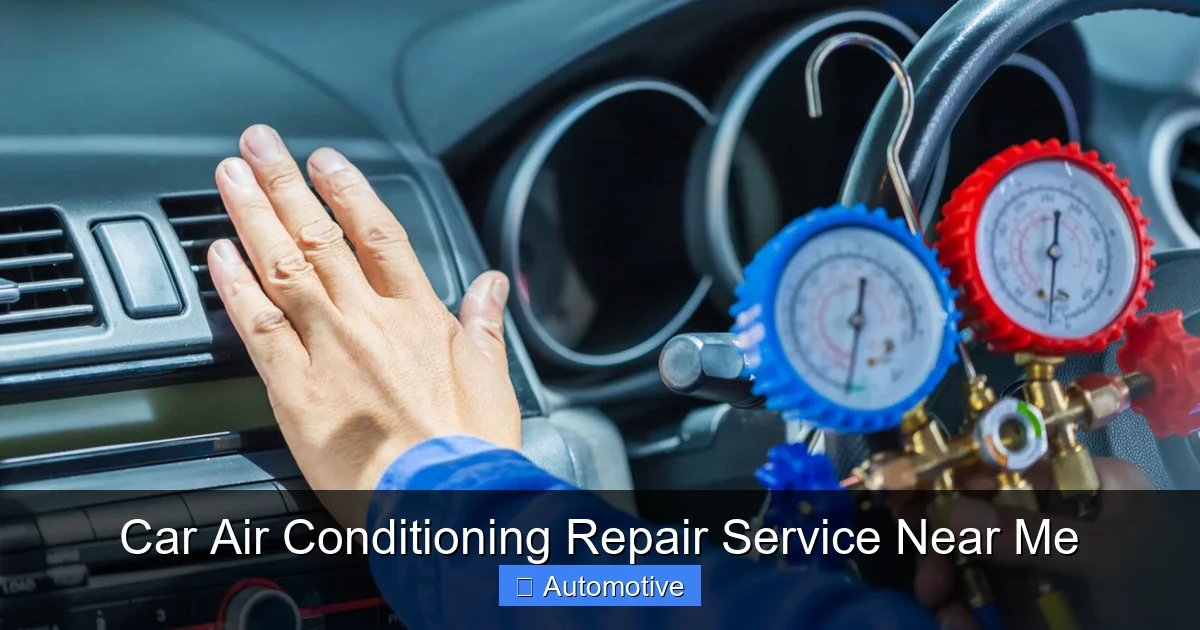
Visual guide about Car Air Conditioning Repair Service Near Me
Image source: airtasker-seo-assets-prod.s3.amazonaws.com
Low Refrigerant Levels
Refrigerant is the substance that absorbs heat from the cabin. Over time, small leaks can develop, causing the system to lose its cooling capacity. Recharging the system is a common fix, but the leak must be located and repaired first.
Clogged Cabin Air Filter
The cabin air filter removes dust and pollen from the air before it enters the vehicle. When it becomes clogged, airflow is restricted, reducing cooling efficiency. For drivers with allergies, upgrading to a high‑performance filter can improve both comfort and air quality. Check out the best car cabin air filter for allergies to see top options.
Faulty Compressor
The compressor is the heart of the AC system, circulating refrigerant throughout the lines. If it wears out, the system cannot produce cold air. Replacement can be costly, but it’s often necessary for older vehicles.
Blocked Condenser
The condenser, located in front of the radiator, releases heat from the refrigerant. Debris or dirt can block airflow, causing the system to overheat. Regular cleaning can prevent this issue.
Electrical Issues
Wiring problems, blown fuses, or a malfunctioning control module can prevent the AC from turning on or operating correctly. A multimeter test is typically required to diagnose these problems.
DIY Checks vs Professional Service
Some AC problems can be addressed without a trip to the shop, while others require specialized tools and expertise. Knowing the difference helps you avoid unnecessary expenses.
What You Can Check Yourself
- Inspect the fuse box for any blown fuses related to the AC system.
- Verify that the AC switch on the dashboard lights up when turned on.
- Listen for any unusual noises when the engine is running and the AC is set to max.
- Check the refrigerant pressure using a gauge, if you have one.
If you notice a simple blown fuse or a loose connection, fixing it may be within your skill set. However, handling refrigerant requires certification and proper equipment, so it’s best left to a professional.
When to Call a Pro
Consider seeking a certified technician if you experience any of the following:
- Recurrent loss of cooling after recharging.
- Visible signs of refrigerant leaks, such as oil spots under the vehicle.
- Strange noises that persist despite basic checks.
- Warning lights on the dashboard related to the engine or AC.
A qualified shop will have the tools to recover refrigerant, diagnose leaks, and replace components safely.
Choosing a Reliable Repair Service Near You
Finding a trustworthy shop can be challenging, but a few strategies can simplify the process. Start by asking friends or neighbors for recommendations, then verify online reviews. Look for certifications such as ASE (Automotive Service Excellence) or manufacturer‑specific credentials, which indicate that the technicians have undergone specialized training.
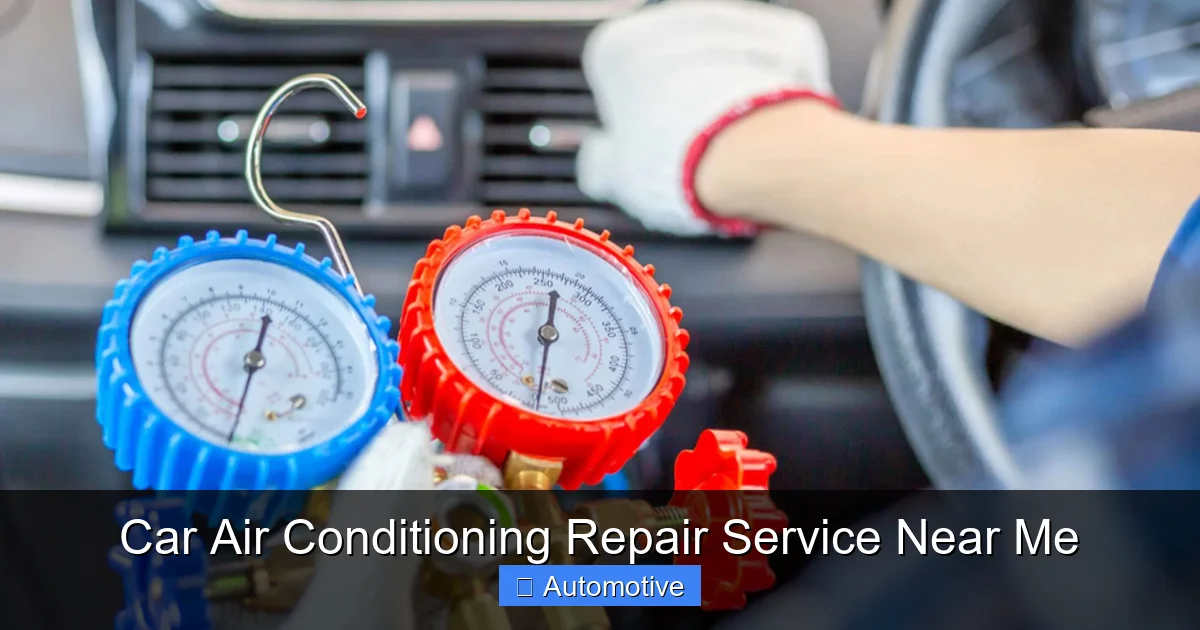
Visual guide about Car Air Conditioning Repair Service Near Me
Image source: images.airtasker.com
When you contact a shop, ask about their experience with your vehicle’s make and model. A reliable car air conditioning repair service near me will provide a detailed estimate before beginning work and will explain any necessary repairs in plain language. For a fresh scent after service, you might also consider a quality air freshener; see our review of the best car air fresheners for new car scent to keep your cabin smelling pleasant.
Don’t forget to inquire about warranties. A reputable shop typically offers a warranty on parts and labor, giving you peace of mind if a problem reoccurs. Finally, compare quotes from multiple providers, but be wary of prices that seem too good to be true, as they may indicate subpar parts or workmanship.
What to Expect During the Repair
Once you’ve selected a service provider, the repair process usually follows these steps:
Diagnostic Phase
The technician will connect a diagnostic tool to your vehicle’s AC system to read pressure levels and identify any error codes. This helps pinpoint the exact cause of the malfunction.
Repair Plan
Based on the diagnosis, the shop will present a repair plan outlining the required parts, labor time, and estimated cost. You’ll have the opportunity to approve the work before it begins.
Execution
Common repairs include recharging refrigerant, replacing the compressor, swapping out the expansion valve, or cleaning the evaporator. If a cabin air filter is clogged, it will be replaced; for optimal air quality, consider the best car cabin air filters for clean air quality and comfort.
Post‑Repair Testing
After the repair, the technician will run the AC system to verify that it produces cold air and operates quietly. They may also check for leaks using a UV dye or electronic leak detector.
Cost Factors and How to Save Money
The price of an AC repair can vary widely based on several factors. Understanding these variables helps you budget appropriately and avoid surprises. The cost of a car air conditioning repair service near me can vary, but knowing what influences the price can help you plan.
Parts and Labor
High‑end vehicles often require OEM (original equipment manufacturer) parts, which are more expensive than aftermarket alternatives. Labor rates also differ by region and shop, with dealership rates typically higher than independent garages.
Extent of Damage
A simple recharge might cost $100, while a compressor replacement can exceed $800. If the system has multiple leaks, the price can increase further.
Additional Services
Some shops bundle services, such as a cabin air filter replacement or system flush, which can add to the total but may improve overall performance.
Tips to Reduce Expenses
- Address minor issues early before they escalate.
- Ask about seasonal discounts or promotional offers.
- Consider a maintenance plan that includes regular inspections.
- Compare quotes from at least three reputable shops.
Maintenance Tips to Keep AC Running Cool
Proper care can extend the life of your AC system and reduce the frequency of repairs. Here are some practical habits to adopt:
- Run the AC for at least 10 minutes each week, even in winter, to keep the compressor lubricated.
- Replace the cabin air filter every 12,000–15,000 miles or as recommended in your owner’s manual.
- Keep the exterior condenser clean by gently rinsing off debris with a hose.
- Avoid setting the AC to maximum cold immediately; let the engine reach operating temperature first.
- Listen for unusual noises and address them promptly.
By following these steps, you can help ensure that your vehicle’s climate control remains reliable throughout the hottest months.
Conclusion
Dealing with a broken car air conditioning system is never fun, but knowing the common symptoms, causes, and repair options can make the process less stressful. Finding a trustworthy car air conditioning repair service near me ensures your AC stays reliable. Whether you choose to perform basic checks yourself or rely on a certified technician, the key is to act early and select a service provider you trust. With the right information and a proactive approach, you’ll be back to enjoying cool, comfortable drives in no time.
Frequently Asked Questions
How much does it typically cost to repair a car AC?
The price varies based on the issue; a simple recharge may cost around $100, while a compressor replacement can exceed $800. Getting multiple quotes helps you find a fair price.
Can I recharge my car AC myself?
You can purchase a DIY recharge kit, but handling refrigerant requires proper certification and equipment. For safety and to avoid damaging the system, it’s best to let a professional handle it.
How long does a typical AC repair take?
Most repairs can be completed within one to two hours, though more complex jobs like compressor replacement may take longer. The shop will provide an estimated time before work begins.
What causes an AC to blow warm air?
Warm airflow is often due to low refrigerant, a blocked condenser, or a faulty compressor. A diagnostic check can identify the exact cause and recommend the appropriate repair.
Is it safe to drive with a broken AC?
Driving without AC is safe, but it can be uncomfortable in hot weather. If the AC failure is accompanied by engine overheating, stop driving immediately to prevent damage.
How often should I have my car AC serviced?
It’s recommended to have your AC system inspected at least once a year, ideally before the summer season, to ensure it operates efficiently and to catch small issues early.