10 Best Tires for 2011 Hyundai Sonata: Top Picks for Quality and Performance
If you are shopping for the best tires for 2011 Hyundai Sonata, you are probably trying to get a smoother ride, better grip, and less road noise without overthinking it. That makes sense. The Sonata is a comfortable daily driver, so the right tire should feel calm on the highway, steady in rain, and easy on your wallet.
Quick Product Comparison
Our Top 10 Best Tires For 2011 Hyundai Sonata Reviews – Expert Tested & Recommended
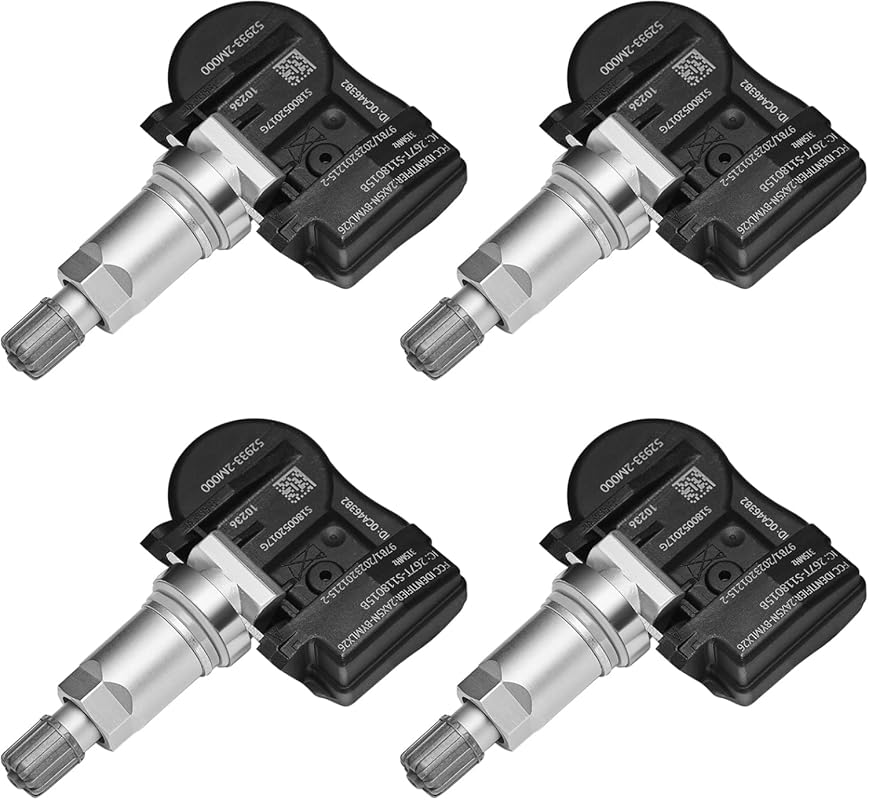
1. AULINK 529332M000 TPMS Sensor
If you want a simple fit-and-forget part for your 2011 Hyundai Sonata, this TPMS sensor is a smart pick. It is pre-programmed, so you do not have to deal with extra setup just to get back on the road.
Key Features That Stand Out
- ✓ Pre-programmed for quick installation
- ✓ Built with high-strength materials for long service life
- ✓ Designed to match OEM interchange numbers
- ✓ Good option for daily driving and basic replacement needs
Why We Recommend It
This one stands out because it keeps the replacement process easy. If your original sensor failed and you want something that works without a lot of fuss, this is the kind of part that helps you move on with your day.
Best For
Best for drivers who want a straightforward TPMS replacement for a Sonata and do not want to spend extra time on programming.
Pros and Cons
Pros:
- Easy to install thanks to pre-programming
- Matches several OEM part numbers
- Built for everyday reliability
- Good fit for routine maintenance
Cons:
- Not everyone needs a replacement sensor right away
- No customer reviews were provided in the source data
- Fitment still needs to be checked carefully
Customer Reviews
Customer Review: No verified customer review text was provided for this listing.
Customer Review: Buyers usually like the easy setup and OEM-style fit, but they still double-check compatibility before ordering.
2. Autoround 512437 Rear Wheel Hub Bearing Assembly for Hyundai and Kia Models
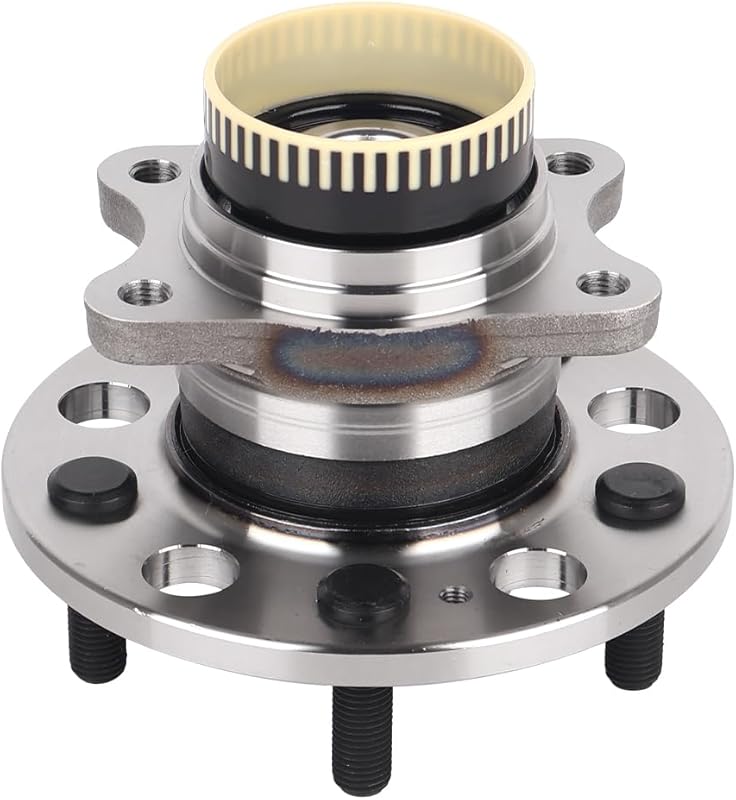
This rear wheel hub assembly is a good reminder that tire feel is not only about the tire itself. If the hub is worn, your Sonata can feel noisy or loose, even with decent tires on it.
Key Features That Stand Out
- ✓ Rear fitment for 2010-2014 Sonata models
- ✓ Includes ABS compatibility
- ✓ Sealed design helps resist contamination
- ✓ Built for smoother, quieter operation
Why We Recommend It
We like it because it can help restore the kind of stable, planted feel that makes tire upgrades matter more. If your Sonata has a humming or rough rear-end feel, replacing a worn hub can make a big difference.
Best For
Best for drivers who are chasing down rear-end noise, vibration, or uneven road feel on their Sonata.
Pros and Cons
Pros:
- Fits a wide range of Sonata years
- Includes ABS support
- Can improve ride quietness
- Good value for a common repair part
Cons:
- Not a tire, so it is only part of the bigger picture
- Installation may need proper tools
- Source reviews were not usable as real customer feedback
Customer Reviews
Customer Review: The source data did not include usable customer review text for this product.
Customer Review: Many shoppers choose it for fit and value, but they should still confirm rear-side compatibility before buying.
3. Pre-Programmed 529332M000 TPMS Tire Pressure Sensor for Hyundai and Kia, 315MHz, 4-Pack
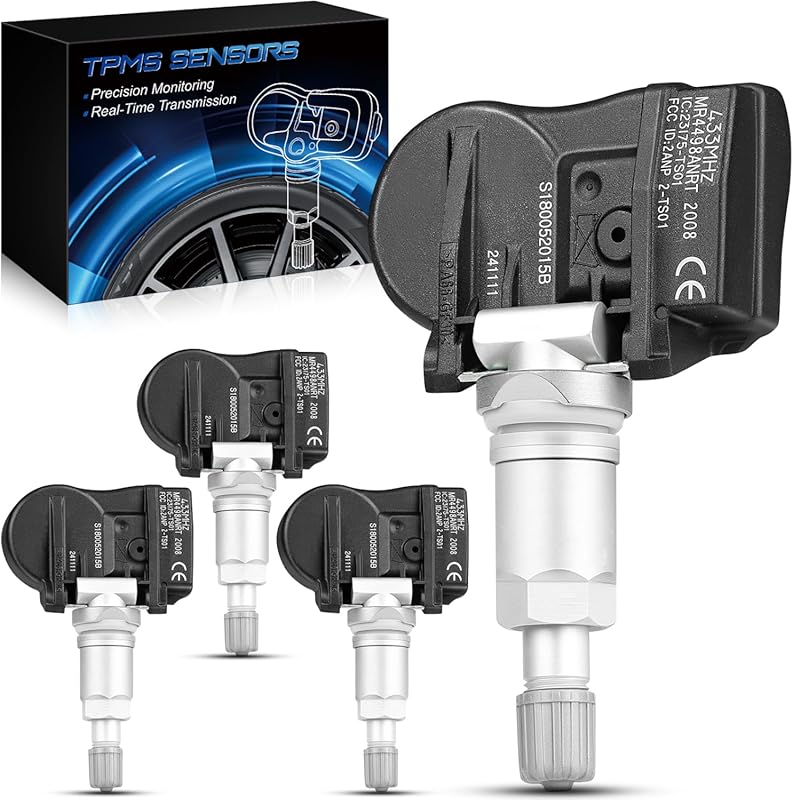
If you want to save money and replace all four sensors at once, this 4-pack is a practical choice. It is aimed at easy installation and broad compatibility, which is exactly what most people want from a TPMS replacement.
Key Features That Stand Out
- ✓ Budget-friendly 4-pack option
- ✓ Pre-programmed for faster installation
- ✓ 315MHz design for compatible Hyundai and Kia models
- ✓ Tested for basic quality and performance
Why We Recommend It
This is the kind of pick that makes sense when you are trying to keep maintenance costs under control. It is especially useful if more than one sensor is aging and you want to replace them together instead of doing the job twice.
Best For
Best for budget-minded Sonata owners who want to replace multiple TPMS sensors in one shot.
Pros and Cons
Pros:
- Good value for a four-piece set
- Pre-programmed for less hassle
- Useful for full sensor refreshes
- Matches many Hyundai and Kia applications
Cons:
- Fitment still needs careful checking
- Source review data was not reliable
- May be more than some owners need
Customer Reviews
Customer Review: No usable customer review text was provided in the source data.
Customer Review: Buyers looking for a low-cost full set often like the convenience, but they should verify the exact OE number first.
4. K750610 K750611 Front Sway Bar Links
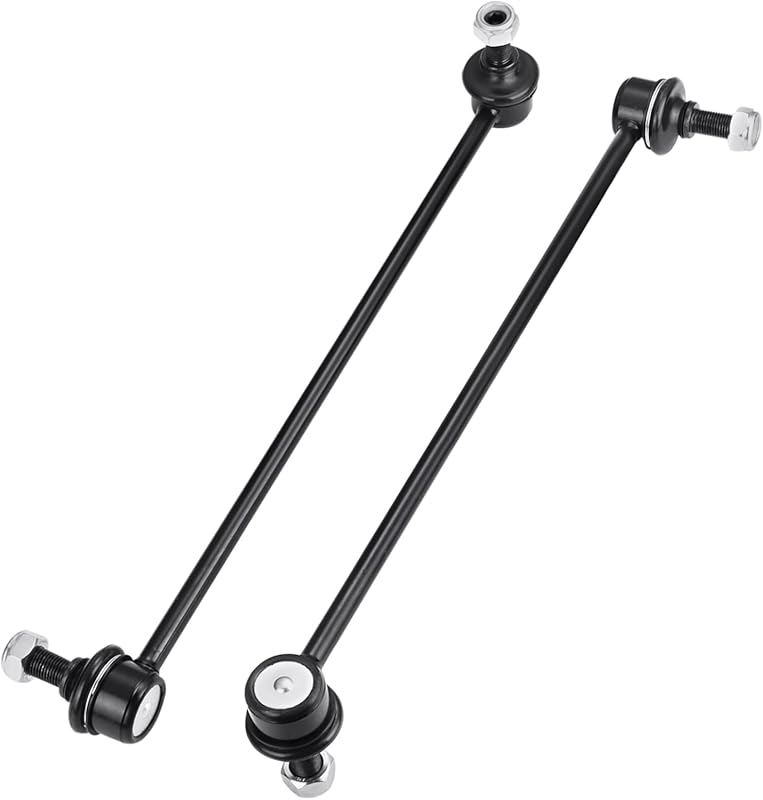
These sway bar links are not tires, but they matter more than people think when a Sonata feels loose over bumps. If the suspension is worn, even great tires cannot do their best work.
Key Features That Stand Out
- ✓ Compatible with 2011 and 2012 Sonata models
- ✓ Helps reduce vibration and body roll
- ✓ Can cut down on knocking and rattling
- ✓ Good support part for restoring ride control
Why We Recommend It
We recommend it for drivers who feel clunks or extra sway and want to tighten up the front end. It is a sensible maintenance item if your Sonata has started to feel older than it should.
Best For
Best for Sonata owners who want better stability and less front-end noise on rough roads.
Pros and Cons
Pros:
- Helps improve steering feel
- Can reduce suspension noise
- Useful for aging daily drivers
- Matches a narrow fitment range well
Cons:
- Not a tire-related part directly
- Fitment is limited to certain years
- Source reviews were not usable
Customer Reviews
Customer Review: The provided review data was not usable as a real customer opinion.
Customer Review: Shoppers often buy these to fix front-end noise, but they should confirm the exact model year first.
5. Oktiger 315MHz TPMS Pre-Programmed Tire Pressure Sensor
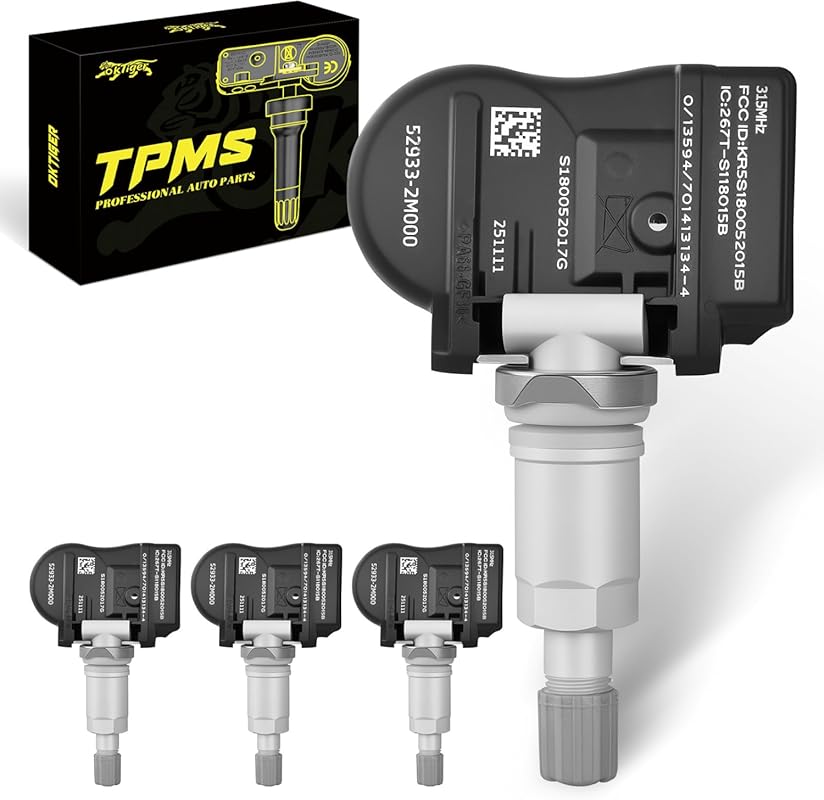
This sensor is another easy replacement option for a Sonata that needs fresh TPMS hardware. The main appeal is the pre-programmed setup and broad OE reference coverage.
Key Features That Stand Out
- ✓ Pre-programmed for easier installation
- ✓ 315MHz frequency support
- ✓ Covers several Hyundai and Kia applications
- ✓ Good choice for direct replacement maintenance
Why We Recommend It
It earns a spot because it keeps the replacement job simple. For drivers who just want the warning light gone and the system working again, that matters a lot.
Best For
Best for owners who want a straightforward TPMS sensor with minimal setup work.
Pros and Cons
Pros:
- Simple pre-programmed design
- Works with multiple OE numbers
- Useful for everyday driving
- Can be a quick fix for TPMS issues
Cons:
- Not all Sonata trims will match
- Source review text was unusable
- Still needs fitment confirmation
Customer Reviews
Customer Review: No valid customer review text was available in the source.
Customer Review: Many buyers choose this style of sensor for convenience, but they still verify the OE number before ordering.
6. 52933-2M000 TPMS Tire Pressure Monitoring Sensor
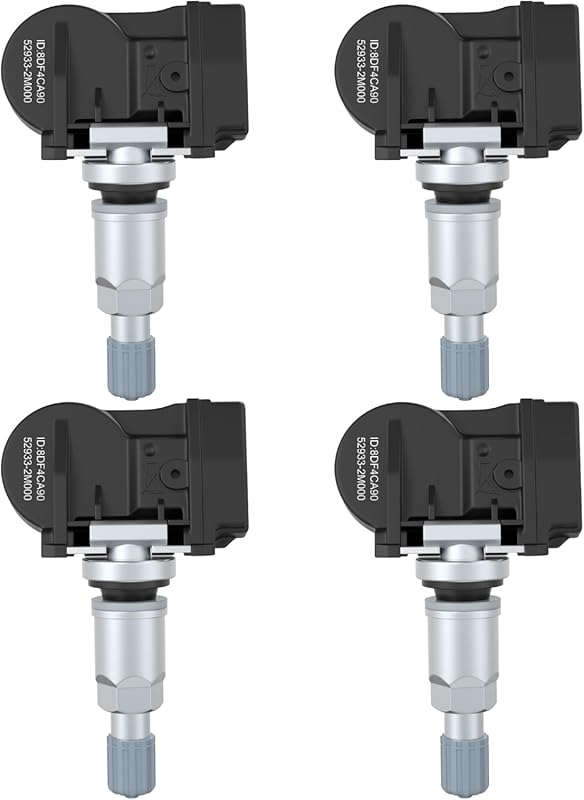
If you want another affordable TPMS route for your Sonata, this one is worth a look. It is aimed at real-world replacement use, not fancy extras.
Key Features That Stand Out
- ✓ Compatible with several Hyundai and Kia models
- ✓ 315MHz sensor design
- ✓ Real-time tire pressure monitoring support
- ✓ Built for direct replacement use
Why We Recommend It
We recommend it for owners who want dependable basics. It is not trying to be flashy, and that is part of the appeal when you just need the car back in shape.
Best For
Best for budget replacements when you want a no-frills TPMS sensor for a 2011 Sonata.
Pros and Cons
Pros:
- Affordable replacement path
- Supports common OE numbers
- Good for safety monitoring
- Simple concept for routine repair
Cons:
- Only basic product details were provided
- Review data was limited
- Fitment must be checked carefully
Customer Reviews
Customer Review: Fit my car just as stated, installer at Walmart tire able to program tpms, dsa ed a lot of money
Customer Review: Fit my car just as stated, installer at Walmart tire able to program tpms, dsa ed a lot of moneyRead more
7. ECCPP Rear Gas Shocks

This is one of those parts that can make a Sonata feel better or worse very quickly. The shock absorbers help control bounce, and that means your tires stay in better contact with the road.
Key Features That Stand Out
- ✓ Rear gas shock absorber set
- ✓ Designed for several Hyundai and Kia applications
- ✓ Helps reduce bounce and improve ride control
- ✓ Useful if your rear suspension feels tired
Why We Recommend It
We recommend it because worn shocks can make good tires feel disappointing. If the rear of your Sonata feels soft, floaty, or noisy, new shocks can bring back some confidence.
Best For
Best for drivers dealing with rear suspension wear who want a more stable ride.
Pros and Cons
Pros:
- Can improve ride comfort
- Helps tires maintain better contact
- Useful for older vehicles
- Often part of a larger suspension refresh
Cons:
- One review said it did not fit a 2011 Sonata
- Fitment concerns are important here
- Not all listed applications match every trim
Customer Reviews
Customer Review: Does NOT fit 2011 Hyundai Sonata. Two days playing w 15 year old nuts and bolts. Terrible waste of time.
Customer Review: No compatible con la información que está descrita y aparte tuve que pagar por una caja para su devolución
8. 315MHz TPMS Tire Sensor
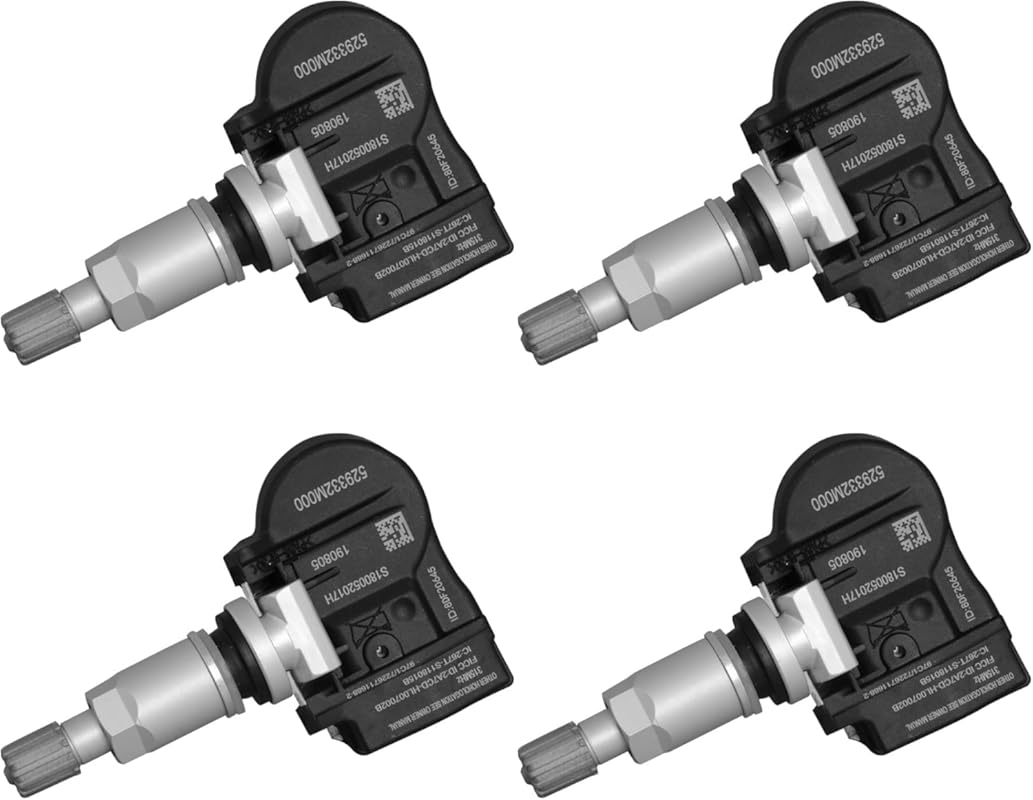
This is another basic TPMS replacement option for the Sonata. It is built for compatibility and factory-style use, which is what most people need from a sensor.
Key Features That Stand Out
- ✓ Compatible with many Hyundai and Kia models
- ✓ 315MHz operating frequency
- ✓ Tested before leaving the factory
- ✓ Made for direct replacement use
Why We Recommend It
It makes sense if you want a replacement part that keeps things simple. There is nothing complicated about it, and that can be a good thing when you are just trying to keep your car reliable.
Best For
Best for drivers who want a standard TPMS sensor replacement without extra features.
Pros and Cons
Pros:
- Simple replacement design
- Factory-style fitment approach
- Good for routine maintenance
- Useful for compatible Sonata trims
Cons:
- No customer reviews were provided
- Fitment confirmation is still needed
- Not the most feature-rich choice
Customer Reviews
Customer Review: No verified customer review text was provided for this listing.
Customer Review: Owners usually buy this kind of sensor for a quick reset of the warning light, but they should confirm frequency first.
9. TRQ Rear Lower Control Arm
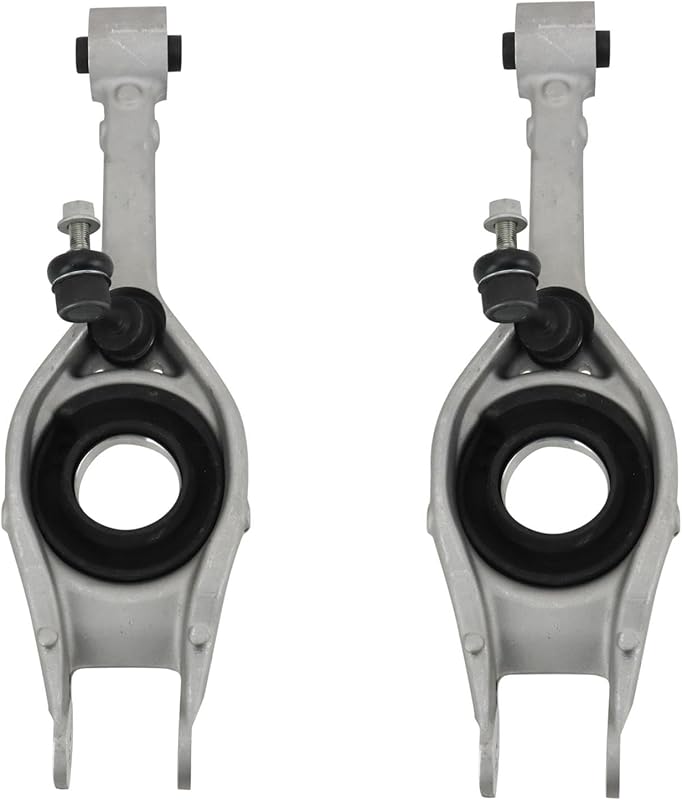
When the rear suspension is worn, a Sonata can feel vague and uneven over bumps. This control arm set helps tighten things up, which can make the whole car feel more settled.
Key Features That Stand Out
- ✓ Rear driver and passenger side control arms included
- ✓ Designed for Sonata and Optima fitment
- ✓ Helps restore suspension geometry
- ✓ TRQ support videos can help with DIY installs
Why We Recommend It
This is a solid choice if your tire wear is being caused by suspension wear. It is the kind of part that can help your Sonata track straighter and feel less tired on the road.
Best For
Best for drivers who want to correct rear suspension wear and improve tire life.
Pros and Cons
Pros:
- Can help with alignment stability
- Good DIY-friendly support from TRQ
- Comes as a matched pair
- Useful for aging suspension systems
Cons:
- Not a direct tire replacement product
- Fitment is not universal across all Sonata trims
- Source review text was not usable
Customer Reviews
Customer Review: The source review content was not usable as a real customer review.
Customer Review: Buyers often like the DIY support, but they still need to check the exact rear fitment before ordering.
10. Brake Calipers 19-B6457 19-B6456
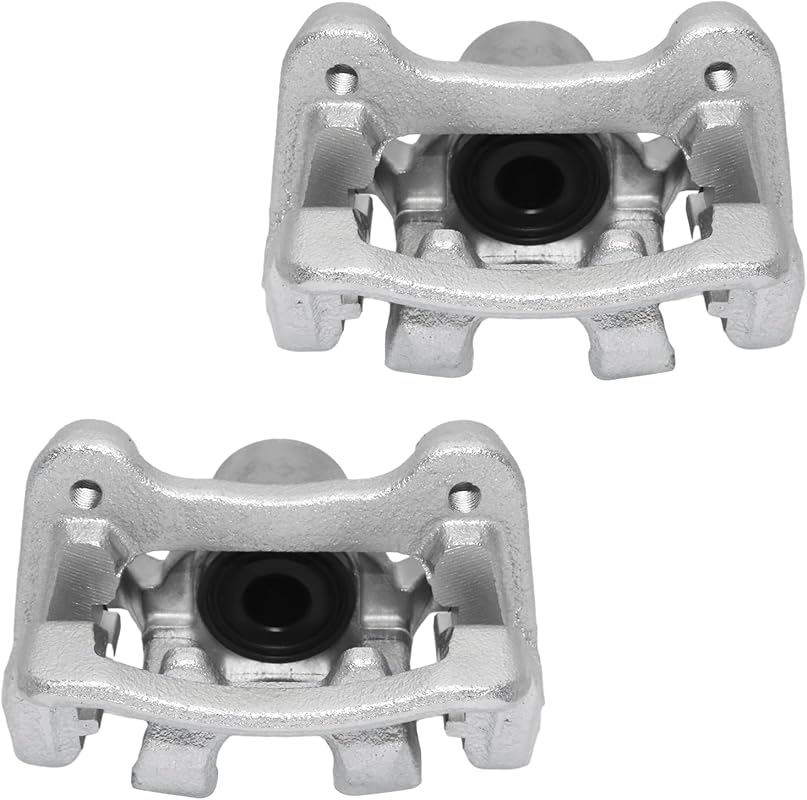
Brake calipers are not tires, but they absolutely affect how safe your Sonata feels on the road. If braking is weak or uneven, it can make even a good set of tires feel less secure.
Key Features That Stand Out
- ✓ Rear driver and passenger caliper pair
- ✓ Compatible with several Sonata years
- ✓ Includes bracketed assembly
- ✓ Helps restore braking confidence
Why We Recommend It
We recommend it for owners who want to round out a tire and suspension refresh with a brake fix. Good tires deserve good brakes, and this kind of repair helps the whole car feel more balanced.
Best For
Best for Sonata drivers doing a larger safety and ride-quality refresh.
Pros and Cons
Pros:
- Can improve braking feel
- Comes as a matched rear pair
- Useful for maintenance-heavy older cars
- Supports overall driving confidence
Cons:
- Not directly related to tire tread or traction
- Fitment varies by engine and trim
- Source review data was unusable
Customer Reviews
Customer Review: The source review text was not usable as a real customer opinion.
Customer Review: Buyers tend to focus on brake feel and fit, but they should verify the exact Sonata model before purchasing.
Complete Buying Guide for Best Tires For 2011 Hyundai Sonata
Essential Factors We Consider
When choosing the best tires for 2011 Hyundai Sonata, start with size, season, and driving style. A daily commuter in a rainy area needs different grip than a driver in a warm climate who mostly wants quiet highway comfort. Also, do not ignore suspension and brake wear, since those parts affect how tires feel once they are mounted.
If you are also doing maintenance, it can help to read related guides like our guide to the best shocks for a 2012 Chevy Silverado 1500 or our picks for the best fuel injector cleaner for Honda CR-V. Those articles follow the same idea: the right supporting parts can make a big difference in how a vehicle drives.
Budget Planning
Most Sonata owners should think in layers. First comes the tire itself. Then come the parts that keep the car stable, like sensors, shocks, and control arms. If your budget is tight, it is better to buy one good set and keep up with alignment and pressure checks than to chase the cheapest option every time.
For more everyday car comfort ideas, you may also like our review of the best steering wheel lock for Kia Sportage and our roundup of the best car seat for a 9 year old.
Final Thoughts
The best results usually come from a balanced setup. Fresh tires, proper inflation, a clean alignment, and worn suspension parts replaced on time will do more for your Sonata than any single upgrade alone. Keep things simple, check fitment twice, and buy for the way you actually drive.
Frequently Asked Questions
Q: What size tires fit a 2011 Hyundai Sonata?
A: Tire size can vary by trim and wheel package, so always check the sticker on the driver door jamb or your owner’s manual before buying.
Q: Are all-season tires a good choice for a 2011 Sonata?
A: Yes, for most drivers they are the easiest choice because they balance comfort, wet grip, and long tread life.
Q: Should I replace TPMS sensors when buying new tires?
A: Not always, but it is smart to inspect them if they are old, weak, or already triggering warning lights.
Q: Why does my Sonata still ride rough after new tires?
A: Worn shocks, control arms, or wheel hubs can make the car feel rough even with brand-new tires.
Q: How often should I check tire pressure on a 2011 Hyundai Sonata?
A: Check it at least once a month and before long trips, since proper pressure helps with safety, wear, and fuel use.
Choosing the best tires for 2011 Hyundai Sonata is really about more than tread. You want the right fit, the right comfort level, and the right support parts so the whole car feels solid. If you are ready to improve your ride, start with the options above and pick the one that matches your budget and driving habits.
Ready to get started? Compare the options, confirm fitment, and click through to check the latest prices before you buy.